
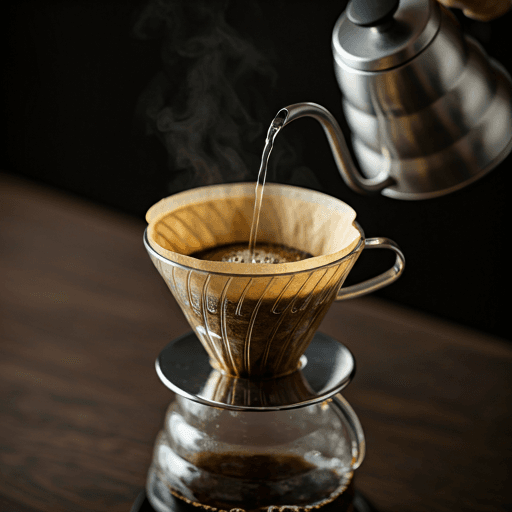
A french press is one of the simplest ways to brew genuinely good coffee at home: you steep coarse grounds in hot water, then push a mesh plunger down to separate the liquid from the grounds. No paper filter, no electricity, no barista skills. Get the ratio, grind and timing right and you get a rich, full-bodied cup in about four minutes. This guide walks through the whole method, step by step, plus the small fixes that turn a muddy brew into a clean, satisfying one.
What a french press is and why it works
A french press (also called a press pot, cafetiere or plunger pot) is a tall cylinder, usually glass or stainless steel, with a lid and a plunger fitted with a fine metal mesh screen. You add coffee grounds and hot water, let them steep together, then press the plunger down to trap the grounds at the bottom while you pour the coffee off the top.
The reason it tastes the way it does comes down to the metal filter. Unlike a paper filter, metal mesh lets the coffee's natural oils and a little fine sediment pass straight into your cup. Those oils carry body and texture, which is why french press coffee feels heavier and more rounded than a clean pour-over. It is full immersion brewing: every ground sits in the water for the whole steep, so extraction is even and forgiving. That forgiveness is exactly why a french press coffee maker is such a great place to start.
The gear you need
- A french press in a size that suits you (a 3-cup makes one large mug; an 8-cup serves a few people).
- Fresh coffee beans and a grinder. A burr coffee grinder gives the even, coarse grind this method depends on.
- A kettle. A variable-temperature electric kettle helps, but any kettle works if you let the water rest after boiling.
- A kitchen scale, ideally. Weighing coffee and water is the single biggest upgrade to consistency.
- A timer (your phone is fine) and a wooden or plastic spoon for stirring.
The french press recipe: ratio, grind, time
You can memorise the whole thing in one line: coarse grind, a 1:15 ratio of coffee to water, four minutes, then plunge and pour. Here are the numbers most roasters and brewers settle on.
| Variable | Target | Notes |
|---|---|---|
| Ratio | 1:15 (e.g. 30 g coffee to 450 ml water) | Use 1:14 for stronger, 1:17 for milder. |
| Grind | Coarse, like sea salt or breadcrumbs | Distinct particles, never powdery. |
| Water temperature | About 90-96 C (195-205 F) | Roughly 30 seconds off a rolling boil. |
| Steep time | 4 minutes total | The classic baseline; adjust to taste. |
If you do not have a scale, a rough guide is about two level tablespoons of grounds per 240 ml (8 oz) of water. A scale is better, but this gets you close while you are learning.
Why grind size matters so much
Grind is where most people go wrong. A french press filter is metal mesh, so it cannot trap small particles. Grind too fine and the "fines" slip through, leaving sludge in your cup and an over-extracted, bitter taste. A coarse, even grind keeps sediment down and extraction balanced. This is also why a quality burr grinder beats a blade grinder, which produces an uneven mix of dust and chunks. If you buy pre-ground coffee, ask for a coarse french press grind, or pick beans suited to immersion brewing, like the medium and dark roasts covered in our guide to the best coffee for drip and french press.
How to brew, step by step
- Heat your water and warm the press. Bring water to a boil, then let it sit for around 30 seconds. Pour a little hot water into the empty press to warm the glass, then tip it out.
- Add the coffee. Grind your beans coarse and add them to the press. For a single large mug, 30 g of coffee to 450 ml of water is a reliable starting point.
- Bloom. Start your timer and pour just enough water to soak all the grounds, roughly twice their weight. Wait 30 seconds. Fresh coffee will puff up and release trapped carbon dioxide. This "bloom" lets the rest of the water extract evenly.
- Pour the rest and stir. Add the remaining water, pouring steadily so every ground is wet. Give it a gentle stir with a wooden or plastic spoon to knock down any dry clumps. Avoid metal, which can scratch glass.
- Place the lid and wait. Set the lid on with the plunger pulled all the way up, so it traps heat without pressing yet. Let it steep until the timer hits 4 minutes total.
- Break the crust (optional but worth it). At four minutes a crust of grounds floats on top. Stir it gently so the grounds sink. Skim off any foam and floating bits with a spoon if you want an even cleaner cup.
- Plunge slowly. Press the plunger down with steady, gentle pressure. If it feels hard to push, your grind is too fine; if it drops with no resistance, it is too coarse. Stop when you meet the bed of grounds. Pressing too hard stirs up sediment and muddies the cup.
- Decant immediately. Pour all of the coffee out straight away, into a mug or a separate carafe. This is the step people skip and regret.
The one mistake to avoid: don't let it sit
Coffee keeps extracting as long as it touches the grounds. Leave a brewed press standing and the liquid below the plunger goes on pulling bitterness out of the bed. A cup left in the press can taste noticeably harsher within five to ten minutes. If you are not drinking it all at once, pour the whole batch into a warmed carafe or thermal flask the moment you finish plunging. Your second cup will thank you.
Quick troubleshooting
- Bitter or harsh? Grind coarser, shorten the steep, or cool your water slightly. Make sure you decanted right away.
- Weak or sour? Grind a touch finer, steep a little longer, or use slightly more coffee.
- Too much sludge? Your grind is too fine or uneven. Coarsen up and consider a better grinder.
- Goes cold fast? Pre-warm the press and your mug, and use a stainless steel press, which holds heat better than glass.
Choosing a french press and keeping it clean
French press coffee makers come in glass, stainless steel and ceramic. Glass shows off the brew and is easy to find, but it is fragile and loses heat quickly. Stainless steel is durable, keeps coffee hotter and travels well, though you cannot see inside. Double-walled options of either material hold temperature best. The best french press for you is simply one that matches your batch size, since brewing far below a press's capacity makes it harder to hit your ratio.
When shopping, look past marketing claims about the "best coffee press." What actually matters is a sturdy plunger, a fine mesh screen (some include a secondary finer filter to cut sediment), and a frame that comes apart for cleaning. Many french press coffee makers let you unscrew the filter assembly so you can rinse out trapped grounds.
Cleaning is straightforward: scoop or tip out the spent grounds (compost them or use them in the garden rather than down the drain, where they can clog pipes), then rinse the parts. Every week or two, take the plunger apart and wash the screen properly so old coffee oils do not turn rancid and dull your next brew.
Where the french press fits among brewing methods
The french press shines when you want body, ease and a hands-off brew you can scale up for a group. If you prefer a cleaner, brighter cup with more clarity, a pour-over suits you better. Our guide to brewing with a V60 covers that style, where a paper filter strips out the oils a press leaves in. Both are worth owning: the press for a rich, easy morning pot, the V60 for the days you want to taste every nuance of a single-origin bean. Either way, the fundamentals hold: fresh beans, the right grind, good water, and not letting the coffee over-extract.
Once your french press routine is dialled in, the natural next step is better beans and a better grind. Start there, taste the difference, and keep exploring our coffee guides for the rest of the brewing world.