
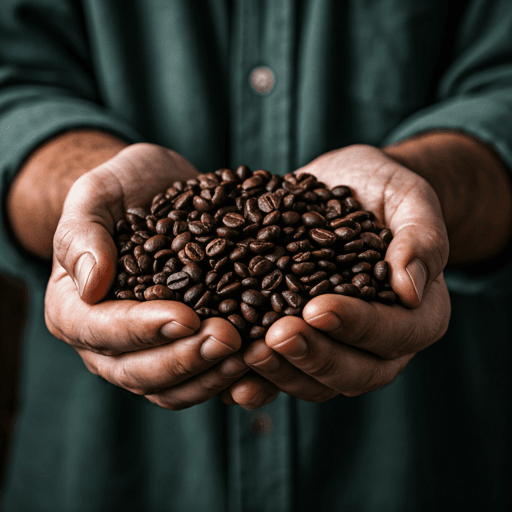
The best coffee for a drip coffee maker is a fresh, medium-roast bean ground to a medium, sand-like consistency. The best coffee for a French press is the same quality bean taken a touch bolder and ground coarse, like coarse sea salt. The machine matters less than three things you control: the beans, the grind, and the ratio. Get those right and a humble brewer will outperform expensive coffee made carelessly.
This guide explains what to buy and how to dial it in for both methods. It is deliberately not a list of products with prices. Beans, roasters, and what is on the shelf vary hugely by country and season, so we focus on the qualities to look for rather than naming a "best" bag.
What to look for in coffee for a drip coffee maker
Coffee for a drip coffee maker should suit an automatic, hands-off brew. Drip machines pour hot water over a flat or cone-shaped bed of grounds and let gravity do the work in roughly four to six minutes. That is a forgiving, middle-of-the-road extraction, which is why a balanced bean shines.
Roast level
A medium roast is the safe, rewarding default for drip. It keeps enough origin character (fruit, nuts, caramel, cocoa) without the ashy edge a very dark roast can pick up in a long, even brew. Light roasts can taste thin or sour in a basic machine because drip water temperature and contact time are not always high enough to extract them fully. Dark roasts work too if you like a bolder, smoky cup; just expect less nuance.
Grind size for drip
Ground coffee for drip wants a medium grind, roughly the texture of beach sand. Too fine and the bed clogs, water backs up, and the cup turns bitter and over-extracted. Too coarse and water rushes through, leaving a weak, watery brew that tastes like "brown water." If your drip coffee is consistently flat, grinding a little finer is usually the fix; if it is harsh, go slightly coarser.
Whole bean vs pre-ground
Whole beans ground just before brewing beat pre-ground every time, because coffee goes stale fast once the surface area explodes into thousands of particles. If you buy ground coffee for drip, buy small amounts, keep it sealed and away from heat and light, and use it quickly. A burr grinder at home gives you the even, medium grind drip machines love. See our guide to grinding coffee beans at home for the how.
What to look for in coffee for a French press
French press is an immersion method: grounds steep in hot water for about four minutes, then a mesh plunger pushes them down. Because the grounds soak fully and the metal filter lets oils through, the cup is heavier, richer, and more textured than drip. The coffee you choose should lean into that.
Roast level
Medium to medium-dark roasts are the classic French press choice. The full-immersion brew pulls out body and the natural oils a darker roast carries, giving you that thick, syrupy mouthfeel the method is famous for. Bold, chocolatey, nutty profiles tend to suit it. Light roasts can be done well in a press, but they reward more care and a precise grind.
Grind size for French press
Coffee for French press should be ground coarse, like coarse sea salt or coarsely cracked pepper. A coarse grind matters for two reasons. First, the metal mesh cannot hold back fine particles, so a fine grind leaves you chewing sludge and over-extracted bitterness. Second, the long four-minute steep needs larger particles to keep extraction in balance. If your press coffee is muddy or bitter, grind coarser; if it is weak, grind a little finer or steep slightly longer.
Drip vs French press: coffee at a glance
Here is a side-by-side of what each method wants. Treat ratios as starting points and adjust to taste.
| Factor | Drip coffee maker | French press |
|---|---|---|
| Grind size | Medium (beach sand) | Coarse (coarse sea salt) |
| Roast that shines | Medium | Medium to medium-dark |
| Brew style | Gravity drip, hands-off | Full immersion, plunge |
| Filter | Paper or fine mesh | Metal mesh (oils pass through) |
| Body / mouthfeel | Clean, lighter | Heavy, oily, textured |
| Brew time | ~4-6 minutes | ~4 minutes steep |
| Starting ratio | ~1:16 to 1:17 (coffee:water) | ~1:15 to 1:17 |
| Best for | Easy daily batches | Bold, full-flavoured single brews |
Notice how much overlap there is. The same medium-roast bag can feed both machines if you simply change the grind. That is the single most useful takeaway: one good coffee, two grinds.
Coffee-to-water ratio: the "golden" starting point
Strength comes mostly from ratio, not from grinding finer. The widely used "golden ratio" is around 1:16 to 1:17 by weight, meaning one gram of coffee for every 16 to 17 grams of water. A small kitchen scale makes this repeatable in a way scoops never will.
- Drip: Start near 1:16. Many machines run a little weak, so do not be shy about adding a touch more coffee if the cup tastes thin.
- French press: Start near 1:15 for a fuller cup. A 1:12 ratio gives a bold, intense brew; 1:15 is the balanced sweet spot for most people.
Once you find a ratio you like, keep it constant and change only one variable at a time (grind, then dose) when you tweak. That is how you actually learn your taste instead of guessing.
Freshness: the most overlooked factor
The best beans in the world taste flat if they are stale. Two timelines matter here.
Rest after roasting
Just-roasted coffee is full of carbon dioxide and brews unevenly. Most coffee hits its stride about 5 to 21 days after the roast date, with the sweet spot often beginning around days 5 to 10. Darker roasts degas faster than lighter ones. Look for a roast date on the bag, not just a far-off "best before."
How fast it fades
Once opened and especially once ground, coffee stales within days to weeks as oxygen, light, heat, and moisture take their toll. Buy whole beans in amounts you will finish in a couple of weeks, store them in an airtight container somewhere cool and dark, and grind just before brewing. This single habit improves both your drip pot and your press more than upgrading the machine would.
Single origin vs blend, arabica vs robusta
For both methods, the species and style of bean shape the cup more than the brand on the bag.
- Arabica is sweeter, more aromatic, and more complex; it is the default for quality coffee and a great choice for drip and press alike. Learn more in our explainer on arabica coffee beans.
- Robusta is bolder, more bitter, higher in caffeine, and adds a thick crema in espresso. A little robusta in a blend can boost body in a French press, though many drinkers prefer all-arabica for clean flavour. See arabica vs robusta compared.
- Single origin highlights one region's distinct character and is fun to explore, especially in a clean drip cup. Blends aim for consistency and balance, which suits a daily driver. Our coffee bean varieties guide goes deeper.
None of this is about price. A modest medium-roast arabica, fresh and well ground, beats a premium bag that has been sitting open for a month.
Quick troubleshooting
- Drip tastes weak or watery: grind slightly finer, add more coffee, or check the water is hot enough.
- Drip tastes bitter or harsh: grind coarser, use slightly less coffee, and descale the machine.
- French press is muddy or gritty: grind coarser and plunge slowly and gently.
- French press is sour or weak: use a touch more coffee, steep a little longer, or grind slightly finer.
- Both taste stale and flat: the beans are old. Check the roast date and store them better.
The short version
For a drip coffee maker, pick a fresh medium-roast arabica, grind it medium, and brew around 1:16. For a French press, take a similar bean medium to medium-dark, grind it coarse, and steep around 1:15 for four minutes. One quality coffee can serve both; the grind and ratio do the heavy lifting. If you want to go further on technique, our French press brewing guide walks through the full plunge method. Keep exploring, taste as you go, and let your own palate be the final judge.