
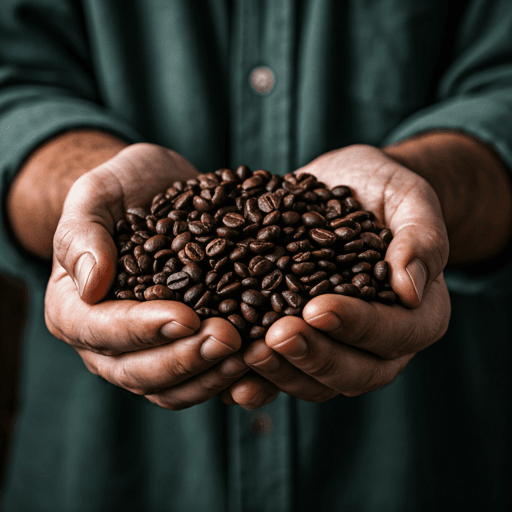
Arabica is the most widely grown coffee species in the world, and it is the bean behind most of the coffee people think of as "good coffee." Its full botanical name is Coffea arabica, and it is loved for a sweeter, smoother, more complex cup than its tougher cousin robusta. If a bag of beans simply says "100% arabica," that label is telling you the species, not the flavour, the roast or the quality.
This guide explains what arabica coffee actually is, how it tastes, where and how it grows, the famous arabica varieties, and how it stacks up against robusta. Think of it as the map you need before you start fussing over roast level, grind or brew method.
What is arabica?
Arabica is a species of coffee plant, Coffea arabica, native to the highland forests of Ethiopia and nearby parts of South Sudan. It is the original cultivated coffee, and humans have been brewing it for centuries. Today arabica coffee accounts for roughly 60 to 70 percent of all coffee grown worldwide, with robusta making up most of the rest.
When you see "arabica beans" on a bag, the seller is naming the botanical species inside. Almost all specialty coffee, single-origin lots and premium supermarket blends are arabica. The beans themselves tend to be slightly larger and more oval, often with a curved, S-shaped crease down the flat side.
One quirk worth knowing: arabica is unusual among coffee species because it is tetraploid (it carries four sets of chromosomes) and largely self-pollinating. It arose from a single natural cross between two other coffee species, Coffea canephora (the species we call robusta) and Coffea eugenioides, somewhere in the highlands of East Africa. That history matters, because it left arabica with a famously narrow genetic base, which is part of why the plant is more delicate than robusta.
How arabica coffee tastes
The reason people pay more for arabica is the cup. Compared with robusta, arabica coffee is sweeter, smoother and far more aromatic, with brighter acidity and a cleaner finish. Where robusta leans hard, woody and bitter, arabica tends toward:
- Sweetness — notes of caramel, brown sugar, chocolate and nuts.
- Fruit — anything from cherry, berry and stone fruit to citrus, depending on origin.
- Floral and aromatic tones — jasmine, bergamot and tea-like delicacy in the most prized lots.
- Pleasant acidity — the "brightness" or liveliness that makes a cup taste vivid rather than flat.
A big part of this comes from chemistry. Arabica beans carry almost twice the sugar and noticeably more lipids than robusta, plus a different acid balance, which gives the brew its rounder, sweeter character. The trade-off is body: robusta typically produces a heavier, more aggressive crema and punch, which is why many espresso blends still add a little robusta for thickness and a caffeine kick.
Where and how arabica grows
Arabica is a high-maintenance plant. It thrives in cool, subtropical highlands, usually between about 600 and 2,000 metres above sea level, where days are warm but not hot and nights are cool. It wants steady moisture, rich soil and a balance of sun and shade. That slow growth at altitude is exactly what lets the cherries develop the sugars and complex flavours arabica is famous for.
Because it is fussy, arabica is also fragile. It is sensitive to heat, drought and frost, and it is notably vulnerable to coffee leaf rust (a fungal disease called Hemileia vastatrix) as well as pests like the coffee berry borer. Its narrow genetic diversity means a single disease can sweep through plantings, which is one reason climate change is a serious threat to arabica-growing regions and a major focus of modern coffee breeding.
Arabica grows across a band of the tropics often called the "coffee belt." Major arabica origins include Ethiopia, Colombia, Brazil (the largest coffee producer overall), much of Central America, Kenya and other East African highlands, and high-altitude regions across Asia. Each origin and altitude leaves its own fingerprint on flavour, which is the whole point of single-origin coffee.
Arabica varieties worth knowing
"Arabica" is a species, not a single flavour. Underneath it sit hundreds of varieties (also called varietals or cultivars), each with its own taste, yield and hardiness. A few names show up again and again on specialty bags:
| Variety | Origin / background | Cup character |
|---|---|---|
| Typica | One of the two original arabica lineages | Sweet, clean, balanced; chocolate, nut and gentle fruit; low yield |
| Bourbon | Mutation of Typica, named for an island near Madagascar; parent of many varieties | Brown-sugar sweetness, cherry and stone fruit, round body |
| Caturra | Natural dwarf mutation of Bourbon, found in Brazil | Bright and lively, medium body; compact, high-yielding plant |
| Geisha (Gesha) | Ethiopian landrace, made famous in Panama | Intense florals, jasmine and bergamot, tea-like body; rare and pricey |
| SL28 | Selected in Kenya, many trees decades old | Vibrant blackcurrant and grapefruit brightness, syrupy body, drought tolerant |
You do not need to memorise these. But knowing that Geisha, Bourbon or SL28 sits behind a coffee helps you predict whether you are about to drink something floral and delicate or sweet and chocolatey. For the wider family of coffee plants and how arabica fits in, our coffee bean varieties guide goes deeper.
Arabica vs robusta at a glance
The single most useful comparison in coffee is arabica versus robusta, the two species that supply nearly all the coffee on Earth. Here is the short version:
| Arabica | Robusta | |
|---|---|---|
| Flavour | Sweeter, smoother, fruity, floral, bright | Stronger, more bitter, woody, earthy |
| Caffeine | Lower (roughly 1.2–1.5% by weight) | Higher (roughly 2.2–2.7%, about double arabica) |
| Body / crema | Lighter, more refined | Fuller, thicker crema |
| Growing altitude | High, cool highlands | Low to mid, hot lowlands |
| Hardiness | Delicate, disease-prone | Tough, pest- and heat-resistant |
| Typical use | Specialty, single-origin, premium blends | Instant coffee, espresso blends, value coffee |
| Relative cost | Generally higher | Generally lower |
Neither is "better" in every situation. Robusta's higher caffeine and thick crema make it valuable in espresso blends and instant coffee, while arabica's nuance makes it the choice for filter and single-origin drinking. For the full head-to-head, see our arabica vs robusta explainer.
Does "100% arabica" mean it is good coffee?
Not necessarily. "100% arabica" only tells you the species, and there is a huge quality range within arabica itself. A cheap, stale, over-roasted arabica can taste worse than a well-made robusta blend. What actually decides the cup is the whole chain: where the beans grew, the variety, how the cherries were processed, how fresh the beans are, the roast level, the grind and your brew.
In other words, "100% arabica" is a starting point, not a guarantee. Roast date, origin information and how the coffee was processed tell you far more. Whether you brew with a filter machine or a press, choosing fresh, well-roasted arabica and grinding it correctly will do more for your cup than the label ever will. Our guide to choosing coffee for drip and French press covers how to pick the right roast and grind for your method, and green vs roasted beans explained shows how raw beans become the ones you brew.
The bottom line on arabica
Arabica is the species behind the world's most prized coffees: sweeter, more aromatic and more complex than robusta, but also more delicate to grow. It rewards good altitude, careful farming and fresh roasting, and it spans everything from everyday blends to extraordinary lots like Geisha. Once you understand that "arabica" names a species with hundreds of varieties beneath it, coffee labels start to make a lot more sense. From here, dig into the different types of coffee beans or keep exploring on our coffee hub.