
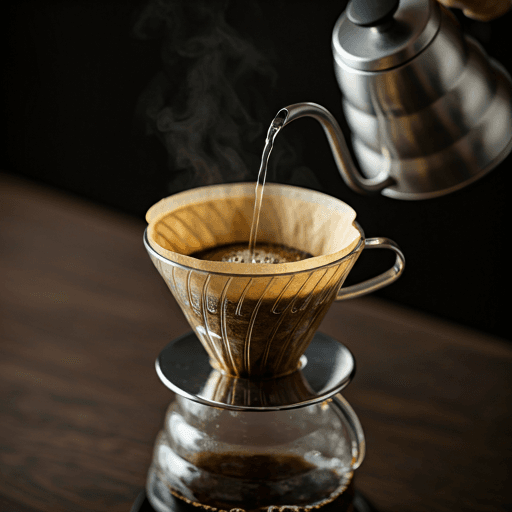
The core of the french press vs drip coffee question comes down to two things: the brewing method and the filter. A French press is a full-immersion brewer where coarse grounds steep in hot water and you press a metal plunger down to separate them, giving a rich, full-bodied cup with a little sediment. A drip coffee maker, by contrast, automatically showers heated water through a paper filter just once, producing a cleaner, lighter, and more consistent brew with almost no hands-on effort.
Neither is objectively "better" — they make genuinely different cups from the same beans. Below we break down how each one works, how they taste, and how to pick the one that fits your morning.
French press vs drip coffee: the short answer
If you want a heavier, oilier, more textured cup and don't mind a few minutes of manual work, a French press is your friend. If you want a lighter, cleaner cup that you can set up and walk away from — ideally by the potful — a drip machine wins. The method (full immersion versus a single gravity pass) and the filter (metal mesh versus paper) explain almost every difference in taste, body, and convenience you'll notice. Everything else in this comparison flows from those two design choices.
What a French press is
A French press — also called a cafetière or press pot — is an immersion brewer: coarse grounds sit directly in hot water and steep, usually for around four minutes, before you push a metal-mesh plunger to the bottom to trap the grounds and pour off the coffee. Because the mesh has relatively large holes, it lets the coffee's natural oils and some fine particles pass into the cup, which is exactly what gives a French press its signature full body and slightly textured, sediment-rich finish.
It needs no electricity and no paper filters — just hot water, ground coffee, and a few minutes of attention. We won't rehash the full brewing routine here; for step-by-step ratios and timing, see our dedicated French press guide. The headline is simply that you, not a machine, control the steep from start to finish.
What drip coffee is
Drip coffee is made by an automatic machine that heats water and drips it over a bed of medium-ground coffee held in a paper (or reusable) filter, letting gravity pull the brewed coffee through into a carafe below in a single pass. You add water and grounds, press a button, and the machine handles temperature, flow, and timing for you. The paper filter catches oils and fine sediment, so the cup lands cleaner and brighter than one from a press.
This "set it and forget it" character is what makes drip the default in so many homes and offices. For a fuller definition of the style, see what drip coffee is, and for the machines themselves, our drip coffee maker guide walks through the options.
The key difference: immersion and metal vs a single pass and paper
Strip away the details and the difference between French press and drip comes down to two choices:
- How the water meets the coffee. A French press fully immerses the grounds and lets them steep together; a drip machine passes water through the bed once and drains it away.
- What the filter keeps out. A French press uses a metal mesh that lets oils and fine particles through for a heavier cup; a drip maker uses paper that strains most of them out for a cleaner one.
Almost everything else — taste, body, clarity, even how you grind the beans — follows from those two facts. Keep them in mind and the rest of the comparison largely explains itself.
Taste and body: is French press stronger than drip?
This is where drip coffee vs French press really diverges. Full immersion plus a metal filter gives a French press a heavier, oilier mouthfeel with more texture and body; the oils that carry so much aroma and richness end up in your cup rather than in a discarded filter. Drip coffee, strained through paper, tends to taste cleaner, brighter, and lighter, with clearer separation between flavor notes and far less sediment settling at the bottom.
So is French press stronger than drip? Not necessarily. "Strength" depends mostly on your coffee-to-water ratio and how well the coffee extracts, not on the brewer itself — you can pull a bold drip or a mild press just by changing the dose. What a French press reliably delivers is more body: it tastes fuller and rounder even at the same ratio, which many people read as "stronger." If you love a weighty, rich, almost velvety cup, that is the appeal. If you prefer clarity and a lighter feel that lets subtle notes shine, paper-filtered drip is the pick. Bear in mind, too, that both results shift with your beans, grind, and water temperature, so treat these as tendencies rather than hard rules.
Convenience and control
For pure convenience, drip wins. A programmable drip machine can be loaded the night before and wake up brewing, and it produces a full carafe with zero technique required. A French press is manual — you boil water, time the steep, and plunge — but that same hands-on nature is its strength on the control side: you decide the ratio, grind, water temperature, and steep time, and can tweak any of them cup to cup until the result is exactly what you want. Drip machines are more fixed; you mostly take what the machine decides. One quiet perk of the press is that it needs no power at all, so it works on a camp stove or during an outage just as well as it does on the kitchen counter.
Grind, cleanup, and volume
Grind size is one of the most practical differences of all. A French press needs a coarse grind — fine grounds slip through the mesh and muddy the cup — while a drip machine wants a medium grind that lets water flow at the right pace through the paper. Get these backwards and either brewer will disappoint you, so it is worth matching the grind to the method.
Cleanup differs too. Drip is tidy: lift out the paper filter with the spent grounds and toss the whole thing. A French press asks you to scoop or rinse wet grounds out of the carafe and clean the mesh screen, which is a little messier. On volume, drip machines are built for batches — a four-, eight-, or twelve-cup carafe at once — while a French press typically makes one to a few cups per plunge, which suits solo drinkers or a pair more than a crowd.
French press vs drip coffee at a glance
| Attribute | French press | Drip coffee |
|---|---|---|
| Method | Full immersion; grounds steep, then plunge | Single gravity pass; water drips through once |
| Filter | Metal mesh | Paper (or reusable) |
| Body & texture | Heavy, oily, full; some sediment | Clean, light, bright; little sediment |
| Grind | Coarse | Medium |
| Convenience | Manual, hands-on | Automatic, programmable |
| Control | High (ratio, time, temperature) | Lower (mostly fixed) |
| Power needed | None | Electric |
| Typical volume | One to a few cups | Full carafe (batch) |
| Cleanup | Rinse grounds and mesh | Toss the paper filter |
Which should you choose?
Choosing between French press or drip coffee is really about the cup you want and how involved you want to be. Reach for a French press if you love a rich, full-bodied, textured cup and enjoy a few minutes of hands-on ritual — and if brewing without electricity ever matters to you. Reach for a drip maker if you value a clean, consistent, lighter cup, want to brew a whole pot at once, and would rather push a button than babysit a brew.
Plenty of coffee lovers keep both and switch by mood or occasion. And if you're weighing immersion against other manual methods, our comparison of pour over vs French press is a natural next read.
In the end, the french press vs drip coffee decision is not about which brewer is superior — it is about matching a method to your taste and your morning. One steeps and presses for richness; the other drips and filters for clarity. Brew the same beans in each and you'll quickly learn which cup feels like home.