
Knowledge Base
Coffee & Tea Guides
Brew better and explore more — buying guides, how-tos, and explainers for every coffee and tea ritual.
Explainer
Chamomile vs Peppermint Tea: Which to Choose?
Chamomile vs peppermint tea, compared: both are caffeine-free herbal tisanes, but chamomile is a soft, floral flower for winding down while peppermint is a cool, brisk leaf for after meals and refreshing daytime cups.
Explainer
Is Tea Good for You? Benefits, Caveats and the Honest Answer
In moderation, tea is generally considered a healthy drink. Here is a plain, non-medical look at what is in your cup, the benefits tea is studied for, the caveats worth knowing, and how true tea differs from herbal tisanes.
Explainer
Does Tea Dehydrate You? What Hydration Science Says
For almost everyone, tea does not dehydrate you. Caffeine is a mild diuretic, but the water in a cup far outweighs it — so your black, green, oolong and herbal teas all count toward your daily fluids. Here is what the hydration research actually says, with a tea-by-tea table.
Explainer
Oolong Tea Benefits: What the Research Suggests
Oolong is a partially oxidised true tea that sits between green and black. Here is what research actually suggests about oolong tea benefits, antioxidants, caffeine and calm focus, kept light and non-medical.
Explainer
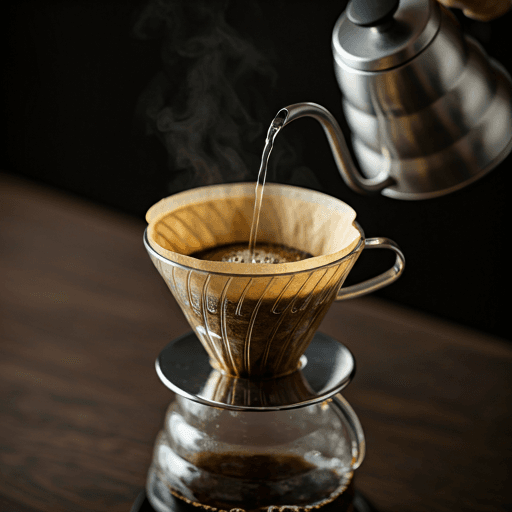
Medium Roast Coffee, Explained
Medium roast is the balanced, all-purpose roast — medium-brown, dry-surfaced beans pulled around first crack, with caramel-nutty sweetness that keeps more origin character than dark yet stays rounder than light.
Explainer
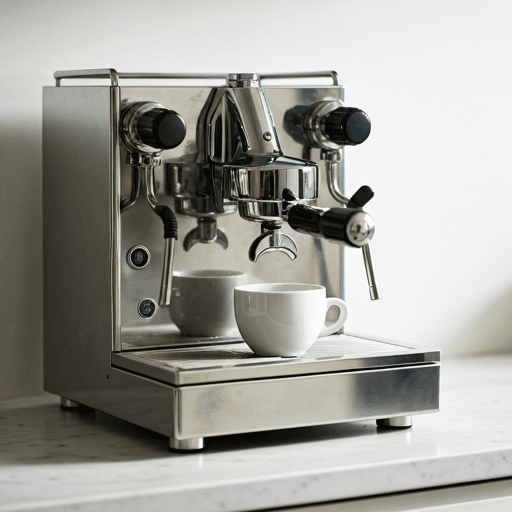
Americano vs Black Coffee: What's the Difference?
Americano vs black coffee: both are black and milk-free, but an americano is espresso lengthened with hot water, while black coffee is gravity-brewed drip or filter. Here's how they differ in body, crema, taste and caffeine — and which to choose.
Explainer
AeroPress vs French Press: Which Should You Use?
Both are hands-on immersion brewers, but the filter is the real divide: the French press plunges a metal mesh for a rich, full-bodied pot, while the AeroPress presses through paper for a clean, bright single cup. Here is how they compare on taste, capacity, cleanup and travel.
Explainer
Espresso vs Drip Coffee: What's the Difference?
Espresso vs drip coffee comes down to pressure versus gravity — one gives a tiny, intense, crema-topped shot, the other a big, clean, everyday mug. Here's how they differ in strength, taste, caffeine, gear and which brew fits your cup.
Explainer
What Is a Coffee Puck? The Espresso Disc, Explained
The coffee puck is the disc of grounds packed into your portafilter before a shot — and the spent cake you knock out after. Here's how to prep it, what a wet puck really means, and why it's an espresso-only thing.
Explainer
What Is Coffee Degassing? Off-Gassing and Bean Rest Explained
Coffee degassing is how freshly roasted beans release trapped CO2 over days to weeks. Here is what off-gassing is, why beans need to rest, and a rough day-by-day guide to the sweet spot.
Explainer
Does Coffee Stain Your Teeth? Why It Happens and How to Reduce It
Yes, coffee can stain your teeth over time — its tannins and chromogens plus its acidity settle into enamel. Here's why it happens, and the simple habits that keep coffee stains on teeth in check.
Explainer
Why Does Coffee Make Me Nauseous?
Coffee can make you feel nauseous for a few everyday reasons — acidity, an empty stomach, too much caffeine or milky add-ins. Here is why it happens and how to settle your stomach.
Explainer
Coffee and Iron Absorption: What to Know
Coffee can reduce how much plant (non-heme) iron your body absorbs when you drink it with a meal. Here is why it happens, who actually needs to care, and the simple timing habits that keep your cup from undercutting your iron.
Explainer
Coffee and Gout: What the Research Suggests
Does coffee cause gout? For most people it is the opposite: large studies link regular coffee to lower uric acid and lower gout risk. Here is what the research really suggests — hedged, honest and non-medical.
Explainer
Does Black Tea Break a Fast?
Plain, unsweetened black tea is virtually calorie-free, so for most intermittent and time-restricted fasts it generally does not break a fast — but sugar, honey, milk or cream do. Here is the plain-language breakdown, plus a quick add-in decoder table.
Explainer
White Tea Benefits: What the Research Suggests
White tea is the least-processed true tea, so it holds on to plenty of delicate antioxidants and pairs a soft caffeine lift with calming L-theanine. Here is what the research suggests about its benefits — hedged, general and non-medical.
Explainer
How Much Caffeine Is in White Tea?
White tea carries a low-to-moderate amount of caffeine — very roughly 15 to 45 mg per cup — but because it's made from caffeine-rich buds, it is not always the lowest-caffeine tea. Here's what really sets the number.
Explainer
CTC vs Orthodox Tea: What's the Difference?
CTC and orthodox are two ways of making tea from the same leaf. CTC crushes it into fast, bold pellets; orthodox keeps leaves whole for a nuanced, re-steepable cup. Here's how they compare.
Explainer
What Is Oxidation in Tea? The Process Behind Every Tea Type
Oxidation in tea is the browning reaction that decides whether the same leaf becomes green, white, oolong or black. Here is what oxidation actually is, how tea makers control it, and the full spectrum from barely-oxidised to fully-oxidised tea.
Explainer
Rooibos vs Black Tea: What's the Difference?
Rooibos and black tea both pour a warm red-brown cup, but they aren't even the same plant. Here's the real difference between rooibos and black tea — caffeine, taste, tannins and how to brew each.
Explainer
Hojicha vs Sencha: Two Japanese Green Teas Compared
Hojicha and sencha are both Japanese green teas from the same plant, but hojicha is roasted while sencha is steamed. Here's how they differ in taste, caffeine, colour and brewing.
Explainer
White Tea vs Black Tea: What's the Difference?
White tea and black tea come from the same plant but sit at opposite ends of processing. Here is how they differ in oxidation, taste, caffeine, brewing and milk — and how to choose.
Explainer
Oolong vs Green Tea: What's the Difference?
Oolong and green tea come from the same plant — the difference is oxidation. Here is how they compare on taste, caffeine, brewing and which to choose.
Explainer
Flat White vs Cappuccino: What's the Difference?
Both start with espresso and steamed milk, but a cappuccino is bigger and foamier while a flat white is smaller, stronger and silkier. Here is the full difference, with a side-by-side table.