
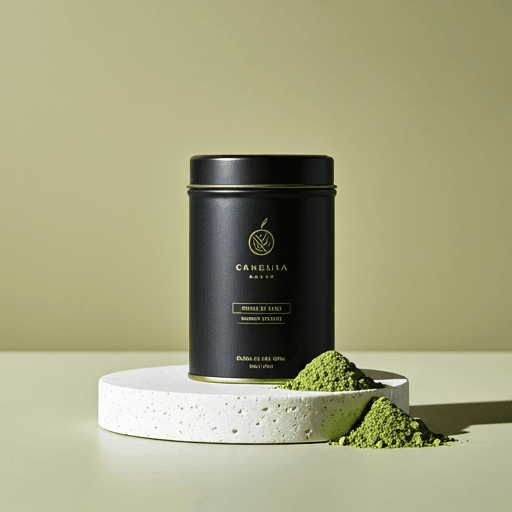
In the white tea vs black tea question, the two sit at opposite ends of the same plant. White tea is the least processed of all true teas — barely oxidised young buds and leaves that are simply withered and dried, giving a delicate, subtly sweet, pale cup. Black tea is fully oxidised, which darkens the leaf and delivers a bold, malty, robust brew. Same shrub, opposite treatment, two very different drinks in the cup.
Both teas grow on Camellia sinensis, the evergreen tea shrub, so the gap between them is made almost entirely in the processing shed rather than the field. Below is a plain-language breakdown of how black tea vs white tea plays out in oxidation, flavour, caffeine, brewing and milk — and which one might suit your mood.
White tea vs black tea: the quick verdict
If you want the difference between white and black tea in one line: white is barely touched and black is fully transformed. White tea keeps the leaf close to its fresh, living state, so it tastes soft, light and gently sweet. Black tea lets the leaf oxidise all the way, so it tastes strong, dark and brisk enough to stand up to milk and sugar.
For a deeper look at each style on its own, see our guides to what white tea is and what black tea is. This article stays focused on how the two compare side by side, so we will not re-tell each one's full story here.
The key difference: oxidation and processing
Oxidation is the single dividing line. When tea leaves are picked, natural enzymes react with oxygen and slowly turn the leaf darker and more aromatic, a bit like a sliced apple browning on the counter. How far the tea maker lets that reaction run is what separates the categories, and it is why two teas from the very same garden can end up worlds apart.
White tea is the least processed of all. Young buds and top leaves are picked, gently withered and dried, with only a whisper of oxidation allowed along the way. There is no rolling or heavy bruising to speed things up, which is why white tea looks so close to the raw leaf and often still wears its fine silvery down. Silver Needle, made from buds alone, and White Peony, which adds a leaf or two, are classic examples.
Black tea is the opposite. The leaves are withered, then rolled or broken to rupture their cells, then left to oxidise completely until they turn coppery brown to near black. A final firing locks in that dark, developed character. Malty Assam, brisk Ceylon, elegant Darjeeling and smooth Keemun are all black teas, along with the breakfast blends that fill most tea bags.
Taste: delicate vs bold
White tea is gentle and understated. Expect a pale, pale-gold liquor with soft notes often described as floral, honeyed, melon-like or subtly sweet, and very little bitterness. It rewards slow, quiet sipping and gives up its charm gradually.
Black tea is the loud sibling. It brews a deep amber-to-reddish-brown cup with brisk, full-bodied, malty and sometimes fruity or smoky flavours, depending on where it grew. A malty Assam-style black leans rich and robust, while a high-grown black can be brighter and more brisk. Where white tea whispers, black tea speaks up, which is exactly why it carries milk, sugar and spice so comfortably.
Caffeine: is white tea stronger than black tea?
Here is where a popular myth needs unpicking. Many people assume white tea always has the least caffeine because it is the least processed, but caffeine content is not set by oxidation. Both teas come from the same caffeinated plant, and the amount in your cup depends on the leaf and bud mix, how much you use, the water temperature and the steep time.
As a rough, heavily hedged guide, black tea often lands on the higher side among true teas, while white tea is usually moderate but not automatically the lowest, since young buds can actually be quite caffeine-dense. So the question is white tea stronger than black tea has no universal answer. On balance black tends to brew a stronger, more caffeinated cup, yet a bud-heavy white steeped hot and long can surprise you. Both sit well below a typical mug of coffee. Treat any figure as an estimate, taste for yourself, remember that responses vary from person to person, and note that this is general information rather than medical advice.
Brewing: temperature and time
Because they are built so differently, they want different treatment in the pot.
White tea likes cooler water, roughly 75 to 85 C (167 to 185 F), and a longer, gentle steep of around three to five minutes, sometimes more. Its delicate compounds scorch easily, so off-the-boil water and a little patience keep the cup sweet rather than flat. Use a generous pinch of leaf, and expect a good white to re-steep happily several times, each infusion revealing a slightly different layer.
Black tea wants heat: near-boiling water around 95 to 100 C (203 to 212 F) and a shorter three to five minute steep. That heat pulls out its full colour, body and briskness. Over-steep it, though, and the same strength that makes it satisfying can tip into astringency, so watch the clock more closely than you would with white.
Antioxidants
Both white and black tea are rich in tea polyphenols and other plant compounds, and the two are far closer here than marketing headlines suggest. We will not make health claims for either, so enjoy them for the cup first. Responses vary, and this is general information, not medical advice.
Milk: which one takes it
Black tea is the classic partner for milk. Its tannins and bold body hold their own against dairy, which is why so many milk-tea traditions, from a strong South Asian masala chai to a builder's mug of breakfast tea, start with a black base. White tea, by contrast, is almost always served plain, since milk would simply bury its faint, delicate flavour. If you like your tea with milk, black is the natural pick; if you like it clean and subtle, white shines on its own.
White tea vs black tea side by side
| Attribute | White tea | Black tea |
|---|---|---|
| Plant | Camellia sinensis | Camellia sinensis |
| Oxidation | Minimal, the least processed | Full, the most oxidised |
| Processing | Withered and dried, no rolling | Withered, rolled or broken, fully oxidised, fired |
| Cup colour | Pale, pale gold | Deep amber to reddish-brown |
| Flavour | Delicate, sweet, floral, honeyed | Bold, brisk, malty, robust |
| Body and strength | Light and gentle | Strong and full |
| Caffeine (rough, variable) | Usually moderate, not always lowest | Often on the higher side |
| Water temperature | About 75 to 85 C | About 95 to 100 C |
| Steep time | 3 to 5 min, gentle, re-steeps well | 3 to 5 min, hot |
| Milk | Almost always plain | Takes milk well |
| Best for | Light, quiet, subtle sipping | Bold, warming, everyday brewing |
Which should you choose?
Choose white tea when you want something light, softly sweet and low-key: an afternoon cup, a gentle evening wind-down, or a chance to taste tea at its most natural. Its subtlety is the whole point, so brew it cool and let it unfold slowly. Choose black tea when you want a bold, warming, dependable cup with real backbone, the kind that anchors breakfast, carries milk and sugar, or powers a busy morning.
If your real decision is white or black against a third style, we have mapped those too. Compare white tea vs green tea and black tea vs green tea to place both extremes on the wider spectrum of tea types.
Many drinkers simply keep both on the shelf and let the moment decide: white for quiet, black for energy. Neither is objectively better. They are two honest expressions of the same remarkable leaf, taken to opposite extremes, and once you see that oxidation is doing the heavy lifting, the whole world of tea starts to make a great deal more sense.