
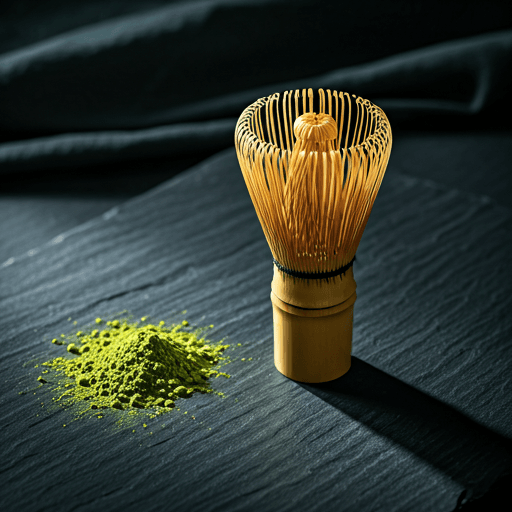
White tea vs green tea comes down to one shared fact and one big difference: both are made from the same plant, Camellia sinensis, yet they are processed in almost opposite ways. White tea is the least processed of all true teas — the buds and leaves are simply withered and dried, with no heat step to halt oxidation — giving a delicate, subtly sweet cup. Green tea is heat-treated, either steamed or pan-fired, to lock in its fresh character, so it tastes grassier, greener and more robust.
Neither tea is heavily oxidised, which is exactly why the two are so often confused. But that single choice — whether or not to fire the leaf — ripples through flavour, brewing and even the caffeine in your cup. Here is how green tea vs white tea really compares, attribute by attribute.
White tea vs green tea at a glance
Before the detail, here is the quick decoder. Treat every figure below as a rough, hedged range: leaf grade, harvest timing and how you brew move all of these far more than the tea category alone.
| Attribute | White tea | Green tea |
|---|---|---|
| Plant | Camellia sinensis | Camellia sinensis |
| Processing | Least processed: withered, then dried | Heat-treated: steamed or pan-fired, then dried |
| Oxidation | Very low, incidental only | Very low, stopped by heat |
| Typical pluck | Young buds and top leaves | Whole young leaves |
| Flavour | Delicate, floral, honeyed, subtly sweet | Fresh, grassy, vegetal, sometimes brisk |
| Caffeine | Varies; often lower, but bud teas can be high | Varies; typically low to moderate |
| Antioxidants | High in polyphenols | High in polyphenols and catechins |
| Water temperature | About 75-85°C (167-185°F) | About 75-80°C (167-176°F) |
| Steep style | Gentle and slightly longer | Short and careful |
Same plant, very different processing
The most important thing to know is that white and green tea are not two different plants. Both are picked from Camellia sinensis, the same evergreen shrub that also gives us oolong and black tea — the differences are made entirely in the factory, not the field. If you want the botany behind that shared origin, see our guide to the tea plant that every style fans out from.
White tea earns its name from the fine silvery down on unopened buds, not from the colour of the brew. It is the most hands-off of all teas: freshly plucked buds and young leaves are laid out to wither, then simply dried. There is no rolling and no firing to arrest oxidation, so a little light oxidation happens on its own as the leaf slowly loses moisture. Classic examples include Silver Needle, made only from buds, and Bai Mu Dan (White Peony), which adds a leaf or two. For the full portrait of the category, see what white tea is.
Green tea takes the opposite turn early. Soon after plucking, the leaves are given a quick blast of heat — steamed, in the Japanese tradition behind sencha, or pan-fired, in the Chinese tradition behind dragon well — in a step often called "kill-green." That heat deactivates the enzymes that cause oxidation, freezing the leaf in its green, vegetal state before it is rolled and dried. White tea skips this step entirely; green tea is defined by it.
How white tea and green tea taste
Processing is the reason the two cups taste so different. Because white tea is barely handled, its flavour is delicate and gentle: think soft florals, a honeyed sweetness, hints of melon or hay, and very little bitterness. It is the kind of tea you sip slowly and quietly.
Green tea, held in its fresh state by heat, is brighter and more assertive. Expect grassy, vegetal and sometimes marine or nutty notes, a livelier body and a clean, brisk finish. That vibrancy comes with a catch: green tea can turn bitter and astringent if you brew it with water that is too hot or steep it too long, whereas white tea is far more forgiving. If you have ever found green tea harsh, the fix is usually cooler water and a shorter steep rather than a different tea.
Caffeine: white vs green tea
The white vs green tea caffeine question has a stubbornly unsatisfying answer: it varies, and there is no reliable rule. Many people assume white tea always has less caffeine because it is so lightly processed, and it often does land on the lower side. But processing barely changes caffeine at all — the leaf's caffeine is set on the bush, not in the drying shed.
The twist is that tea plants concentrate caffeine in their youngest buds and leaf tips, which is exactly what many white teas are made from. A bud-only white tea like Silver Needle can therefore carry as much caffeine as, or more than, a leafy green tea, even though its cup feels gentle and mellow. Published figures for both types scatter widely — a rough spread of around 15-60 mg per cup is common — driven by the plant, the pluck, water temperature and steep time far more than by colour. If a specific number matters to you, our note on green tea caffeine content digs into why the range is so wide. Responses to caffeine vary from person to person, and this is general information rather than medical advice.
Antioxidants in white and green tea
Both white and green tea are rich in the same broad family of plant compounds — polyphenols, including the catechins that tea is known for. Green tea is the more heavily studied of the two, and white tea is sometimes said to preserve more of certain compounds because it is so minimally processed, but the evidence is mixed and depends heavily on the specific tea and how it is brewed. Rather than chasing one as a "healthier" choice, it is more useful to treat both as pleasant, low-calorie drinks that happen to be full of interesting compounds.
Any wellness effect varies from person to person, and none of this is medical advice; if you have specific health questions, ask your own healthcare provider.
How to brew white tea and green tea
Both teas share the same golden rule: keep the water off the boil. Delicate leaves scorch in fully boiling water, turning sweet and grassy notes bitter. Aim for roughly 75-85°C (167-185°F) for white tea and a touch cooler, around 75-80°C (167-176°F), for most green teas.
From there the two diverge. White tea, with its larger buds and thicker leaves, likes a gentle, slightly longer steep — often two to five minutes, and it re-steeps happily. Green tea rewards a shorter, more watchful steep, frequently under two minutes, because over-steeping is the fastest route to bitterness. Both are excellent as loose leaf if you can get it. For a step-by-step method with green tea specifically, see how to make green tea.
Is white tea better than green tea?
Neither is better in any absolute sense — they simply suit different moments, so the honest answer to "is white tea better than green tea" is that it depends on what you want from the cup. Reach for white tea when you want something soft, subtle and low-key: an unhurried afternoon, a gentle evening wind-down, or a tea that stays smooth even if you forget it for a minute. Reach for green tea when you want freshness and a bit more character: a bright morning cup, a lively partner for food, or the grassy, vegetal edge that green does best.
Many tea drinkers keep both on the shelf and choose by mood. The difference between white and green tea is real but friendly — two expressions of the same leaf, one left almost untouched and the other locked in bright and green. The best way to learn which you prefer is to brew them side by side, cooler than you think, and taste the gap for yourself.