
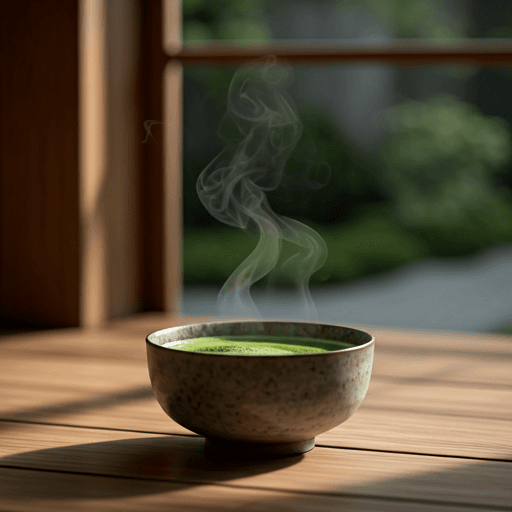
Does tea dehydrate you? For almost everyone, no — your everyday cup of tea does not dehydrate you. Caffeine is a mild diuretic, which means it can nudge you to visit the bathroom a little more often, but the large amount of water in a cup of tea far outweighs that small effect. So your regular cups of black, green or oolong tea still count toward your daily fluids, and caffeine-free herbal teas are simply hydrating.
The idea that tea "doesn't count" or actively dries you out is one of the stickiest myths in the tea world. It comes from a kernel of truth about caffeine, stretched well past what the science actually supports. Here is what is really going on, kept light and general — responses vary from person to person, and this is not medical advice.
Does Tea Dehydrate You? The Short Answer
To restate it plainly: for a typical, healthy adult drinking normal amounts, tea does not dehydrate you. A cup of tea is roughly 99% water. Whatever mild diuretic pull the caffeine has, you are still taking in far more fluid than your body sheds in response to it. Hydration researchers who have compared tea and plain water in regular drinkers keep landing in the same place — over a day, tea hydrates you about as well as water. So is tea dehydrating? Not in any way that matters for staying topped up.
The one place the "dehydrating" label has a sliver of truth is a very large dose of very strong, high-caffeine tea in someone who almost never has caffeine. Even then the effect is small and temporary. We will get to that below.
The Caffeine-as-Diuretic Idea
Caffeine is a genuine, if mild, diuretic — it can slightly increase how much urine your kidneys produce for a while after you drink it. That single fact is where the whole "does caffeine in tea dehydrate you" worry comes from. But two things blunt it almost completely.
First, dose. The diuretic effect of caffeine only becomes noticeable at fairly high single doses — well above what most people get from a cup or two of tea. Tea generally carries less caffeine per cup than coffee, so it takes a lot of tea to reach that threshold. The coffee version of this question works the same way and lands on the same answer: mild diuretic, easily outweighed by the fluid in the cup.
Second, the water. A mug of tea delivers roughly 200–250 ml of fluid. Any extra trip to the bathroom the caffeine prompts moves far less water than that. On net, you keep most of what you drank. That is why tea and hydration are not at odds — the cup is mostly water, and the water wins. Framed the other way round, the caffeine would have to pull out more liquid than the drink put in for tea to be "dehydrating," and at normal amounts it simply does not come close.
What the Research Says About Tea and Hydration
Controlled studies that measured hydration markers — body water, urine output, blood tests — have compared caffeinated tea against plain water in ordinary drinkers. The general finding is reassuring: at the amounts people actually drink, tea is about as hydrating as water. Some large hydration indexes that rank drinks by how much fluid they retain put tea right alongside water, and only heavily caffeinated or high-alcohol drinks slip down the list.
There is also a tolerance effect. People who drink tea or coffee regularly build up a tolerance to caffeine's mild diuretic action, so it barely registers for them. If you have a cup most days, your body has long since adjusted. This is a big reason the "tea steals your water" belief keeps getting debunked — for habitual drinkers, the question "does tea count as water" is essentially a yes.
None of this makes tea a magic hydrator, and it is not a reason to swap all your water for tea. It simply means your cups belong on the credit side of your daily fluid ledger, not the debit side. Beyond the fluid itself, the polyphenols that give tea its character are worth a mention too — you can read more about the antioxidants in tea in a dedicated guide. Hydration is the baseline; the flavour and the plant compounds are the bonus.
Tea Caffeine and Hydration at a Glance
Different teas carry different amounts of caffeine, but — as the table shows — the hydration answer barely changes across the board. Caffeine numbers vary widely by leaf, amount and steep time, so treat these as rough, hedged ranges rather than fixed figures.
| Tea type | Typical caffeine (per cup) | Hydrating? |
|---|---|---|
| Black tea | Moderate (roughly 40–70 mg) | Yes — counts toward fluids |
| Oolong tea | Low to moderate | Yes |
| Green tea | Low to moderate (roughly 20–45 mg) | Yes |
| White tea | Low to moderate (varies widely) | Yes |
| Decaf tea | Very low (a few mg) | Yes |
| Herbal tisanes (chamomile, peppermint, rooibos, hibiscus) | None | Yes — especially hydrating |
For a closer look at exact figures, see whether tea contains caffeine and the deeper dive on how much caffeine is in black tea. The takeaway from the table is simple: every one of these still lands on "hydrating," and even the highest-caffeine cup on the list is nowhere near strong enough to leave you short of fluid.
When Tea Could Have a Mild Dehydrating Effect
To be fair to the myth, there is a narrow situation where caffeinated tea can have a small, short-lived diuretic effect that slightly outpaces its water — but it takes a specific combination of factors:
- A large amount at once — several strong cups in one sitting, not a single mug.
- Very strong, high-caffeine tea — long-steeped, generous leaf, so the caffeine load per cup runs high.
- Someone not used to caffeine — a person who rarely has it, so no tolerance has built up.
Even when all three line up, the effect is minor and passes quickly; it is not the kind of dehydration that leaves you genuinely depleted. For the vast majority of tea drinkers, on a normal day, it simply does not apply. And if you are ever concerned about hydration for a health reason — pregnancy, a medication, a medical condition, intense exercise or heat — that is a question for your own healthcare provider, not a tea chart.
Herbal Teas Are Caffeine-Free and Especially Hydrating
If the caffeine question bothers you at all, herbal teas sidestep it entirely. Chamomile, peppermint, rooibos, hibiscus and ginger infusions are technically tisanes, not true tea, and they contain no caffeine at all. That means zero diuretic nudge and pure fluid intake — they are about as hydrating as warm water with a little flavour, which is a genuinely pleasant way to reach your daily total, especially in the evening when you might want to skip caffeine anyway.
So if you like to end the day with a warm mug, a caffeine-free herbal cup is a hydrating, low-fuss choice — and it counts fully toward your fluids with no asterisk attached.
The Practical Takeaway
Count your tea toward your daily fluids. Black, green, oolong and white teas all hydrate you at the amounts people normally drink, and herbal teas are hydrating with no caffeine caveat at all. The mild diuretic effect of caffeine is real but small, easily outweighed by the water in the cup, and smaller still if you drink tea regularly.
The reason to keep an eye on your total tea intake is not dehydration — it is the other things caffeine does, like disrupting sleep if you have a strong cup late, or leaving you jittery. Manage caffeine for those reasons, not out of a fear that your tea is drying you out. As always, responses vary from person to person, and this is general information, not medical advice.
Tea has been a daily ritual across the world for centuries, and generations of dedicated drinkers have stayed perfectly well-hydrated the whole time. The science backs up what everyday experience already suggests: your cup is mostly water, and it counts. Pour another and enjoy it — hydration and all.