
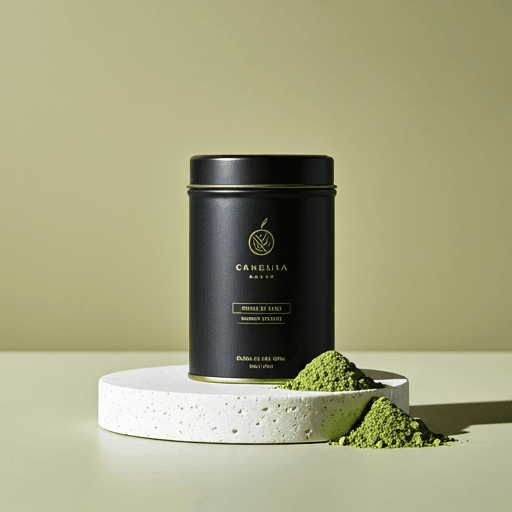
Is tea good for you? In moderation, yes — for most people tea is generally considered a healthy, everyday drink. True teas (green, black, white and oolong) are rich in polyphenol antioxidants and pair a modest caffeine lift with the calming amino acid L-theanine, while herbal "teas" are caffeine-free tisanes with their own gentle perks. Research broadly associates regular, unsweetened tea with support for heart health, hydration and calm focus. The key word is habit: tea is a healthy drink, not a medicine.
This page is a high-level overview rather than a deep dive into any single tea. Where a specific claim deserves its own page, we point you to it. Responses vary from person to person, and none of this is medical advice — if you are pregnant, caffeine-sensitive or taking medication, ask your own healthcare provider.
Is tea good for you? The honest, hedged answer
The reason so many people ask whether drinking tea is healthy is that tea sits in a comfortable middle ground: it is more interesting than water, far gentler than most sugary drinks, and it arrives wrapped in centuries of ritual. The evidence is reassuring but modest. Large observational studies associate regular tea drinkers with certain positive outcomes, but association is not proof, and a cup of tea will not cancel out an otherwise unbalanced routine.
A fair summary of the picture is this: a few cups of unsweetened tea a day fit easily into a balanced diet for most adults, and may bring small, pleasant benefits along the way. What usually turns a healthy cup into a less healthy one is what you add to it — not the leaves themselves.
What is actually in your cup
All true tea comes from one plant, Camellia sinensis. Whether it becomes green, white, oolong or black depends mostly on how much the leaves are oxidised after picking. That shared origin is why the different teas overlap so much in what they offer, even as their flavours diverge.
Polyphenol antioxidants
The headline compounds are polyphenols — plant antioxidants that include catechins (more prominent in green and white tea) and theaflavins (formed when leaves oxidise into black tea). These are the molecules most of the "tea is healthy" research revolves around. We keep the chemistry light here on purpose; for the deeper story on how these compounds work, see our guide to antioxidants in tea.
Caffeine and L-theanine
True tea contains caffeine — generally less than a same-size cup of coffee, though the exact amount varies with the tea, the leaf and how long you steep. Tea pairs that caffeine with L-theanine, an amino acid many people find smooths the caffeine edge into a calmer, more focused kind of alertness. It is a big part of why a cup of tea can feel steadying rather than jittery.
Near-zero calories
Brewed on its own, unsweetened tea has essentially no calories. That is one of its quiet strengths as an everyday drink: it gives you flavour, warmth and a little ritual without the sugar load of most flavoured beverages. Add sugar, syrups or sweetened condensed milk and that changes quickly, which is the single biggest lever you control.
The benefits tea is commonly studied for
Here is where hedging matters most. The research is largely observational, the effects are modest, and none of it makes tea a treatment for anything. With that firmly in mind, these are the areas studies most often associate with regular, unsweetened tea:
- Heart and blood-vessel support. Population studies associate habitual tea drinking with markers of cardiovascular support. It is an association, not a promise, and it sits alongside diet, activity and sleep rather than replacing them.
- Calm, steady focus. The caffeine-plus-L-theanine combination is the most distinctive thing tea offers — a gentle lift many people describe as alert but relaxed.
- Everyday hydration. Despite a stubborn myth, ordinary tea counts toward your daily fluids for most people; the water in the cup far outweighs caffeine's mild diuretic effect.
We deliberately keep these general and defer the specifics to their own pages. For what the green-tea research actually says, see green tea benefits; for the black-tea side, see black tea benefits. There are no cure, detox, immunity or weight-loss claims here, because the honest evidence does not support them.
The caveats worth knowing
"Generally good for you" is not "good for everyone in any amount." A handful of sensible caveats keep tea firmly on the healthy side of the ledger.
Caffeine sensitivity and sleep
Because true tea contains caffeine, a strong cup too late in the day can disturb sleep for sensitive people. If that is you, lean on lighter steeps, decaffeinated tea or caffeine-free herbal tisanes in the evening.
Tannins and iron
Tea's tannins can bind to non-heme (plant) iron and reduce how much your body absorbs when you drink tea with a meal. For most well-nourished people this is minor, but it matters more if your iron is low. A simple fix is to enjoy tea between meals rather than alongside them. We cover this properly in tea and iron absorption.
Very hot tea and added sugar
Two practical points round this out. Drinking any beverage scalding hot is not ideal, so let your tea cool to a comfortable sipping temperature. And the fastest way to make a healthy cup unhealthy is to load it with sugar — the sweetener, not the leaf, is usually what tips the balance.
True tea versus herbal tea
A quick but important distinction: only drinks from Camellia sinensis are "true" tea. Chamomile, peppermint, rooibos, hibiscus and ginger are tisanes — herbal infusions that are naturally caffeine-free and carry their own gentle, traditional uses rather than tea's polyphenol-and-caffeine profile. Neither is better in the abstract; they simply do different jobs. A caffeine-free chamomile in the evening and a brisk black tea in the morning can both belong in a healthy routine.
Tea health at a glance
| Aspect | What to know |
|---|---|
| What counts as tea | True tea (green, black, white, oolong) is from Camellia sinensis; herbal "teas" are caffeine-free tisanes. |
| Antioxidants | Polyphenols such as catechins and theaflavins are the main reason tea is studied for health. |
| Caffeine | A modest lift, usually less than coffee, softened by calming L-theanine. |
| Calories | Near-zero when unsweetened; added sugar is what changes the equation. |
| Hydration | Ordinary tea counts toward daily fluids for most people. |
| Heart and focus | Research associates regular unsweetened tea with heart support and calm alertness — not a treatment. |
| Iron note | Tannins can hinder plant-iron absorption; sip between meals if your iron is low. |
| Best habit | A few cups a day, unsweetened, not scalding hot, earlier rather than late. |
The balanced takeaway
So, is drinking tea healthy? For most people, a few cups of unsweetened tea a day are a genuinely good-for-you habit — hydrating, low in calories, rich in antioxidants and paired with a calm sort of caffeine lift. The benefits are real but modest, the science is mostly associative, and tea works best as one small, pleasant part of a balanced life rather than as a health fix.
Keep it simple: brew it the way you enjoy it, go easy on the sugar, mind the caffeine if you are sensitive, and reach for caffeine-free tisanes when you want a wind-down cup. Responses vary from person to person, and this is not medical advice — if you are pregnant, caffeine-sensitive or on medication, check with your doctor about what is right for you. For the deeper stories behind the headlines, our guides to green tea benefits and antioxidants in tea pick up where this overview leaves off.