
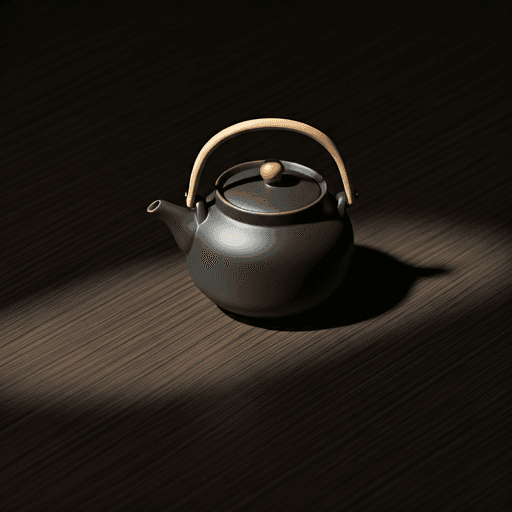
The biggest thing to settle in the rooibos vs black tea question is that these two drinks are not even made from the same plant. Rooibos — Afrikaans for "red bush" — is a naturally caffeine-free herbal tea grown from a South African shrub, while black tea is a true tea pressed from the leaves of Camellia sinensis and carries a moderate amount of caffeine. Both steep into a warm red-brown cup, but rooibos tastes smooth, sweet and tannin-light, whereas black tea is brisk, malty and can turn astringent when it is over-brewed.
That one fact — different plants — cascades into almost everything else that matters at the mug: caffeine, flavor, tannins, whether it takes milk, and how forgiving it is at the kettle. Here is how black tea vs rooibos compares, point by point.
Rooibos vs black tea at a glance
If you only remember one thing about the difference between rooibos and black tea, make it the plant, because every other row in the table below follows from it.
| Attribute | Rooibos | Black tea |
|---|---|---|
| Plant | Aspalathus linearis, a legume-family bush | Camellia sinensis, the tea plant |
| Category | Herbal tea (tisane) | True tea |
| Origin | Cederberg region of South Africa | China originally; now Assam, Sri Lanka, Kenya and beyond |
| Caffeine | None | Moderate |
| Flavor | Sweet, nutty, woody, smooth | Bold, malty, brisk, can be astringent |
| Tannins | Low | Higher |
| Bitter if over-steeped? | No | Yes |
| Takes milk? | Optional | Classic with milk |
| Water temperature | Near-boiling | Near-boiling |
| Color in the cup | Red-brown | Red-brown to dark amber |
Keep that table in mind and the rest is just detail. Below, each row gets unpacked so you know not only that they differ but why.
Different plants entirely
Rooibos comes from Aspalathus linearis, a needle-leaved bush in the legume (pea) family that grows almost exclusively in the Cederberg mountains of South Africa. Because it is not made from the tea plant, it is technically a tisane rather than a "tea" at all — the same broad category as chamomile or peppermint. For the full story of how the fine red needles are harvested, bruised, oxidized and dried, see our rooibos tea explained guide, and for the wider world of leaf-free infusions, our overview of herbal teas.
Black tea, by contrast, is a genuine tea. It comes from Camellia sinensis — the very same plant that also gives us green, white and oolong tea. What makes it "black" is full oxidation, the step that darkens the leaf and builds those deep, malty, robust flavors. We cover that process in depth in what black tea is.
The two even reach their shared red-brown color by different routes: rooibos develops its rusty hue when the cut needles are oxidized, while black tea gets its darkness from oxidizing whole leaves. So is rooibos a black tea? No. They can look like twins in the pot, but botanically they sit on completely different branches of the plant kingdom, and that is the root of every other contrast on this list.
Caffeine: none vs a moderate lift
This is the practical dividing line for most drinkers. Rooibos is naturally caffeine-free — there is essentially none in the plant — which is why it is a go-to for the evening, for anyone cutting back on stimulants, and for caffeine-free households. It is also often chosen by people who are pregnant or particularly sensitive to caffeine, though responses vary, this is not medical advice, and it is worth checking with your own healthcare provider if you have questions.
Black tea carries a moderate amount of caffeine — generally less than a typical cup of coffee, but plenty to feel. Exact numbers depend on the leaf, how much you use, water temperature and steep time, so treat any figure you read as a rough guide rather than a fixed dose. If you want a caffeinated cup with a gentle lift, black tea delivers it; if you want none at all, rooibos is the obvious pick. There is also a middle path: decaffeinated black tea keeps most of the flavor with only trace caffeine, which is handy if you love the malty character but not the buzz.
Taste and aroma
Rooibos is naturally sweet and rounded — honeyed, nutty and lightly woody, with a smooth finish and no sharp edges. One of its friendliest traits is that it does not turn bitter even if you forget it in the pot, which makes it very hard to get wrong. It also takes beautifully to additions like a slice of citrus, a little honey, warming spices, or a splash of milk for a dessert-like cup.
Black tea is the bolder brew: robust, malty and brisk, sometimes with fruity, floral or smoky notes depending on where the leaf was grown. That backbone comes partly from its tannins, and it is also why black tea can slide into bitterness or astringency when it is brewed too hot or too long. A squeeze of lemon or a splash of milk are the classic ways to tame and shape it.
Tannins and milk
Rooibos is low in tannins, so it is gentle, forgiving and rarely needs anything added to be enjoyable. Black tea is comparatively tannic, which is exactly why it pairs so classically with milk — the milk softens the astringency and rounds the cup. That milk-and-strong-brew tradition anchors everything from a British builder's brew to the spiced, sweet, boiled milk teas of South Asian kitchens. If you are weighing rooibos against another naturally lighter option, our rooibos vs green tea comparison is a useful companion read.
How to brew each
Both like water that is at or very near a rolling boil, so the kettle setting is the same. The difference is all in the timing. Rooibos is happy with a long steep — five to ten minutes, or even longer — and will only get deeper and sweeter rather than bitter, so you can leave the bag in and walk away without ruining it.
Black tea wants roughly three to five minutes. Leave it much past that and the tannins take over and the cup turns harsh, so pull the leaves or the bag when the timer is up. Both re-steep reasonably well, with whole-leaf, orthodox-style black teas often giving the more interesting second cup. A quick rule of thumb: if you tend to forget your mug, rooibos will forgive you and black tea will not.
Antioxidants, briefly
Both drinks contain polyphenols and other plant compounds, and rooibos carries its own signature antioxidants such as aspalathin that black tea does not. Research on either is ongoing and results vary from person to person, so it is best to enjoy them for the flavor rather than any specific health promise — this is general information, not medical advice.
Which should you choose?
It usually comes down to caffeine and the time of day. Reach for rooibos when you want a naturally caffeine-free, sweet and soothing cup — late at night, while you are winding down, or any time you simply do not want a stimulant. Reach for black tea when you want a brisk, warming lift, especially first thing in the morning or with milk and something to eat. Plenty of households keep both on the shelf: black tea for the wake-up, rooibos for the evening. Both also work iced, and both turn up in blends — rooibos in vanilla and chai-style tisanes, black tea in breakfast and Earl Grey blends.
Ultimately, choosing rooibos or black tea is less about which one is "better" and more about what you want from the cup in that moment — a calm, dessert-like infusion or a bold, bracing brew. They only look like twins in the pot; in the plant they grow on, the caffeine they carry and the flavor they pour, they could hardly be more different.