
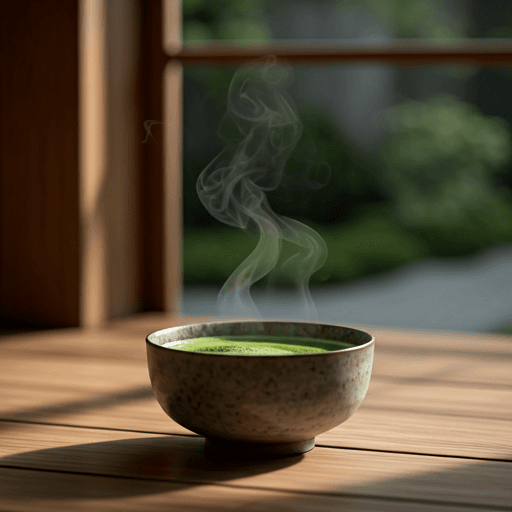
In a hojicha vs sencha comparison, both drinks are Japanese green teas made from the same plant, Camellia sinensis — but one processing step sets them apart. Hojicha is roasted, while sencha is steamed and left unroasted. That roast turns hojicha toasty, nutty and reddish-brown with a notably lower caffeine level, while sencha stays fresh, grassy, green and brisk. Reach for hojicha when you want a cosy, mellow cup, and sencha when you want a bright, everyday green.
So yes, despite its roasted, coffee-brown look, hojicha is still green tea. It usually begins as sencha or bancha leaf that is then roasted, which is why the two teas share a botanical parent yet land in very different places on the flavour map. For the full portrait of each tea on its own, see what hojicha is and what sencha is — this guide focuses on how they differ, side by side.
Hojicha vs sencha: the key difference is roasting
The single most important factor in a hojicha vs sencha comparison is heat applied after harvest. Both teas start the same way: the leaves are picked and quickly steamed to stop oxidation, which is how Japanese greens keep their vivid colour and fresh character. From there, sencha is rolled and dried, locking in that green, grassy profile. Hojicha takes already-processed green tea — often sencha or the coarser bancha leaf, sometimes with a share of stems — and roasts it in a hot drum or pan until it turns brown and aromatic.
That roasting stage is the whole story. It reshapes the colour, the aroma, the flavour and, many sources suggest, the caffeine. So the difference between hojicha and sencha isn't the plant, the country of origin or even the growing region — it is what happens in the final step. Sencha is the steamed, unroasted green; hojicha is the roasted one. Almost everything else below flows from that one decision.
Is hojicha green tea?
Because it is brown and toasty, hojicha is sometimes mistaken for a black tea or an herbal blend, but it is neither. It is unambiguously green tea: the leaves are steamed early to prevent oxidation, exactly like sencha, and only later roasted. Unlike black tea, which is fully oxidised, hojicha's colour comes from the roast, not from oxidation. That makes both hojicha and sencha members of the green-tea family, just finished in different ways — one left green, one gently fired.
Hojicha vs sencha at a glance
| Attribute | Hojicha | Sencha |
|---|---|---|
| Processing | Roasted (steamed green tea, then roasted) | Steamed, then rolled and dried — unroasted |
| Flavour | Toasty, nutty, caramel, smooth | Grassy, vegetal, brisk, savoury umami |
| Brewed colour | Amber to reddish-brown | Pale to bright green |
| Caffeine (varies) | Notably lower — roasting drives much off | Moderate — a typical daytime green |
| Bitterness | Low, very forgiving | Can turn astringent if oversteeped |
| Water temperature | Hotter, ~90-95°C (194-203°F) | Cooler, ~70-80°C (158-176°F) |
| Best time of day | Afternoon or evening, relaxed | Morning or daytime |
| Body | Warm, round, comforting | Fresh, light, lively |
Amounts and flavours vary by leaf grade, harvest, roast level and how you brew, so treat the table as a friendly map rather than a rulebook. Responses to caffeine also differ from person to person, and none of this is medical advice.
Taste: grassy sencha vs toasty hojicha
Sencha tastes the way many people picture "green tea": grassy, vegetal and fresh, with a bright, slightly astringent edge and a clean, savoury umami finish. A well-made sencha is brisk and lively, sometimes described as tasting of fresh-cut grass, steamed greens or a faint hint of the sea. Push the water too hot or steep it too long, though, and that liveliness can tip into bitterness — sencha rewards a gentle hand and a watchful timer.
Hojicha sits at the opposite end of the mood board. Roasting mellows the grassy notes and coaxes out warm, toasty, nutty flavours with a whisper of caramel — smooth, round and low in bitterness, almost coffee-like in its comforting character. Because the roast tames the astringency, hojicha is famously forgiving and easy to like, which makes it a common choice for children, evenings and anyone who finds standard green tea too sharp. In short, sencha vs hojicha is fresh-and-brisk set against warm-and-cosy.
Caffeine: why hojicha is the lower-caffeine choice
Here the roast does something useful. High heat is thought to drive off a good share of the caffeine in the leaf, so hojicha is generally the lower-caffeine option, while sencha stays a moderate daytime green. That is a big reason hojicha is such a popular evening and after-dinner tea, and why it is often poured for kids in its home country. Exact figures vary widely with leaf, roast level, water temperature and steeping time, so it is more useful to think "hojicha usually less, sencha usually more" than to chase precise numbers. As always, caffeine sensitivity differs from person to person, and this isn't medical advice — if caffeine affects your sleep, let that guide your cut-off time.
Colour: green sencha vs amber hojicha
You can often tell hojicha or sencha apart just by looking at the cup. Sencha brews pale yellow-green to bright, jade-tinged green, echoing its fresh, unroasted leaf. Hojicha pours a clear amber to reddish-brown, closer in appearance to a light black tea or even a weak coffee — a direct visual signature of the roast. The dry leaf tells the same story: sencha is needle-like and deep green, hojicha is brown and often twiggy. This is handy in a café or at home too: if you are handed an unlabelled Japanese green and it glows amber, you are almost certainly looking at hojicha; if it shines green, it is far more likely to be sencha or another steamed green.
Brewing: cooler for sencha, hotter for hojicha
The two teas want different water. Sencha is delicate and can scorch, so cooler water suits it — roughly 70-80°C (158-176°F) for a short steep of a minute or so; too much heat pulls out harsh, bitter notes. Hojicha is far more relaxed: because roasting has already stripped away much of the astringency, it happily takes near-boiling water around 90-95°C (194-203°F) and a slightly longer steep without turning bitter. Both teas can be re-steeped, and hojicha in particular is very hard to get "wrong", which is part of its everyday appeal. That mellow, roasty body also makes hojicha a natural base for lattes and desserts, where its low bitterness survives milk and sweetness far better than a grassy sencha would.
Hojicha or sencha: which should you choose?
Choose sencha when you want the classic green-tea experience — a fresh, grassy, gently brisk cup to brighten a morning or carry you through the day, with a moderate caffeine lift. Choose hojicha when you want something warm, toasty and soothing, especially later in the day when its lower caffeine is a bonus; it also pairs beautifully with food and sweets. Plenty of tea drinkers simply keep both on the shelf: sencha for daytime freshness, hojicha for a cosy evening wind-down.
If you are actually weighing hojicha against Japan's whisked green powder rather than against sencha, that is a different match-up — see hojicha vs matcha. And if you want to see where these two sit among gyokuro, genmaicha, bancha and the rest, browse the wider family in types of green tea. Whichever you pour, you are drinking the same leaf shaped by two different ideas of what a green tea should be — one that stays fresh from the field, and one transformed by fire.