
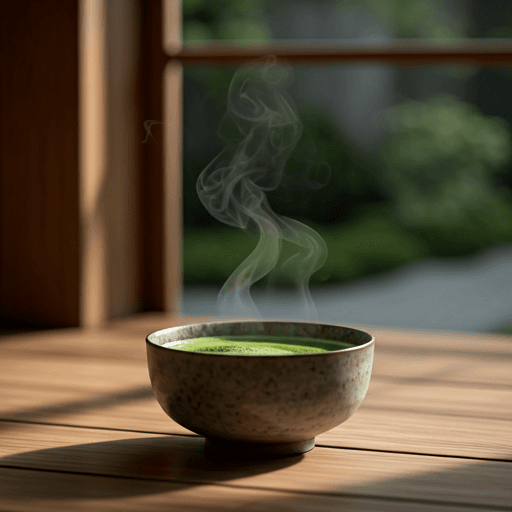
All green tea — from everyday Japanese sencha to prized Chinese Dragon Well — comes from the leaves of a single plant, Camellia sinensis, that are heated soon after picking to halt oxidation and keep their fresh, green character. What separates the many types of green tea is mostly two things: where the leaf is grown and how it is "fixed." Japanese green tea is usually steamed, which tends toward grassy, marine, umami-rich flavors, while Chinese green tea is usually pan-fired, which leans nutty, toasty and mellow. Within each tradition sit the famous named teas most people are actually looking for.
This guide maps the whole family: how green tea is made, the Japanese greens (sencha, gyokuro, genmaicha, matcha, hojicha and more), the Chinese greens (Dragon Well, gunpowder, Bi Luo Chun), and how to brew and choose between them. For a deeper dive into any one style, we point you to a dedicated guide as we go.
How green tea is made: steamed vs pan-fired
Every true tea — green, white, oolong, black — starts from the same Camellia sinensis leaf. The difference is oxidation, the browning reaction that turns a cut apple (or a bruised tea leaf) darker and deeper in flavor. Black tea is fully oxidized; green tea is barely oxidized at all. To keep it green, producers apply heat within hours of plucking to switch off the enzymes that drive oxidation. This step is called "kill-green," and how it is done is the single biggest fork in the green-tea family tree.
Steaming: the Japanese method
Most Japanese green tea is steamed, anywhere from a few seconds to a couple of minutes. Steaming sets a vivid green color and a flavor people describe as grassy, vegetal, seaweed-like and savory (umami). Deeper-steamed styles, called fukamushi, turn out darker, cloudier cups with a bolder, softer taste and a little more sediment in the bottom.
Pan-firing: the Chinese method
Most Chinese green tea is pan-fired (sometimes described as roasted) in a hot wok or rotating drum. That dry-heat contact adds a toasty, nutty, sometimes chestnut-like or floral character and a more yellow-green liquor. Because leaves are shaped by hand or machine during firing, many Chinese greens are prized as much for their look — flat spears, tight pellets, curly spirals — as for their taste. That one processing choice, steamed vs pan-fired, is why a Japanese green and a Chinese green can taste so different even though both are "just green tea."
Japanese green tea: sencha, gyokuro, genmaicha and more
Japanese greens are the steamed side of the family. If you have ever had a bright, grassy cup at a sushi counter, it was almost certainly sencha. Here are the main styles; for a fuller tour, see our dedicated guide to Japanese tea types.
- Sencha — the everyday staple and by far the most-drunk green tea in Japan. Whole leaves are steamed then rolled into thin needles; the cup is fresh, grassy and lightly astringent with a clean finish. When people say "sencha green tea," this is what they mean.
- Gyokuro — the shaded premium. The plants are covered for a few weeks before harvest, which raises chlorophyll and the amino acid L-theanine. The result is a deep-green, intensely sweet, umami-rich cup with almost no bitterness. Gyokuro green tea rewards patience: brew it cool and slow.
- Matcha — shade-grown leaves (called tencha) stone-ground into a fine powder that you whisk into water rather than steep. Because you drink the whole leaf, it is vivid, creamy and concentrated. We cover it in full in what is matcha.
- Genmaicha — sencha or bancha blended with toasted (and sometimes popped) brown rice. The rice adds a warm, popcorn-like, nutty note that softens the grassiness, making genmaicha green tea a cozy, low-key everyday cup.
- Hojicha — green tea (usually bancha) that is roasted until it turns reddish-brown. Roasting drives off much of the caffeine and astringency, leaving a toasty, caramel-ish, mellow cup that many people drink in the evening.
- Bancha — the "everyday" late-harvest green from coarser, more mature leaves. Milder and lower in caffeine than sencha, with a straightforward, slightly woody taste.
- Kukicha — the "twig tea," made largely from stems and stalks left over from sencha and gyokuro production. Light, sweet and low in caffeine, with a creamy note.
Chinese green tea: Dragon Well, gunpowder and more
Chinese greens are the pan-fired side of the family, and China grows the widest variety of green tea on earth. A few classics you will meet again and again:
- Longjing (Dragon Well) — arguably the most famous Chinese green tea, from the hills around Hangzhou. The leaves are pressed flat during firing into smooth "sparrow tongue" spears; the cup is mellow, sweet and chestnut-like with a gentle roasted note. Read our full Longjing Dragon Well guide for the detail.
- Gunpowder — leaves rolled into tight little pellets that unfurl, or "explode," as they steep, which is how the tea got its name. Bold, slightly smoky and long-keeping, gunpowder green tea is also the traditional base for Moroccan mint tea.
- Bi Luo Chun — "green snail spring," a delicate tea of tiny curled leaves covered in downy tips; floral, fruity and highly fragrant.
- Mao Feng — a lightly twisted leaf (Huangshan Mao Feng is the classic) with a fresh, orchid-like, mellow flavor.
- Chun Mee — "precious eyebrows," named for the curved leaf shape; a widely exported, plummy-tart, briskly nutty everyday green.
Beyond China and Japan, green tea is also grown in Korea (such as nokcha), Sri Lanka and across East Africa — but the Japanese-steamed and Chinese-pan-fired styles remain the two poles that most types fall between.
Green tea types at a glance
A quick decoder of the best-known greens by origin, processing and flavor:
| Green tea | Origin | Processing | Flavor |
|---|---|---|---|
| Sencha | Japan | Steamed, rolled | Grassy, fresh, lightly astringent |
| Gyokuro | Japan | Shaded, steamed | Sweet, umami, seaweed-like |
| Matcha | Japan | Shaded, stone-ground powder | Concentrated, creamy, vegetal |
| Genmaicha | Japan | Steamed + toasted rice | Nutty, popcorn-like, cozy |
| Hojicha | Japan | Steamed then roasted | Toasty, caramel, low-bitter |
| Longjing (Dragon Well) | China | Pan-fired, flat | Chestnut, sweet, mellow |
| Gunpowder | China | Pan-fired, rolled pellets | Bold, slightly smoky |
| Bi Luo Chun | China | Pan-fired, curled | Floral, fruity, delicate |
| Chun Mee | China | Pan-fired, twisted | Plummy, tart, nutty |
Flavor and how to brew green tea
The golden rule for almost every green tea is: cooler water and shorter steeps. Green tea is delicate and low in the tannins that make water temperature forgiving, so boiling water scorches the leaf and pulls out harsh, bitter astringency.
- Water temperature: aim for roughly 160–180°F (about 70–80°C) for most greens. Fine, sweet teas like gyokuro go even cooler (around 120–140°F); robust gunpowder can take the top of that range.
- Steep time: keep it short — often 30 seconds to 2 minutes. Taste as you go and lift the leaves out rather than letting them sit.
- Leaf-to-water: a rounded teaspoon of loose leaf per cup is a fair starting point; adjust to taste.
- Re-steeping: good loose-leaf greens, especially Japanese ones, give two or three infusions — and later steeps are often the sweetest.
If a cup comes out bitter, the usual culprits are water that was too hot or a steep that ran too long, not the tea itself. Green tea does contain caffeine (generally less than black tea or coffee, though it varies by style and how you brew). For what green tea may do for you, see our overview of green tea benefits.
How to pick a green tea
With so many types on the shelf, choosing is easier if you start from the flavor you want:
- Fresh and grassy? Start with sencha — the reference-point green tea everything else is measured against.
- Sweet and rich with no bitterness? Reach for gyokuro, or simply brew any Japanese green cooler.
- Toasty, nutty and lower in caffeine? Try hojicha or genmaicha in the Japanese camp, or a Chinese Dragon Well.
- Bold and easygoing? Gunpowder or Chun Mee are forgiving, long-keeping and mix beautifully with mint.
- Want to whisk, not steep? That is matcha — a powdered category all its own.
Whichever you choose, look for a source that shows harvest freshness, store the leaf airtight and away from light and heat, and drink it within months rather than years — green tea fades faster than darker teas. The real charm of the green-tea family is that a little exploration takes you from a savory Japanese sencha to a nutty Chinese Dragon Well without ever leaving the same humble leaf.