
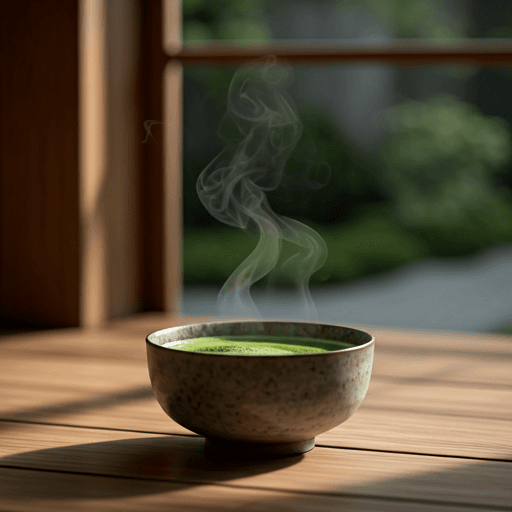
Hojicha vs matcha comes down to one thing above all: the roast. Both are Japanese green teas made from the same Camellia sinensis plant, yet hojicha is whole leaf and stem toasted over high heat until it turns reddish-brown, then steeped and strained like ordinary tea, giving a mellow, nutty, caramel-toned cup that is naturally low in caffeine. Matcha is shade-grown green leaf stone-ground into a vivid powder that you whisk into water and drink whole, so it is intense, grassy-sweet, umami-rich and much higher in caffeine.
That single fork — roasted leaf you brew and discard versus raw-green powder you whisk and swallow — shapes everything else about them: their color, their flavor, their caffeine and the moments they suit best. Here is the full picture, side by side.
Hojicha vs matcha: the short answer
If you only remember one line, make it this: matcha is the loud, bright, energizing one, and hojicha is the warm, toasty, calming one. Framed as matcha vs hojicha, the whole comparison is roasted versus unroasted, powder versus leaf, whisked versus steeped, and high caffeine versus low. Neither is a "better" tea — they are built for different moods, and plenty of tea drinkers keep both on the shelf for exactly that reason.
- Hojicha — roasted whole-leaf tea, amber-brown liquor, toasty and low in caffeine, steeped and strained.
- Matcha — shade-grown green powder, jade liquor, grassy and high in caffeine, sifted and whisked.
What each tea actually is
The core difference between hojicha and matcha starts with how the leaf is treated after it is picked. For a deeper dive on either tea on its own, see our guides to hojicha and matcha. Below is how they stack up against each other.
Hojicha: roasted whole-leaf tea you steep
Hojicha is usually made from later-harvest leaves, often along with stems and twigs, that are roasted in a drum or pan at high temperature. It is a leaf tea in the ordinary sense — you put loose leaf or a tea bag in hot water, let it infuse, and pour off the liquid, leaving the spent leaf behind. Because the roast mellows both the grassy notes and the caffeine, hojicha is often the Japanese tea poured for children or served with an evening meal.
Matcha: shade-grown leaf ground to a powder
Matcha begins in the shade. For a few weeks before harvest the plants are covered, which pushes up chlorophyll and the savory amino acids that give matcha its color and umami. The finest leaves are then steamed, dried, de-stemmed into a form called tencha, and stone-ground into an ultra-fine powder. Crucially, you do not steep and strain matcha — you whisk the whole powder into liquid and drink the leaf itself, which is why it delivers so much more of everything, caffeine included.
The roast that defines hojicha
Roasting is what makes hojicha, well, hojicha. High heat drives off moisture and triggers browning reactions that turn green leaf into something closer to toasted grain or roasted chestnut. Three things happen in that roaster:
- Color changes from green to reddish-brown, and the brewed cup follows — amber rather than jade.
- Flavor mellows into toasty, nutty, faintly sweet, caramel-like notes, with the vegetal edge of green tea largely roasted away.
- Caffeine drops, because the heat degrades some of it and the stemmy, later-harvest leaf used for hojicha starts lower to begin with.
Matcha goes the opposite way. Nothing is roasted; the shade-grown leaf is kept as green and as intact as possible, then ground so that you consume all of it. That is why matcha tastes vivid and slightly bitter-sweet while hojicha tastes round and comforting.
How you prepare them
Brewing hojicha
Hojicha is forgiving. Because the leaf is already roasted, near-boiling water will not scald it into bitterness the way it can with delicate green teas. A common approach is to steep a spoon of leaf, or a bag, in hot water for roughly 30 seconds to a minute, then strain. Good hojicha will re-steep a couple of times, and it also makes an easy iced tea or a cozy latte with steamed milk.
Whisking matcha
Matcha asks for a little ritual. Sift the powder to break up clumps, add a small amount of not-quite-boiling water, and whisk briskly — traditionally with a bamboo chasen — in a zig-zag motion until a fine foam forms. You drink the suspension before it settles. Because there is no straining, technique matters more than it does with hojicha: water that is too hot or a rushed whisk shows up quickly as bitterness or grittiness.
Taste and caffeine compared
On flavor, the two are almost mirror images. Hojicha is toasty, nutty, lightly sweet and low in astringency — an easy, mug-friendly cup. Matcha is concentrated: grassy and vegetal up front, with a savory umami depth and a sweet-bitter finish that lingers. Milk suits both, but for different reasons — it softens matcha's intensity and amplifies hojicha's caramel side.
Is hojicha lower in caffeine than matcha?
Yes, and clearly so. This is the practical headline for most people choosing between the two. A cup of hojicha typically carries only a small amount of caffeine, often well below that of a standard green tea, thanks to the roast and the stemmy leaf. A serving of matcha, by contrast, tends to sit much higher because you drink the whole ground leaf; the figures commonly cited fall in a broad range and vary a lot by grade, dose and how thick you make it. For the numbers and the caveats, see our note on matcha caffeine content. Amounts always shift with brand and preparation, so treat any single figure as a rough guide, and remember responses vary from person to person.
People often ask which is healthier, and the honest answer is that both are simply green tea in different forms. Because you consume the whole leaf, matcha delivers more of the compounds naturally found in green tea per serving, while hojicha offers a lighter, lower-caffeine cup that many find easy to drink all day. This is general information rather than medical advice.
Hojicha vs matcha comparison table
| Attribute | Hojicha | Matcha |
|---|---|---|
| What it is | Roasted whole leaf and stem | Shade-grown leaf ground to powder |
| Processing | Roasted over high heat | Steamed, dried, stone-ground (unroasted) |
| Color | Reddish-brown leaf; amber brew | Vivid green; jade brew |
| Form | Loose leaf or tea bags | Fine powder |
| Preparation | Steep in near-boiling water, then strain | Sift and whisk into water; no straining |
| Flavor | Toasty, nutty, caramel, low astringency | Grassy, umami, sweet-bitter, intense |
| Caffeine | Naturally low | High |
| Best time | Afternoon and evening | Morning or a focus boost |
| Re-steeps? | Yes, a couple of times | No — whisked fresh each time |
When to pick each
Reach for hojicha when you want warmth without the wire: an after-dinner cup, a tea to share with someone caffeine-sensitive, or a toasty latte on a cold evening. Its roast makes it endlessly easy — hard to over-brew, pleasant with or without milk, and gentle enough not to disrupt sleep for most people.
Reach for matcha when you want lift and depth: a morning bowl, a pre-work focus ritual, or a bright green latte. It rewards a little technique and a good whisk, and it delivers the caffeine and umami punch that hojicha deliberately dials down. Many people simply keep both — matcha for the start of the day, hojicha for winding down.
Both belong to the same family, and exploring one naturally leads to the other. If you want to see where they sit alongside sencha, gyokuro and genmaicha, our overview of Japanese tea types puts hojicha and matcha in context and shows just how much range a single tea plant can produce.