
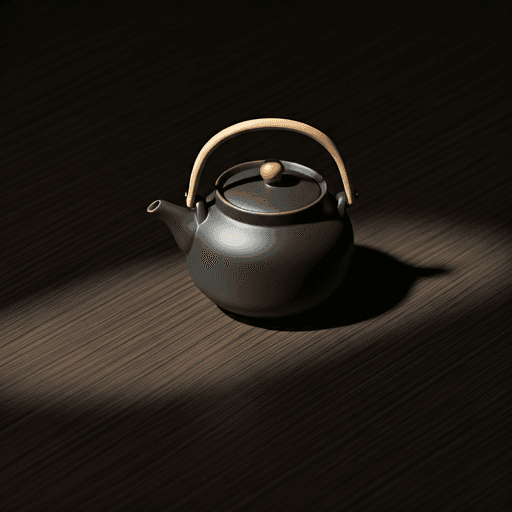
Hojicha is a Japanese green tea that has been roasted, usually over charcoal or in a hot pan, until the leaves turn reddish-brown and trade their grassy notes for a toasty, nutty, almost caramel-like flavor. It is still true tea from the Camellia sinensis plant, not an herbal infusion. The roasting is what makes it special: it leaves you with a mellow, low-bitterness cup that is naturally low in caffeine, which is why hojicha is popular in the evening and gentle enough that even children drink it in Japan.
If you have only ever met green tea as a bright, vegetal sencha, hojicha can be a surprise. It smells like toast and warm wood. It tastes round and soothing. And it is one of the easiest Japanese teas to brew well, because roasting forgives the hot water and long steeps that would turn a delicate green tea bitter.
What is hojicha?
Hojicha (also spelled houjicha, from the Japanese 焙じ茶, meaning "roasted tea") is roasted green tea made from the leaves and stems of the tea plant. While most Japanese green teas are steamed soon after picking and never roasted, hojicha takes already-processed green tea and roasts it a second time at high heat, typically somewhere between 150 and 200 degrees Celsius. That roast is the whole story. It darkens the leaf, drives off the fresh, grassy compounds, and develops the toasty, sweet, nutty character the tea is known for.
The result looks more like a light black or oolong tea than a green one. The dry leaf is brown and the brewed liquor is amber rather than green. But botanically it remains green tea, because the leaves were steamed (not allowed to oxidize) before they were roasted. Compared to other Japanese teas, hojicha is gentle, comforting, and unintimidating, which is exactly why it has spread well beyond Japan in lattes, soft-serve ice cream, and desserts.
How roasting changes the tea
Roasting transforms hojicha in three ways that matter to the cup:
- Flavor. The high heat replaces the vegetal, sometimes astringent notes of unroasted green tea with toasty, smoky-sweet, nutty and caramel tones. There is almost no bitterness.
- Color and aroma. The leaf turns reddish-brown and the brew pours a clear amber. The aroma is unmistakable: warm, roasty, a little like toasted grain or roasted chestnut.
- Caffeine. Roasting at high temperature reduces the caffeine in the tea, and many hojichas are made from stems, which carry less caffeine than leaves to begin with. The combination makes hojicha one of the lowest-caffeine true teas you can drink.
Is hojicha low in caffeine?
Yes. Hojicha is consistently one of the lowest-caffeine teas made from Camellia sinensis. Two things stack up in its favor. First, the roasting process itself lowers caffeine. Second, many hojichas are built on stems and twigs (see kukicha below), and stems hold far less caffeine than tender young leaves and buds.
That said, "low caffeine" is not the same as caffeine-free. Hojicha still contains some, so it is not a true alternative to a genuine caffeine-free herbal tea. What it offers is a real, warming tea you can enjoy late in the day without the jolt of coffee or a strong matcha. If you want the broader picture of how caffeine works across drinks, our guide to caffeine lays it out.
Hojicha leaf grades: bancha, sencha and kukicha bases
Hojicha is not a single grade of tea. It is a roasting style applied to several base teas, and the base it starts from shapes the final cup. The most common starting points are bancha, sencha and kukicha.
| Base tea | What it is | Character as hojicha |
|---|---|---|
| Bancha | A late-harvest green tea from larger, more mature leaves and stems; the traditional and most common hojicha base. | Everyday, mellow, full-bodied and toasty. The classic hojicha most people picture. |
| Sencha | A higher-grade green tea from earlier-picked leaves. | More refined and aromatic, often a touch sweeter and smoother. |
| Kukicha | "Twig tea" made from stems, stalks and twigs. | Light, sweet and especially low in caffeine, because stems carry so little. |
You will sometimes see these labelled directly, such as kukicha hojicha (a roasted stem tea) or a premium sencha-based hojicha. None is "better" in the abstract. A bancha hojicha is the cozy, everyday cup. A kukicha-based one is the lightest and gentlest. A sencha-based one is the most polished.
Hojicha powder versus loose-leaf hojicha
Hojicha comes in two main forms, and they are used differently.
Loose-leaf hojicha
This is whole roasted leaf and stem that you steep in hot water, then strain out, exactly like any other loose tea. It gives a clear amber brew and is the traditional way to drink hojicha as a plain, soothing cup.
Hojicha powder
Hojicha powder is roasted green tea stone-ground into a fine powder, so you whisk and drink the whole leaf rather than straining it out, much like matcha. Because you consume the entire leaf, hojicha powder gives a fuller body and deeper roasted color, and it is the form behind the hojicha latte trend. It blends smoothly into milk and is a natural base for lattes, ice cream and baking. Loose-leaf is for a clean steeped cup; houjicha powder is for lattes and anything where you want the tea suspended in milk.
The hojicha latte
The hojicha latte is the reason a lot of people first hear the word. It is to roasted green tea what the matcha latte is to matcha: a creamy, comforting milk drink with a toasty, caramel edge and only a little caffeine. Cafes around the world have added it to menus, often dusting the foam with extra hojicha powder.
To make one at home with powder:
- Sift about 1 to 2 teaspoons of hojicha powder into a bowl or wide cup to break up any clumps.
- Add a small splash (around 60 ml) of hot water at roughly 80 degrees Celsius and whisk briskly with a bamboo or small electric whisk until smooth and lightly foamy.
- Steam or warm your milk of choice (dairy or a barista oat or coconut milk works well) and pour it in.
- Sweeten lightly if you like; a little honey or syrup flatters the caramel notes. Dust the top with extra powder.
If you only have loose-leaf hojicha, brew a strong, concentrated steep and use it in place of the whisked powder, then top with milk. Either way, the roasted flavor stands up to milk far better than a delicate green tea would.
How to brew loose-leaf hojicha
One of the best things about hojicha is how forgiving it is. Delicate green teas like sencha and gyokuro demand cooler water and careful timing or they turn bitter. Hojicha does not. Roasting has already removed most of the compounds that cause bitterness, so it tolerates hotter water and a relaxed steep.
- Water temperature: hot, around 90 to 95 degrees Celsius. Near-boiling is fine, which makes it an easy office or travel tea.
- Leaf: roughly 1 to 2 teaspoons per cup, adjusted to taste.
- Steep time: short, about 30 seconds to 1 minute. Hojicha gives up its flavor quickly.
- Resteeps: good leaf will happily give two or three more infusions.
For the general method that applies across tea styles, see our guides on brewing loose-leaf tea and how to make tea.
How hojicha compares to other green teas
| Hojicha | Sencha (unroasted green) | Matcha | |
|---|---|---|---|
| Processing | Steamed, then roasted | Steamed, not roasted | Shaded, steamed, stone-ground |
| Color of brew | Amber / reddish-brown | Green to yellow-green | Vivid green |
| Flavor | Toasty, nutty, caramel, low bitterness | Grassy, fresh, vegetal | Rich, umami, intense |
| Caffeine | Low | Moderate | High |
| Brewing water | Hot (90-95°C) | Cooler (70-80°C) | Cooler, whisked |
All three start from the same plant; the differences come entirely from how the leaf is grown and processed. If you want to see where roasted green tea sits among the wider family, our guide to the types of tea maps out green, black, oolong, white and more.
Is hojicha good for you?
Hojicha is green tea, so it carries the same broad appeal as other green teas: it is a low-calorie drink with naturally occurring antioxidants, and its very low caffeine makes it easy to enjoy without overdoing stimulants. We cover the wider topic in our overview of green tea benefits. Treat hojicha as a pleasant, gentle beverage rather than a remedy, and enjoy it for what it does best: a warm, toasty, soothing cup.
The bottom line
Hojicha is proof that a single ingredient, roasted differently, can become a whole new pleasure. It is real Japanese green tea, transformed by fire into something cozy, nutty and low in caffeine, just as easy to steep loose as it is to whisk into a latte. If you love the comfort of a roasty cup but want something lighter than coffee, it is one of the most rewarding teas to keep on the shelf. From here, it is worth exploring its vivid green cousin in our guide to matcha, or wandering further into the tea hub to see what else the tea plant can do.