
Knowledge Base
Coffee & Tea Guides
Brew better and explore more — buying guides, how-tos, and explainers for every coffee and tea ritual.
Explainer
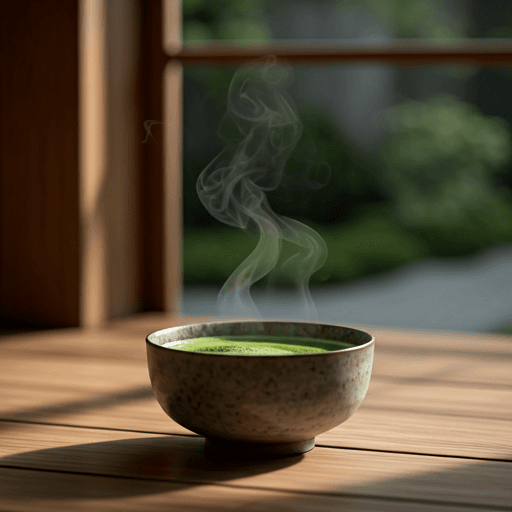
Does Passionflower Tea Have Caffeine?
No — pure passionflower tea is naturally caffeine-free, because it is a herbal tisane from the passionflower vine, not the caffeinated tea plant. Here is why, plus the one blend exception to check for on the label.
Explainer
Does Linden Tea Have Caffeine? What You Need to Know
Linden tea is naturally caffeine-free — a flower tisane from the Tilia (lime) tree, not the tea plant. Here's why it has none, the linden-versus-citrus-lime confusion, and the one blend exception to watch for on the label.
Explainer
Does Marshmallow Root Tea Have Caffeine?
Marshmallow root tea is naturally caffeine-free — it is a tisane from the root of Althaea officinalis, not the tea plant. Here is why it has no caffeine, the one blend exception to watch for, and why it is often cold-infused for its silky texture.
Explainer
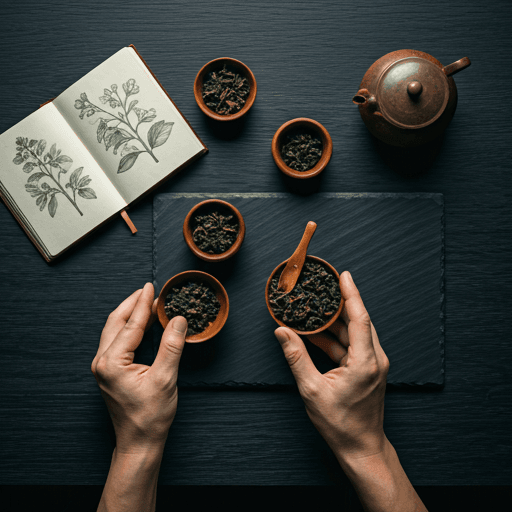
Does Lavender Tea Have Caffeine?
No — pure lavender tea is naturally caffeine-free, because it is a floral herbal tisane made from the flowers of Lavandula, not the tea plant. Here is why, the blends and lattes that change that, and why it suits an evening cup.
Explainer
Does Valerian Tea Have Caffeine?
Pure valerian tea is caffeine-free — it's a root tisane, not true tea. Here's why it has none, plus the one blend exception to watch for on the label.
Explainer
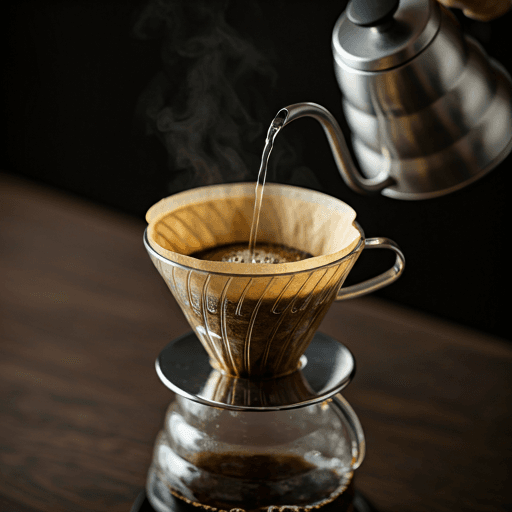
Nitro Cold Brew vs Cold Brew: What's the Difference?
Nitro cold brew and regular cold brew start as the exact same coffee. The only real difference is nitrogen, which turns cold brew into a creamy, cascading, stout-like drink poured straight from the tap.
Explainer
Batch Brew vs Pour-Over Coffee: What's the Difference?
Batch brew vs pour-over compared: an automatic drip machine makes coffee by volume and hands-free, while pour-over is hand-poured for clarity and control. Here's how they differ and which to choose.
Explainer
Cold Brew vs Cold Drip Coffee: What's the Difference?
Cold brew and cold drip are both made with cold water and no heat, but the method differs: cold brew steeps grounds for 12 to 24 hours while cold drip slowly drips water through them. Here's how each one tastes, the gear it needs, and which to choose.
Explainer
Latte Macchiato vs Latte: What's the Difference?
A latte macchiato is steamed milk stained with espresso; a latte is espresso topped with milk. See how build order, layering, ratio, strength and caffeine set them apart, and which to order.
Explainer
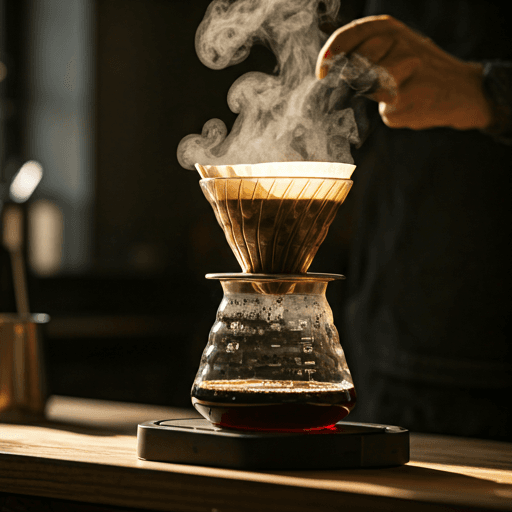
What Is a Cafe Cubano? Cuban Coffee, Explained
A cafe cubano is a small, strong Cuban espresso sweetened as it brews, whipped with sugar into a foamy espuma. Here is what it is, how it tastes, how it is shared, and how to make one.
Explainer
How Much Caffeine Is in an Americano?
An americano's caffeine is just its espresso shots: about 63-80 mg for a single and 125-160 mg for the double most cafes pour. The hot water dilutes strength, not caffeine — here is how it compares with drip, espresso and decaf.
Explainer
How Much Caffeine Is in a Cortado?
A cortado usually carries about 120-130 mg of caffeine when it is a double shot, or 65-80 mg for a single. The steamed milk adds none. Here is the breakdown.
Explainer
How Much Caffeine Is in a Macchiato?
The caffeine in a macchiato is just its espresso: about 63-80 mg from a single shot, 125-160 mg from a double, and roughly 120-150 mg for a big caramel macchiato. The milk and syrup add none.
Explainer
How Much Caffeine Is in a Mocha?
A mocha usually carries about 80-100 mg of caffeine on a single espresso shot, or 150-175 mg on a double — most from the espresso, with a little extra from the chocolate. Here is how the numbers add up, shot by shot.
Explainer
How Much Caffeine Is in a Flat White?
A classic flat white usually carries about 120-130 mg of caffeine because it is built on a double espresso, while a single-shot version sits nearer 65-80 mg and the milk adds none. Here is the hedged breakdown, a comparison table, and what changes the number.
Explainer
How Much Fennel Tea Should You Drink per Day?
For most healthy adults, about one to three cups of fennel tea a day is a comfortable amount. Because it is caffeine-free, here is what really sets your daily limit — and who should check with a doctor first.
Explainer
How Much Dandelion Tea Should You Drink per Day?
Roughly 1 to 3 cups of dandelion tea a day suits most healthy adults. It is caffeine-free, so there is no stimulant ceiling — here is what actually sets your amount.
Explainer
Does Holy Basil (Tulsi) Tea Have Caffeine?
Pure holy basil (tulsi) tea is naturally caffeine-free — it's a mint-family herbal tisane, not true tea. Here's why, the blended exceptions to check, and how to brew a cup any time of day.
Explainer
Does Rosemary Tea Have Caffeine?
No — pure rosemary tea is naturally caffeine-free. It is a herbal tisane made from the rosemary herb, not the Camellia sinensis tea plant, so you can sip it any time of day, including the evening.
Explainer
Does Thyme Tea Have Caffeine?
Pure thyme tea is a naturally caffeine-free herbal tisane made from the thyme herb, not the true tea plant. Here is why it has no caffeine, the one blend exception to watch for, how it tastes, and how to brew it for the evening.
Explainer
Yellow Tea vs Green Tea: What's the Difference?
Yellow tea and green tea start from the same leaf and the same early firing, but yellow tea adds one slow yellowing step. Here is how that changes the taste, colour and character of each cup.
Explainer
Earl Grey vs Lady Grey: What's the Difference?
Earl Grey vs Lady Grey compared: both are bergamot-scented black teas, but Lady Grey is a lighter, citrusy-floral twist on the bolder classic. Here is how they differ in flavour, strength, milk and caffeine.
Explainer
Keemun vs Lapsang Souchong: What's the Difference?
Keemun and Lapsang Souchong are both Chinese black teas, but Keemun is smooth, cocoa-rich and only faintly smoky while Lapsang Souchong is boldly pine-smoked. Here is how they compare on smoke, taste, milk, brewing and which to choose.
Explainer
Ceylon vs Darjeeling: What's the Difference?
Ceylon and Darjeeling are both prized high-grown black teas, but one is bright, brisk and citrusy while the other is light, floral and muscatel. Here is how they compare on flavor, body, milk, elevation, brewing and caffeine — and which to reach for.