
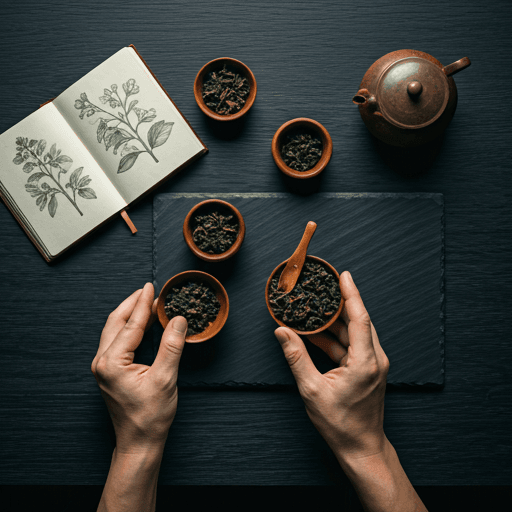
Does lavender tea have caffeine? No — pure lavender tea is naturally caffeine-free. It is a herbal tisane made from the dried flowers of the lavender plant (Lavandula), not from the tea plant Camellia sinensis that gives us green, black and oolong tea. Because the caffeine in true tea comes only from that one plant, a plain cup of lavender flowers carries none of it — which is a big part of why it is such a popular evening pour.
Does lavender tea have caffeine? The short answer
No. When people ask whether lavender tea is caffeine free, the honest answer for a straight, single-ingredient lavender infusion is a clear zero. Lavender "tea" is not really tea in the botanical sense at all — it is a tisane, an infusion of a plant that is not Camellia sinensis. Only the leaves and buds of the tea plant naturally produce caffeine, so a drink made purely from lavender flowers starts at zero and stays there. For the wider picture of how caffeine-free drinks are defined and where the rare grey areas sit, our guide to caffeine-free tea covers the basics.
Does dried lavender tea have caffeine?
No — drying does not add caffeine, and it was never there to begin with. Whether you brew fresh flowers from the garden or a spoonful of dried culinary lavender buds, the caffeine count is the same: zero. Drying only concentrates the aroma and colour of the flower; it changes nothing about caffeine, because the lavender plant simply does not make any. So culinary lavender, dried lavender buds and loose lavender tea are all naturally caffeine-free, as long as nothing else has been blended in.
Why there is no caffeine in lavender tea
The reason comes down to botany. Caffeine is a compound the tea plant makes in its own leaves and buds, which is why every true tea — green, black, white, oolong and pu-erh — carries at least some. Lavender is an entirely different, unrelated plant, a fragrant flowering shrub in the mint family, and its blossoms simply do not produce caffeine in the first place. When you steep dried lavender you are drawing out its aromatic oils and that unmistakable perfume, but there is no stimulant molecule in the flower to extract. That places lavender in the same easygoing group as chamomile, peppermint and rooibos — drinks we call "tea" out of habit even though they never touch a real tea leaf. If the distinction interests you, our explainer on what herbal tea is goes deeper into how tisanes differ from the true teas.
Lavender tea vs true tea: caffeine at a glance
The figures below are approximate per cup and vary with the leaf, the cut and the steeping time, so treat them as a rough guide rather than exact numbers. What does not vary is the lavender line: a single-flower brew is a flat zero.
| Drink | Plant source | Caffeine per cup (approx.) |
|---|---|---|
| Lavender tea (pure) | Lavender flowers (Lavandula) | None — caffeine-free |
| Green tea | Camellia sinensis | ~20-45 mg |
| Black tea | Camellia sinensis | ~40-70 mg |
| Lavender blended with black or green tea | Lavender plus true tea | Has caffeine — varies |
The one exception: lavender blends and lattes
So is lavender tea caffeine free? For a single-flower brew, yes, every time. The one situation where a "lavender tea" does carry caffeine is when something caffeinated has been added, so a quick glance at the label or the café menu is always worth it:
- Lavender and true-tea blends. Lavender is a favourite partner for black and green tea. An Earl Grey-with-lavender blend, or a lavender "London Fog"-style drink built on an Earl Grey base, both carry caffeine from the real tea — the lavender is just the aromatic top note.
- Lavender lattes. A café lavender latte is usually a lavender syrup stirred into espresso or whisked matcha, so its caffeine comes from the coffee or the matcha, not the flower. A honey-lavender latte on a coffee base is a caffeinated drink wearing a floral name.
- Bottled and bagged products. A ready-to-drink "lavender" iced tea or a relaxing blend can fold in green or black tea, guarana or another stimulant. The ingredient list is the only reliable guide, so read it rather than trusting the front of the pack.
The rule is simple: if you want zero caffeine, read the ingredients. If lavender (or Lavandula) is the only botanical named — or it sits only alongside other herbs like chamomile or mint — you are holding a caffeine-free cup. Any mention of green tea, black tea, Earl Grey, matcha or espresso means the caffeine in lavender tea is coming from whatever it was blended with, not from the flower itself.
What lavender tea tastes like
Lavender tea is floral and perfumed, faintly sweet with a cool, slightly herbaceous edge — the flavour follows the aroma almost exactly. Brewed gently it is soft and soothing; pushed too far it turns soapy and bitter, because the same oils that make it lovely become overwhelming in excess. The trick is a light hand: a small amount of buds and a short steep keep it fragrant rather than medicinal. Because there is no caffeine to worry about, over-steeping will not add a jolt — but it will spoil the flavour, so keep the brew brief and taste as you go. For the flower itself and how it is traditionally enjoyed, see our guide to lavender tea, and for step-by-step amounts and timings our walkthrough on how to make lavender tea keeps it simple.
Why people drink lavender tea in the evening
Because it is caffeine-free, lavender tea is an easy evening choice — there is simply nothing in a plain cup to keep you wired. Beyond that, many people find the aroma itself calming and reach for a warm mug as part of a wind-down routine, much the way they might with chamomile. It is best to treat that as comfort and ritual rather than medicine: the scent is pleasant and relaxing for a lot of people, responses vary from person to person, and this is not medical advice. What is not in question is the caffeine — an all-lavender brew will never add a stimulant to your night the way a cup of black or green tea might.
Who should be cautious
Lavender is a gentle, everyday flower for most people, and caffeine is not the concern here. Even so, herbs can interact with individual circumstances and medications. If you are pregnant or breastfeeding, live with a hormone-sensitive condition, already take a sedative or other regular medication, or have a known allergy to lavender or other mint-family plants, it is worth checking with your own healthcare provider before making it a daily habit. Again, individual responses vary and this is general information, not medical advice — a quick conversation with a professional who knows your history is the safest way to decide what is right for you.
The bottom line
Pure lavender tea is caffeine-free, full stop — it is a floral herbal tisane made from the flowers of Lavandula, not the tea plant, so there is no caffeine to speak of. The only cups that carry any are blends and lattes that quietly bring in true tea, matcha or coffee, which a glance at the label or the menu will always reveal. The lavender tea caffeine content of a single-flower brew is a flat zero, so you can steep it as long as you like. Keep the pour light and fragrant, and enjoy it for what it is: a soft, perfumed cup you can happily sip right up to bedtime.