
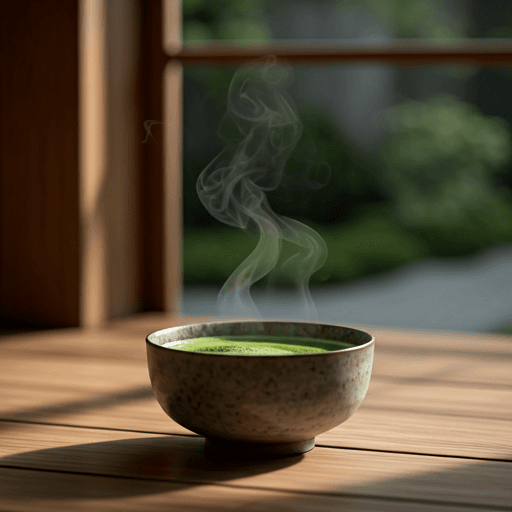
Does marshmallow root tea have caffeine? No — marshmallow root tea is naturally caffeine-free. It is a herbal tisane brewed from the dried root of the marshmallow plant (Althaea officinalis), a soothing demulcent herb, not from the tea plant (Camellia sinensis). Because caffeine is produced by the tea plant and only a handful of others, a pure marshmallow root infusion carries none at all.
If you are cutting back on caffeine, watching an evening cup, or simply want a gentle brew that will not keep you awake, marshmallow root is one of the easiest herbal choices to reach for. The only thing to check is the label, because a blend can change the picture — more on that below.
Does marshmallow root tea have caffeine? The short answer
The short answer is no: pure marshmallow root tea is caffeine-free. Strictly speaking it is not "tea" at all in the botanical sense — real tea (black, green, white, oolong and pu-erh) all comes from the leaves of a single plant, Camellia sinensis, which naturally makes caffeine. Marshmallow root comes from a completely different plant, and from a completely different part of it: the root. So the honest answer to "is marshmallow root tea caffeine free" is yes.
You will often see it labelled a tisane or a herbal infusion rather than a tea, and that wording is a useful clue. Tisanes are steeped plant material — roots, leaves, flowers, bark or seeds — that do not come from the tea plant, and the vast majority of them contain zero caffeine. Marshmallow root sits firmly in the caffeine-free tea category alongside cousins like chamomile, peppermint and rooibos.
Why there is no caffeine in marshmallow root tea
The reason there is no caffeine in marshmallow root tea comes down to plain botany. Caffeine is a compound that certain plants produce as a natural defense, most famously the tea plant and the coffee plant, along with a few others such as cacao, yerba mate and guarana. Marshmallow (Althaea officinalis) is simply not one of those plants. Nothing about the way the root is grown, dried or brewed introduces caffeine, so whether you steep it hot or cold, weak or strong, the caffeine content stays at zero.
This holds true for most genuine herbal infusions. If you want the wider picture on how tisanes differ from leaf tea, our overview of what herbal tea is walks through the plants involved, and our explainer on whether tea contains caffeine lays out why the Camellia sinensis family always does while the herbal world usually does not.
The one exception: marshmallow root blends and bottled products
There is really only one situation where marshmallow tea caffeine becomes a question worth asking, and that is blends. Marshmallow root is a popular base for "throat" and "cold-season" style products because of its coating texture, and some of those blends mix it with actual tea leaves or with other caffeinated botanicals. A blend that combines marshmallow root with green tea or black tea will carry the caffeine of those leaves, even though the marshmallow itself adds none.
The same applies to some ready-to-drink bottled soothers or "wellness" drinks, which may quietly add green tea extract, guarana or another caffeine source. The rule of thumb is simple:
- Pure marshmallow root (loose root, or a single-ingredient tea bag) — caffeine-free.
- A marshmallow root blend — read the ingredient list; if it names any true tea or a caffeinated herb, assume it has some caffeine.
- A bottled or powdered product — check the label for added tea or caffeine extracts before assuming it is caffeine-free.
For a quick sense of scale, here is how a pure cup compares with a few caffeinated options. All figures are approximate and vary a lot by brand, leaf and brewing.
| Drink | Approx. caffeine per cup |
|---|---|
| Marshmallow root tea (pure) | 0 mg |
| Marshmallow root plus green-tea blend | Some — comes entirely from the green tea |
| Green tea | ~30–50 mg |
| Black tea | ~40–70 mg |
| Brewed coffee | ~95 mg |
What marshmallow root tea tastes like (and why it is cold-infused)
Flavour-wise, marshmallow root is mild, earthy and faintly sweet — nothing like the fluffy confectionery that borrowed its name, though the old-fashioned sweet was once made from the plant. The signature is not really the taste but the texture: the root is rich in mucilage, a natural soluble fibre that turns silky and slightly slick in water, giving the brew a soft, coating mouthfeel that sets it apart from thin, clear tisanes.
That mucilage is also why marshmallow root is frequently cold-infused rather than boiled. Prolonged exposure to boiling water can break down the delicate mucilage, so a common method is to steep the root in cool or room-temperature water for several hours — even overnight in the fridge — then strain. If you prefer a hot cup, use just-off-the-boil water and a shorter steep to keep some of that silkiness. Our deeper guide to marshmallow root tea covers ratios, steep times and how to coax out that characteristic velvety texture.
Why people drink marshmallow root tea
Traditionally, marshmallow root has been valued as a gentle, coating herbal — the kind of soothing cup people reach for when they want something soft on a scratchy throat, or simply a calm, caffeine-free drink in the evening. The slick mucilage is the whole appeal: it feels comforting to sip. Keep expectations light and general here — enjoy it as a pleasant, soothing beverage rather than a remedy, and do not treat it as a cure or treatment for any condition.
Because it has no caffeine, there is no stimulant "cap" on when you can drink it. Morning, mid-afternoon or last thing at night are all fair game, which is a big part of why it is popular as a wind-down cup and why it turns up so often in bedtime and comfort blends.
Marshmallow root tea and your medications
One practical, non-medical point is worth knowing. The same mucilage that makes marshmallow root feel silky can form a soft coating along the gut, and that coating may slow how quickly your body absorbs other things taken at the same time — including medicines. A sensible habit is to space marshmallow root tea a couple of hours apart from any medication, so it does not interfere with absorption.
Beyond that, responses vary from person to person, and this is not medical advice. If you are pregnant or breastfeeding, managing diabetes, or taking any regular medication, check with your own healthcare provider before making marshmallow root tea a daily habit. Enjoyed occasionally as a caffeine-free drink, it is generally considered gentle, but your own circumstances always come first.
The bottom line
To close the loop: marshmallow root tea has no caffeine of its own, and the only caffeine you will ever find in your cup comes from something added to a blend. Read the label if you are buying a mixed or bottled product, brew the root cold or gently to keep its silky character, and enjoy it whenever the mood strikes — including well after the sun goes down.