
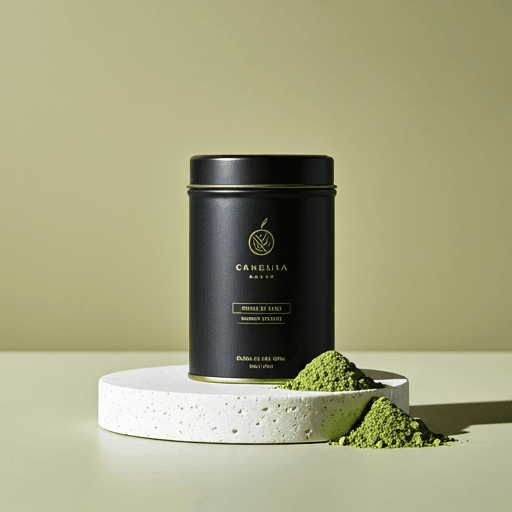
If you are wondering how much dandelion tea per day makes sense, the short answer is that roughly one to three cups a day is a common, comfortable amount for most healthy adults. Dandelion tea is a caffeine-free herbal tisane, so there is no caffeine ceiling to count toward — the sensible limit comes from the dandelion itself and how your own body handles it. As with any herb, responses vary from person to person, so treat the ranges below as a starting point rather than a prescription.
The short answer: how much dandelion tea per day suits most people
For most people, about one to three cups of dandelion tea per day is an easy, everyday amount. It is gentle, it is caffeine-free, and because there is no stimulant to keep you up, the timing is flexible. Some people happily sip a single cup with a meal; others spread two or three lighter cups across the day. There is nothing magic about the number three — it is simply where many casual drinkers land before the earthy, slightly bitter flavor (or their own digestion) tells them they have had enough.
If you are brand new to it, it is reasonable to start with one modestly brewed cup and see how you feel over a few days before making it a fixed daily habit. Herbal tisanes are food-like rather than dose-like, so listening to your body matters more than hitting an exact cup count.
There is no caffeine limit to worry about
The reason people fret over "how many cups" of coffee, black tea or green tea is caffeine — and dandelion tea simply does not have that constraint. Dandelion root and dandelion leaf come from the dandelion plant, not from Camellia sinensis, the shrub that gives us true tea. That means a cup carries essentially no caffeine, so it does not eat into the roughly 400 mg-a-day caffeine figure that general guidance uses for healthy adults.
Because it is caffeine-free, dandelion tea will not give you the jittery ceiling that limits how much coffee you can drink before bed. For the full picture on the caffeine question, see our dedicated explainer on whether dandelion tea has caffeine, and for the wider category of herbal, no-stimulant brews, our guide to caffeine-free tea covers the basics.
What actually sets the amount
If caffeine is off the table, two things really decide how much dandelion tea per day feels right for you: how strongly you brew it, and how your own body responds. A pale, quick steep is a very different cup from a long, dark simmer of roasted root, and a mug that suits one person may feel like too much for another.
The dandelion itself is the main thing to respect. Some people find that larger amounts sit less comfortably — a few notice a mild laxative or diuretic effect, or a slightly unsettled stomach — while others drink it daily with no issue at all. None of that is a reason to be alarmed; it is just the usual "start low, notice how you feel, adjust" approach that applies to most herbs. Keep it general: there is no need to chase a precise dose.
| Factor | How it changes how much dandelion tea suits you |
|---|---|
| Brew strength | A light, short steep is easy to drink several times a day; a long, dark simmer of roasted root is more concentrated, so one strong cup may be plenty. |
| Your own tolerance | Sensitive stomachs often prefer one weaker cup; seasoned herbal-tea drinkers may comfortably enjoy two or three. |
| Root vs leaf | Roasted root makes a bolder, coffee-like cup; the leaf is lighter and greener, which some find gentler to sip through the day. |
| Time of day | No caffeine means evening cups are fine — but a large late mug of any fluid can mean more trips to the bathroom overnight. |
| Medications or health conditions | If you take certain medicines or manage a health condition, your comfortable amount may be lower — ask your own healthcare provider (see the caution list below). |
Root vs leaf: two different cups
"Dandelion tea" actually covers two quite different drinks. Roasted dandelion root is the one often sold as "dandelion coffee" — deep amber, toasty and bitter, with a coffee-like character that makes it a popular caffeine-free stand-in for a mug of coffee. Dandelion leaf makes a lighter, greener, more herbaceous cup that leans grassy and slightly bitter rather than roasty.
The distinction matters for daily amounts mainly through strength and taste: a robust cup of simmered roasted root is more concentrated, so many people are content with one, while the milder leaf infusion is easy to enjoy across two or three lighter cups. Neither is "better" — it comes down to whether you want something coffee-like or something closer to a green herbal tea.
How to brew a cup of dandelion tea
Method is simple and shapes how strong — and therefore how much — your cup ends up being. For dried root, a gentle simmer works best: add a teaspoon or so of roasted root to a small pot of water, bring it to just off the boil and let it simmer for several minutes, then strain. The longer and hotter you go, the darker and more concentrated the result.
For dried leaf, treat it like most herbal tisanes: pour just-off-boil water over the leaf and steep for a few minutes, then strain. Steep longer for a stronger, more bitter cup, or pull it early for something lighter. You can add a little honey or a slice of lemon to soften the earthiness. For more on flavor, pairings and the plant itself, our overview of dandelion tea goes deeper than we do here.
When to drink dandelion tea
Because it is caffeine-free, timing is genuinely up to you — morning, midday or evening all work, and a warm cup after dinner will not keep you awake the way coffee might. Some people like roasted-root dandelion tea as a morning coffee alternative; others reach for the leaf infusion as a mellow evening wind-down. The only practical evening caveat is common to any drink: a large late mug means more fluid before bed, which for some people means an extra trip to the bathroom.
Who should be cautious
Dandelion tea is an everyday herbal drink for many people, but it is not right for everyone, and a daily habit is worth a quick conversation with a professional in some situations. Consider checking with your own healthcare provider before making dandelion tea a regular part of your routine if you:
- take diuretics ("water pills"), blood thinners, diabetes medication or blood-pressure medication;
- have gallbladder or kidney issues;
- have a known ragweed or related plant allergy (dandelion is in the same botanical family, so reactions are possible);
- are pregnant, breastfeeding or trying to conceive.
This is general information, not a set of medical claims — we are not saying dandelion tea treats, prevents or cures anything. Responses vary from person to person, and this is not medical advice. If you have a specific condition, take regular medication, or have any doubt, your own doctor or pharmacist is the right person to ask.
The bottom line
Roughly one to three cups of dandelion tea per day is a comfortable, caffeine-free habit for most healthy adults, with no stimulant ceiling to track — the real guide is how strong you brew it and how your body feels. Start modestly, favor the flavor and strength you enjoy, and scale to your own comfort. If you like the idea of gentle, no-caffeine daily brews, the same "listen to your body" logic applies to other tisanes — our look at how much hibiscus tea per day makes a useful companion read.