
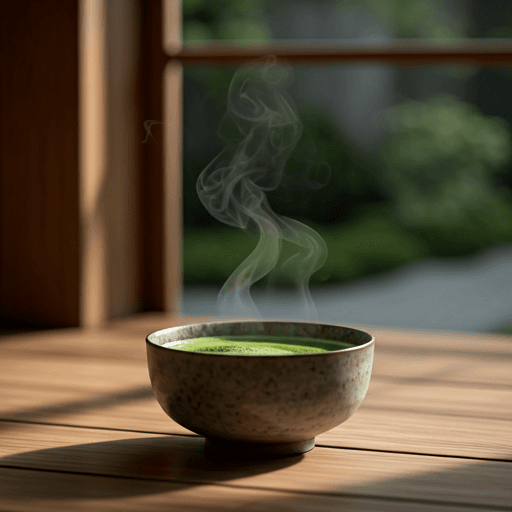
Does valerian tea have caffeine? No — a cup of pure valerian tea is naturally caffeine-free. It is a herbal tisane brewed from the root of the valerian plant (Valeriana officinalis), not from the tea plant (Camellia sinensis), so a straight valerian infusion carries no caffeine at all. The only realistic way any caffeine turns up is if valerian has been blended with real tea.
Does valerian tea have caffeine? The short answer is no
If you are reaching for valerian at night specifically to avoid a stimulant, you can relax: a plain valerian infusion is a caffeine-free tisane. The word tisane simply means any herbal brew that is not made from the tea plant, and valerian, being a root, falls squarely into that group. So yes, valerian tea is caffeine free in its pure form, exactly like chamomile, peppermint or rooibos. There is no hidden dose to worry about and no need to time your cup around bedtime the way you might with a real green or black tea. For the wider picture of which herbal brews carry zero caffeine and why, see our guide to caffeine-free tea.
Why doesn't valerian tea have caffeine?
Caffeine in the tea world comes from one plant only: Camellia sinensis, the evergreen shrub whose leaves become black, green, white and oolong tea. Every one of those true teas is naturally caffeinated because the leaf itself manufactures caffeine as a natural defense compound. Valerian is a completely different botanical, a flowering perennial harvested for its thick, aromatic root, and that root simply does not produce caffeine. There is nothing to steep out in the first place. This is the same reason nearly all root and flower tisanes come out caffeine-free: no tea leaf means no caffeine. So the amount of caffeine in valerian root tea is not merely low, it is zero. Our explainer on whether tea contains caffeine breaks down which drinks do and do not, and what herbal tea actually is covers how tisanes differ from true tea.
The one exception: valerian blends
Here is the only asterisk worth noting. Some products sold as valerian tea are not pure valerian at all, they are blends. A sleepy-time or bedtime blend often pairs valerian with other calming herbs such as chamomile, lemon balm or passionflower, all of which are themselves caffeine-free. But occasionally a wellness or relax blend adds green or black tea for body, or valerian appears in a bottled ready-to-drink product alongside true tea. In those cases the caffeine comes entirely from the added Camellia sinensis, never from the valerian. How much there is depends on how much real tea sits in the mix, so it varies from brand to brand.
The fix is refreshingly simple: read the label or ingredient list. If it lists only valerian root, plus perhaps other herbs and natural flavorings, your cup is caffeine-free. If you spot green tea, black tea, white tea or just the word tea in the ingredients, assume at least a little caffeine is present. When in doubt, a "caffeine-free" or "naturally caffeine-free" note on the box is your quickest signal that the valerian has not been cut with true tea.
| What you are actually drinking | Caffeine? |
|---|---|
| Pure valerian root tisane | None — caffeine-free |
| Valerian plus other herbs (bedtime blend) | Usually none — check the label |
| Valerian plus green or black tea | Some, from the added true tea |
| Bottled "valerian" drink with tea | Some — read the ingredients |
Does steeping valerian tea longer add caffeine?
A common worry is that brewing valerian stronger, hotter or for longer might somehow draw out caffeine. It cannot. Steeping time, water temperature and dose all change the flavor and how much of the root's aromatic and active compounds end up in your cup, but none of them can create a molecule that was never in the plant. A long, murky, intensely earthy brew of pure valerian is exactly as caffeine-free as a quick, gentle one. The only thing a longer steep changes here is taste and strength, not the valerian tea caffeine content.
Valerian vs true tea: the caffeine gap
To put the gap in perspective, a typical cup of black tea carries very roughly 40 to 70 milligrams of caffeine and a cup of green tea somewhere around 20 to 45 milligrams, though both vary widely with the leaf, strength and steep time. A cup of pure valerian tea carries none. That is the whole appeal for people who want a warm, flavorful evening drink without anything that might interfere with winding down. If you are tracking your intake across the day, valerian is one of the easy wins: it adds flavor and ritual without adding to your caffeine tally.
What valerian tea tastes like
Valerian is famously polarizing. The aroma is earthy, musky and woody, and it can be genuinely pungent — some people describe it as warmly rooty and grounding while others find it distinctly funky. The flavor follows the smell: deep, savory, faintly bitter and nothing like a bright, floral tisane. It is very much a love-it-or-hate-it root. Many drinkers soften it with honey, a squeeze of lemon or a companion herb like mint, or reach for a blend precisely to tame that raw intensity. For a fuller look at sourcing, brewing and what to expect from the root itself, see our valerian root tea guide.
Why people drink valerian tea in the evening
Valerian has a long history as an evening herb. Traditionally it has been sipped in the wind-down hours before bed, and plenty of people simply find the warm, earthy cup soothing as part of a night-time routine. Because it is caffeine-free, it slots into that evening spot naturally, with no stimulant to leave you wired at midnight. We are keeping this deliberately light: valerian is not a switch that guarantees a particular outcome, individual responses vary a great deal, and this is not medical advice. Treat it as a comforting ritual rather than a remedy.
Is valerian tea a good caffeine-free swap in the evening?
If you usually reach for something warm after dinner but want to leave caffeine behind, valerian is one option among many. It is bolder and more divisive than gentle picks like chamomile or lemon balm, so it suits people who genuinely enjoy a deep, rooty flavor or who want a strong-tasting alternative to their usual brew. Others prefer to keep valerian as an occasional choice and rotate it with milder herbal teas. Whatever you pick, the caffeine story is the same across pure tisanes: there is none to worry about, so you can choose purely on taste and on how the cup makes you feel.
Is valerian tea safe to drink?
For most people an occasional cup is unremarkable, but valerian is more active than a plain fruit tisane, so a handful of sensible cautions apply. Because it is traditionally used as a calming herb, be careful about casually stacking it with sleep or anxiety medication or other sedatives. If you are pregnant or breastfeeding, scheduled for surgery, taking any regular medication, or have liver concerns, check with your own healthcare provider before making valerian a habit. Everyone's tolerance is different, so if you are new to it, start with a small, weak cup and see how you feel. Once more, responses vary, and none of this is medical advice.
So the caffeine question has a clean answer: pure valerian tea is caffeine-free, full stop, because it is a root tisane rather than a true tea. The only caffeine you will ever meet in a valerian cup is borrowed from real tea in a blend, which a quick glance at the ingredient list will always reveal. Brew it for the earthy, grounding ritual, keep your wellness expectations modest, and enjoy a cup that will never keep you up on caffeine alone.