
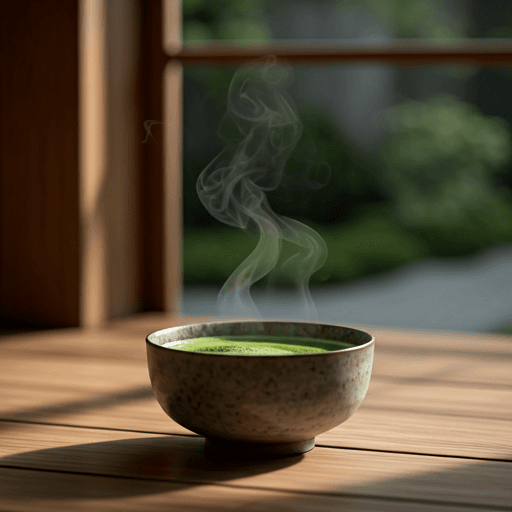
Does linden tea have caffeine? No — linden tea is naturally caffeine-free. It is a gentle herbal tisane brewed from the dried flowers and papery bracts of the linden tree (also called lime or basswood), part of the Tilia genus, rather than from the tea plant, Camellia sinensis. Because only the true-tea plant naturally produces caffeine, a pure cup of linden blossom holds essentially none.
That makes linden a caffeine-free choice you can pour any time of day. Below we unpack why it carries no caffeine, clear up the confusing "lime" name, flag the single exception to check for on a label, and touch lightly on why so many people keep it for the evening.
Does Linden Tea Have Caffeine? The Short Answer
The short answer is no. Linden tea — sold as linden, lime-flower, or basswood tea depending on where you are — is a tisane: an infusion of a plant that is not the caffeinated tea bush. It is made from the flowers and the leaf-like bract of the Tilia tree, and none of those parts naturally contain caffeine. So if you have been asking "is linden tea caffeine free," you can pour a cup without counting it toward your daily caffeine at all.
This puts linden in the same broad family as chamomile, peppermint, and rooibos: herbal infusions that skip caffeine entirely. If you want the wider picture of which cups are naturally stimulant-free and why, our guide to caffeine-free tea explained lays out the whole category.
Why There Is No Caffeine in Linden Tea
Caffeine is a compound that a small number of plants make on their own — most famously Camellia sinensis, the single species behind black, green, white, oolong, and pu-erh tea. When a plant is not Camellia sinensis, it does not carry tea's caffeine unless something caffeinated is deliberately added. Linden comes from an entirely different tree, so there is simply no caffeine in linden flower tea to begin with.
This is the defining feature of a herbal tea, or tisane: it is brewed from flowers, leaves, roots, bark, seeds, or fruit that grow outside the tea plant. Our explainer on what herbal tea is walks through how these infusions differ from "real" tea, and our overview of whether tea contains caffeine shows why the true-tea leaf is the one that actually delivers a jolt. Linden sits firmly on the caffeine-free side of that line.
| Cup | Comes from | Caffeine |
|---|---|---|
| Linden (lime-flower) tea | Tilia tree flowers and bracts | None — caffeine-free |
| Black or green tea | Camellia sinensis leaves | Yes — naturally caffeinated |
| Linden + true-tea blend | Tilia plus tea leaf | Some — from the added tea |
Linden vs Lime: Clearing Up the Confusing Name
Here is the point that trips up almost everyone shopping for "lime flower tea": the "lime" in linden has nothing to do with the green citrus fruit. Linden trees are known in Britain and parts of Europe as "lime trees," and their blossoms are sold as "lime flowers" or "lime-blossom tea." That is an old naming coincidence — the word traces back to "lind," not to the sour citrus.
So when you see lime flower tea on a shelf, expect a soft floral cup, not anything tart or citrusy. Other names you might spot for the very same thing include basswood tea (common in North America) and tilleul (its French name). Whatever the label calls it, the caffeine answer is identical: a pure Tilia infusion has none. Different word, same caffeine-free flower.
The One Exception: Linden Blends
The only way a "linden tea" ends up with caffeine is if it is a blend — linden flowers mixed with actual tea leaf, or a formula that folds linden into a black or green base. Some relaxing or "evening" blends pair linden with other botanicals, and a few bridge into true tea for extra body. In those cases the caffeine comes entirely from the added Camellia sinensis, not from the linden itself.
This is easy to manage: read the ingredient list. If it names only linden or lime flowers (perhaps alongside other herbs such as chamomile, mint, or elderflower), it stays caffeine-free. If it lists "black tea," "green tea," or "tea leaves," expect some caffeine. When in doubt, a single-ingredient linden or a bag that reads "caffeine-free" or "herbal infusion" removes the guesswork.
What Linden Tea Tastes Like
Linden is prized for how delicate it is. Brewed gently, it is light, floral, and softly honeyed, with a faint sweetness and a hint of something almost green and grassy underneath. It is not bold or brisk the way a malty black tea is — think closer to a mellow flower infusion you can sip slowly.
Because those aromatics are fragile, linden rewards a gentler hand: water just off the boil and a modest steep tend to keep it fragrant rather than muddy or bitter. Covering the cup or pot while it steeps helps hold in the volatile floral notes. For a fuller look at the flower, how to brew it, and how people enjoy it, see our companion guide to linden tea benefits and uses.
Why People Reach for Linden in the Evening
Linden has a long history as a warming, comforting cup, and many people traditionally keep it for the evening or before bed. A large part of the appeal is practical: because it is caffeine-free, it will not add to your caffeine load late in the day the way a black tea or a coffee might. That alone makes it an easy default for a calm wind-down ritual.
Plenty of drinkers simply find a mug of something warm and floral soothing at the end of the day — a moment to slow down rather than a functional dose of anything. We are keeping this light on purpose: linden's evening reputation is cultural and comforting, and responses vary from person to person. This is general information, not medical advice, so treat any wellness claim you read about it with a healthy dose of skepticism.
A Quick Safety Note
For most people an occasional cup of linden is an easygoing, caffeine-free drink. That said, herbs are not one-size-fits-all. If you have a heart condition, are pregnant or breastfeeding, take regular medication, or have known allergies, it is worth checking with your own healthcare provider before making linden a habit — they can weigh it against your specific situation far better than any article can. As always, responses vary from person to person, and this is general information rather than medical advice.
The Bottom Line
Linden tea does not contain caffeine. It is a herbal tisane from the flowers of the Tilia (linden or lime) tree — a different plant entirely from the caffeinated tea bush — so a pure cup gives you a soft, floral, caffeine-free drink at any hour. The only thing to watch is a blend that sneaks in real tea leaf, which is a quick label-check away. Beyond that, linden is exactly what it looks like: a gentle flower in a mug, and nothing to keep you up at night.