
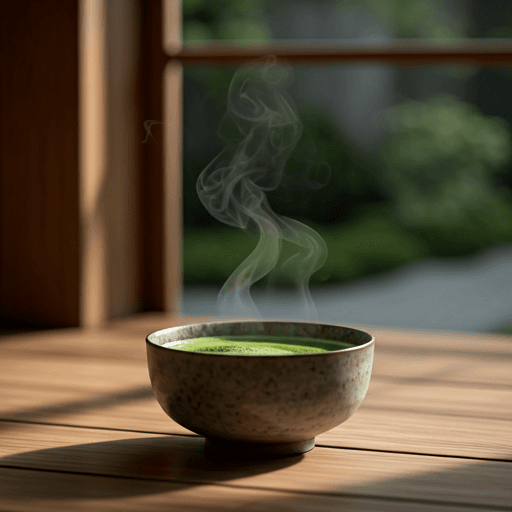
No — passionflower tea does not have caffeine. So does passionflower tea have caffeine in any meaningful amount? In its pure form, none at all: passionflower tea is a herbal tisane brewed from the leaves and flowers of the passionflower vine (Passiflora incarnata), not from the tea plant (Camellia sinensis) that gives black, green and oolong tea their caffeine. That single botanical difference is the whole answer, and it is why passionflower is often reached for as an easy, no-buzz evening cup.
Does passionflower tea have caffeine? The short answer
Yes — pure passionflower tea is caffeine free. Because it comes from a flowering vine rather than from tea leaves, there is simply no caffeine in the plant to steep into your cup. In the world of hot drinks, the word "tea" gets used loosely for two very different things: true tea, which always comes from Camellia sinensis and always carries some caffeine, and herbal tea, which is really an infusion of other plants — flowers, leaves, roots, seeds or bark — and is usually caffeine-free. Passionflower sits firmly in the second group. If you want the fuller picture of how these plant infusions differ from leaf tea, our guide to caffeine-free tea explained lays out which drinks belong in each camp.
The correct name for a caffeine-free plant infusion like this is a tisane. Calling it "passionflower tea" is perfectly normal shorthand, but keeping the tisane idea in mind is the quickest way to remember why it has no caffeine to begin with.
Why there is no caffeine in passionflower tea
Caffeine is a compound that only a handful of plants produce naturally, and the tea plant is one of them. When you brew black, green, white or oolong tea, you are extracting caffeine that the Camellia sinensis leaf made while it was growing. Passionflower is a completely unrelated botanical — a climbing vine grown as much for its dramatic flowers as for its calming leaves — and it does not manufacture caffeine at all. So there is no caffeine in passionflower tea for the water to pull out, no matter how long or how hot you steep it. Steeping harder only makes the cup stronger in flavor, never in caffeine.
This is the same reason most flower-, leaf- and root-based infusions are naturally caffeine-free, a point we cover in our overview of what herbal tea is. If you would like to see exactly which "teas" do and do not carry caffeine and why, our explainer on whether tea contains caffeine walks through the true-tea-versus-tisane split in more detail.
Not to be confused with guarana
One helpful clarification: passionflower is sometimes lumped in with other "exotic" botanicals like guarana, and the two can get mixed up simply because both sound unusual. They are not related, and the caffeine story could not be more different. Guarana seeds are famously caffeine-rich and turn up in energy drinks precisely for that jolt. Passionflower is the opposite — a caffeine-free vine with a gentle, mellow character. If a product mentions "passion" in the name, read the ingredients rather than assuming, because a passion-fruit-flavored energy drink is a world away from a cup of passionflower tisane.
The one exception: blends with added true tea
The only time a "passionflower tea" carries caffeine is when it is not pure passionflower. Many relaxing or bedtime blends pair passionflower with other calming herbs — chamomile and lemon balm are common companions — and those stay caffeine-free. But some blends add a base of real green or black tea for flavor and body, and that Camellia sinensis brings caffeine with it. A "sleepy" or nighttime blend can also occasionally include a true-tea element, which is worth a second glance if you are steeping it in the evening.
The rule of thumb: pure passionflower is caffeine-free, but a passionflower blend depends entirely on what else is in the bag. When in doubt, read the ingredient list. If Camellia sinensis, "green tea," "black tea" or simply "tea" appears alongside the passionflower, expect a small amount of caffeine; if you see only passionflower, flowers and other herbs, you are in the clear. Loose passionflower on its own is always the safest bet for a genuinely caffeine-free cup.
| What you are drinking | Caffeine? |
|---|---|
| Pure passionflower tisane (leaves and flowers) | None — naturally caffeine-free |
| Passionflower + chamomile / lemon balm blend | Still caffeine-free (all herbal) |
| Passionflower + green or black tea blend | Some caffeine, from the true tea |
| Guarana (a different botanical entirely) | High caffeine — not the same plant |
What passionflower tea tastes like
Passionflower makes a soft, subtle cup. The flavor is mild and gently grassy, with a slightly earthy or hay-like note and a faint floral lift — nothing sharp, bitter or tannic like a strong black tea. Because the character is so understated, it takes very well to blending, which is part of why you so often find it partnered with more aromatic herbs that give it a little more presence. On its own it is delicate and clean, an easy sipper rather than a bold statement. If you want to dig into the plant itself and how people use it, our guide to passionflower tea and its traditional uses goes further into the details.
To brew it, steep about a teaspoon or two of the dried herb (or a tea bag) in freshly boiled water for around five to ten minutes, covered to hold in the aroma. A touch of honey or a slice of lemon rounds out the mild flavor nicely, though it is perfectly pleasant plain.
Why people reach for it in the evening
Passionflower has a long history as an evening or before-bed herbal, which is exactly why its caffeine-free nature matters so much to the people who drink it. A relaxing wind-down ritual works best without a stimulant, and a naturally caffeine-free tisane fits that moment far better than a cup of black tea would. That is also why it shows up in so many "nighttime" and "calm" blends alongside chamomile and lemon balm — herbs people traditionally associate with unwinding.
Many people simply find a warm, caffeine-free cup soothing at the end of the day, and passionflower's mild flavor makes it an unobtrusive companion for that. We are talking here about a comforting ritual rather than any medical effect — passionflower is not a treatment or a sleep aid, and individual experiences vary widely from one person to the next.
A light safety note
Because passionflower is caffeine-free, caffeine sensitivity is not the thing to weigh here — but a few general cautions are still worth mentioning. If you are pregnant or breastfeeding, take sedative or sleep medication, take anything for anxiety, or are heading into surgery, it is sensible to check with your own healthcare provider before making passionflower a regular habit, and to avoid casually combining it with sleep or calming medications. As with any herb, some people can be sensitive to it, so start modestly and see how you feel.
Responses vary from person to person, and none of this is medical advice — for anything specific to your health, medications or pregnancy, ask a qualified healthcare professional rather than relying on a general guide.
The bottom line on passion flower tea caffeine
Pure passionflower tea has no caffeine, full stop. It is a herbal tisane from a flowering vine, not a product of the caffeinated tea plant, so a cup of it will not keep you up the way tea or coffee might. The only caffeine to watch for comes from blends that quietly fold in real green or black tea — a quick look at the label settles it every time. For an unhurried, no-jitters cup that suits a slow evening, straight passionflower is about as gentle as the tisane shelf gets.