
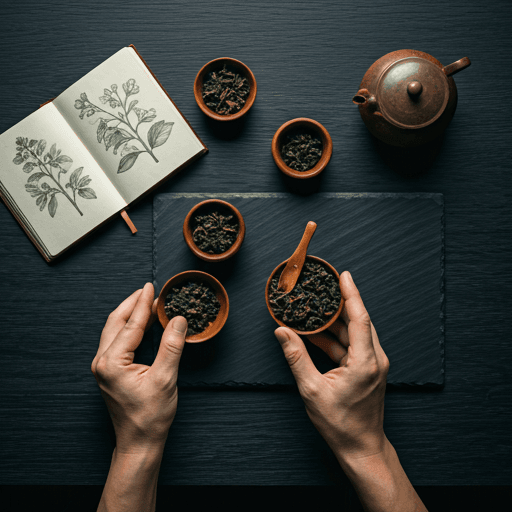
Passion flower tea is a gentle, grassy herbal infusion made from the dried leaves, stems and flowers of Passiflora incarnata, traditionally sipped to calm the mind and ease into sleep. It is one of the better-studied calming herbs in the Western herbal tradition, yet the human evidence is still limited and mixed, so it is best thought of as a soothing bedtime ritual rather than a guaranteed remedy. Below is a plain-spoken look at what passionflower tea is, why people reach for it, how to steep a good cup, and who should be careful with it.
What is passion flower tea?
Passionflower is a climbing vine native to the Americas, instantly recognizable by its dramatic fringed blooms of purple, white and blue. The species most often used for tea is Passiflora incarnata, sometimes called maypop. The whole above-ground plant — the leaves, tendrils, stems and flowers, known as the aerial parts — is harvested and dried, then steeped in hot water. You will sometimes see it labeled simply as passiflora tea or tucked into a "calming" or "night-time" blend where it is combined with other herbs.
The flavor is mild and green: grassy, faintly hay-like and a touch earthy, with none of the bitterness of black or green tea. That is because passionflower tea is not made from the tea plant (Camellia sinensis) at all. Like most true herbal infusions, it is naturally caffeine-free, which is a big part of why it has become a popular evening drink. If you want the wider picture of how tisanes like this differ from actual tea, our guide on what herbal tea is lays out the basics.
What passionflower tea is used for
Passionflower has a long history in traditional Western herbalism as a nervine — a plant used to soothe the nervous system. Modern interest centers on three overlapping ideas, and it is worth being honest that the research behind each is early-stage and inconsistent rather than settled.
Easing anxiety and restlessness
The most-studied use of passionflower is for everyday nervous tension and restlessness. A handful of small human trials have suggested it may take the edge off mild anxiety, and some researchers think it works by nudging GABA activity, a calming signaling system in the brain. That said, the studies are small, often use concentrated extracts rather than a simple cup of tea, and do not all point the same way. The passion flower tea benefits here are best described as gentle and subjective, not a treatment for an anxiety disorder.
Supporting sleep and winding down
Passionflower turns up in countless bedtime blends, and a few small studies have reported modestly better subjective sleep quality when people drank it before bed. The effect appears mild, and much of the value may simply be the calming routine of a warm, caffeine-free drink at the end of the day. If sleep is your main goal, it is worth reading our roundups of the best herbal teas for sleep and how to build a wider herbal tea routine for relaxation, where passionflower sits alongside several other options.
Calming a busy mind
Beyond formal studies, many people simply drink passion flower tea to quiet racing thoughts before bed or during a stressful stretch. This is traditional use rather than proven pharmacology, but a low-risk, pleasant ritual has real value in its own right — just keep your expectations realistic.
Passion flower tea benefits: what the evidence shows
Here is a balanced summary of the common reasons people drink it and where the science actually stands. None of this is medical advice or a promise of results.
| Traditional use | What the evidence shows |
|---|---|
| Easing mild anxiety and nervous tension | Some small human trials suggest a modest calming effect; the evidence is limited, mixed and often based on extracts, not a plain cup. |
| Falling asleep and better sleep quality | A few small studies report slightly improved subjective sleep; the effect looks mild and may overlap with a soothing bedtime routine. |
| Quieting a busy or racing mind | Long-standing traditional use as a nervine; formal evidence is thin, but it is a low-risk way to wind down. |
| Everyday relaxation | Frequently blended with chamomile or lemon balm for a pleasant, caffeine-free ritual; the benefit is largely subjective and personal. |
The honest headline: passionflower is one of the more promising calming herbs, but the human research is still small and inconclusive. Treat any strong "cure" or "clinically proven" marketing with healthy skepticism.
How to steep passionflower tea
Brewing it is simple, and getting the water and time right makes the difference between a flat cup and a fragrant one.
- Measure. Use roughly one teaspoon of dried aerial parts per cup, or one tea bag if you are using a pre-packed blend.
- Heat the water. Bring water to just off the boil — a gentle stop rather than a violent rolling boil — so you do not scorch the delicate herb.
- Cover and steep. Pour the water over the herb, cover the cup or pot with a lid or saucer (this traps the aromatic oils) and steep for 5 to 10 minutes. A longer steep gives a stronger, earthier cup.
- Strain and sip. Strain out the loose herb, add a little honey or lemon if you like, and drink it warm. Many people enjoy it in the hour before bed.
Passionflower plays beautifully with other calming herbs. It blends especially well with chamomile for a softer, apple-sweet cup, or with lemon balm for a brighter, citrusy one. If you prefer it iced, brew it a little stronger, let it cool and pour it over ice.
Safety, cautions and who should avoid it
This is the part that matters most. Passionflower tea is generally considered gentle for healthy adults in ordinary amounts, but it is not risk-free, and it is not right for everyone. Read this section before you make it a habit, and talk to a doctor or pharmacist if anything below applies to you.
- It can make you drowsy. Passionflower's whole appeal is that it calms and relaxes, so it can cause sleepiness. Do not drive, operate machinery or do anything that needs full alertness after drinking it.
- Do not combine it with sedatives or alcohol. Because it can add to a sedative effect, avoid pairing passionflower with sleeping pills, anti-anxiety medication, other sedating drugs or alcohol. Combining them could leave you excessively drowsy.
- Avoid it in pregnancy. Passionflower may stimulate the uterus, so it is generally advised to avoid it while pregnant. It is also best avoided while breastfeeding unless a clinician says otherwise.
- Pause before surgery. Because it affects the nervous system, stop drinking it in the weeks before a scheduled operation, since it could interact with anesthesia and other medication — follow your surgical team's guidance.
- Check with a doctor if you take medication. If you are on any prescription medicine — especially anything for anxiety, sleep, blood pressure or blood thinning — or you have a health condition, get personalized advice before drinking it regularly.
- Watch for allergies. As with any botanical, some people can react to it. Stop if you notice a rash, swelling or any unusual symptoms.
None of this is a reason to fear a single cup, but it is a reason to be thoughtful. Passionflower tea is a relaxing drink, not a medicine, and it should never replace advice or treatment from a qualified healthcare professional.
The bottom line
Passion flower tea earns its place on the shelf as a mild, caffeine-free, comforting way to signal to your body that the day is winding down. The evidence that it eases anxiety or improves sleep is real but modest, so enjoy it for what it reliably delivers — a fragrant, low-stakes ritual — rather than for miracles it has not been shown to perform. Steep it gently, respect the safety notes, and let it be one small, pleasant part of a calmer evening.