
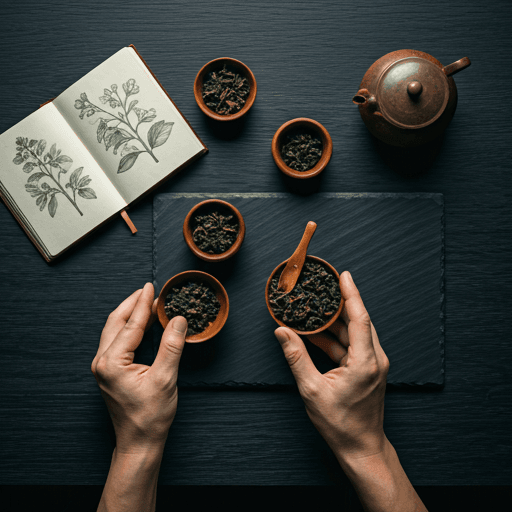
A warm, caffeine-free cup is one of the simplest ways to unwind, and a relaxing herbal tea is exactly that: a gentle, screen-free ritual paired with herbs long reached for to ease everyday stress. Chamomile, lemon balm, lavender, passionflower, tulsi (holy basil) and mint are the classics, traditionally used to help the body slow down and signal that the day is winding to a close. Part of the effect is the herb; part is the calm of simply sitting with something hot in your hands.
This guide covers the main calming teas, what each is traditionally associated with, how to brew for relaxation, and the honest cautions worth knowing. None of it is medical advice, and the evidence for most of these herbs is modest or traditional rather than proven, so we keep the language hedged on purpose.
What makes a relaxing herbal tea work
Two things are happening at once. The first is the ritual. Stopping, boiling water, and drinking something warm and unhurried is a wind-down cue in its own right. It slows your breathing, pulls you away from screens, and marks a boundary between a busy day and rest. Many people find that a nightly cup becomes the most reliable part of the routine, almost regardless of which herb is in it.
The second is the herbs themselves. A true herbal tea is a tisane, not tea from the Camellia sinensis plant, so most of these blends are naturally caffeine-free, which matters when the goal is a herbal tea for relaxation rather than a pick-me-up. Several of these plants are traditional nervines or gentle relaxants, and a few have small studies behind them. The honest summary: they may take the edge off ordinary tension for some people, but they are not sedatives, and results vary by person, brew strength and brand.
The main calming herbal teas
Here is a quick map of the herbs most often reached for as a calming herbal tea, what tradition uses each for, and one thing to know about each.
| Tea | Traditionally used for | Good to know |
|---|---|---|
| Chamomile | Easing tension, winding down | Contains apigenin; also soothes digestion; ragweed-family allergy caution |
| Lemon balm | Everyday stress, restlessness, low mood | Mint-family, bright and lemony; pairs well with chamomile |
| Lavender | A calm, aromatic wind-down | Use culinary lavender; a little goes a long way or it turns soapy |
| Passionflower | Nervous tension, restlessness | Thought to support GABA activity; evidence is limited; avoid in pregnancy |
| Valerian | Deep relaxation before bed | Stronger and sedating; can cause drowsiness (mind driving); earthy smell |
| Tulsi (holy basil) | Stress resilience, everyday calm | Ayurvedic adaptogen; clove-peppery; may lower blood sugar; avoid in pregnancy |
| Peppermint / spearmint | Easing tension, a settled stomach | Refreshing rather than sedating; a good daytime calm |
Chamomile
Chamomile is the household name in this category, and for good reason: it is mild, floral, widely available and gentle enough for most people. It contains a compound called apigenin that is often linked to a mild calming effect, and the same relaxing quality is traditionally used to settle the stomach. If you only keep one calming tea in the cupboard, this is usually it. One caution: chamomile is in the daisy/ragweed family, so skip it if you have that allergy. Our chamomile tea explainer goes deeper on types and brewing.
Lemon balm
Lemon balm is a lemon-scented member of the mint family that has been used for centuries to lift mood and ease everyday stress and restlessness. Small studies suggest it may promote a feeling of calm, though researchers note more work is needed on dose. It is bright and pleasant, and it blends beautifully with chamomile for a rounder, softer cup. See our lemon balm tea guide for more.
Lavender
Lavender brings an aromatic, almost spa-like quality, and its scent alone is associated with relaxation for many people. A little goes a long way; too much and the cup turns soapy or bitter, so use culinary-grade lavender and a light hand, or a blend where lavender is a supporting note rather than the star.
Passionflower
Passionflower (maypop) is a traditional nervine thought to support calming GABA activity in the brain, and it is often used for nervous tension and restlessness. The clinical evidence is still limited and mixed, so treat it as a gentle, traditional option rather than a sure thing. Pregnant and breastfeeding readers should avoid it.
Valerian
Valerian is the strong one. It has a long history for deep relaxation and is genuinely sedating for many people, which is why it leans more toward bedtime than a mid-afternoon reset. That strength comes with real cautions: it can cause drowsiness, so do not drink it before driving or operating machinery, and it can interact with some medications. Its earthy, almost gym-sock aroma is also an acquired taste. Because valerian is really about falling asleep, we hand that job to the dedicated sleep guide below.
Tulsi (holy basil)
Tulsi, or holy basil, is native to the Indian subcontinent and sacred in Ayurvedic tradition, where it is treated as an adaptogen said to help the body cope with stress. Early research is promising but preliminary, and it may lower blood sugar, so it is best treated as a traditional calming choice rather than a proven remedy. It has a distinctive clove-peppery, slightly minty flavor. It is traditionally avoided in pregnancy and when trying to conceive. Our holy basil (tulsi) tea guide covers it in full.
Peppermint and spearmint
Mint sits slightly apart. It is refreshing rather than drowsy-making, so it is a good daytime calm: a caffeine-free cup that settles a restless stomach and gives you a small, pleasant pause without making you sleepy. Reach for mint when you want to ease tension in the middle of the day rather than at night.
Brewing a wind-down ritual for stress
The brewing is simple, and treating it as a small ceremony is half the point of a herbal tea for stress. A basic method:
- Boil fresh water and let it settle for a moment; near-boiling (around 200-212F / 93-100C) is fine for most herbal blends.
- Use about 1 teaspoon of loose herbs or one tea bag per cup (roughly 8 oz / 240 ml).
- Cover and steep 5-10 minutes. Herbal tisanes are forgiving, and a longer steep pulls out more flavor and aroma, not bitterness the way black tea would.
- Drink it plain, or add a little honey if you like. Keeping it unsweetened, or nearly so, keeps the cup light. (Honey is not suitable for infants under one year.)
- Make it screen-free. Sip slowly for ten minutes with the phone down; the pause is doing as much work as the herbs.
Blends work well too: chamomile with lemon balm, or lavender with a base of chamomile, gives you a rounded, layered cup. Time it 30-60 minutes before you want to feel settled.
Relaxation versus sleep: which guide you need
There is a useful line to draw here. This page is about general relaxation and easing everyday stress, the daytime and early-evening wind-down. If your goal is specifically falling asleep at night, an herbal tea for sleep is a slightly different toolkit, leaning on the more sedating herbs and on timing and routine. For that, see our guide to the best herbal teas for sleep, which handles bedtime, dosing and building a wind-down routine in detail. Think of relaxation as taking the edge off tension, and sleep as the more specific goal you hand to that page.
Cautions and when to check with a professional
Herbal teas are gentle, but "natural" does not mean "risk-free," so a few honest notes:
- Pregnancy and breastfeeding: several of these herbs, especially valerian, passionflower and tulsi, are traditionally avoided or lack safety evidence during pregnancy. Check with a professional before making any herbal tea a habit.
- Drowsiness: valerian in particular can make you sleepy. Don't drink it before driving or operating machinery, and be cautious combining it with alcohol or sedatives.
- Medication interactions: some calming herbs may interact with sedatives, blood-sugar medication, blood thinners or other prescriptions. If you take regular medication, run it past your pharmacist or doctor.
- Allergies: chamomile and related flowers can trigger reactions in people with ragweed or daisy-family allergies.
- Ongoing anxiety or insomnia: tea is a comfort, not a treatment. If stress, anxiety or sleeplessness is persistent or affecting your life, please talk to a healthcare professional rather than relying on a cup.
The best relaxing herbal tea is usually the one you will actually reach for each evening, so start with something mild and pleasant like chamomile or a chamomile-lemon-balm blend, and let the ritual do part of the work. When your focus shifts to bedtime specifically, that is a slightly different job, and the dedicated sleep guide linked above is the natural next stop.