
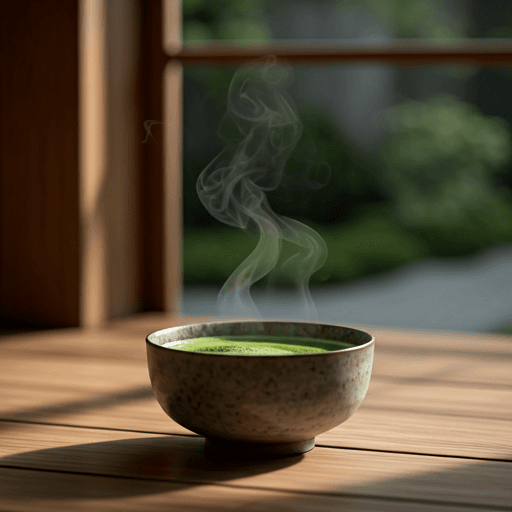
Chamomile tea is a caffeine-free herbal infusion made from the dried flower heads of the chamomile plant, steeped in hot water like any tea. It has a mild, floral, faintly apple-like taste and a soft, honeyed finish, which is why so many people reach for it in the evening to wind down. This guide is the plain-English hub for the whole subject: what chamomile actually is, the difference between the two main types, how it tastes, the forms you can buy, and how to brew camomile tea bags and loose flowers so the cup is not weak or bitter.
What chamomile tea is
Strictly speaking, chamomile tea is not a "tea" at all. Real tea (black, green, oolong, white) comes from the Camellia sinensis plant. Chamomile comes from a different plant entirely, so it belongs to the family of herbal infusions known as tisanes. Because it contains no Camellia sinensis leaf, chamomile is naturally caffeine-free, which is the main reason it is a classic before-bed drink rather than a morning one. If you want the wider picture of how flower-and-herb infusions work, our explainer on what herbal tea is covers the whole category of caffeine-free tisanes.
The drink is also widely known by its Spanish name. Manzanilla tea simply means chamomile tea, and you will see boxes of manzanilla tea bags on shelves across Spanish-speaking countries and in Latin American kitchens. "Manzanilla" translates roughly as "little apple," a nod to the gentle apple aroma of the flowers. So if a recipe or a relative calls for manzanilla, they mean exactly the same flowers you would find in any chamomile box.
German vs Roman chamomile
Two species are sold as chamomile, and it helps to know which is in your cup. German chamomile (Matricaria chamomilla, sometimes labelled recutita) is by far the most common in tea bags and loose blends. It gives the sweeter, softer, classic chamomile flavour most people picture. Roman chamomile (Chamaemelum nobile) is a low-growing relative with a more pronounced apple scent but a noticeably more bitter, earthier taste; it shows up more often in essential oils and traditional remedies than in everyday tea. When a box just says "chamomile" or "manzanilla," it is almost always German chamomile, and that is what you want for an easy, mellow brew.
What chamomile tea tastes like
Expect something light and floral rather than bold. The signature notes are dried apple, meadow flowers, fresh hay, and a touch of natural sweetness like thin honey. There is no astringency or "tea bite," because there are no tannins of the kind black tea carries. A well-made cup is pale gold and gentle; an over-steeped one can turn slightly bitter and a little grassy, which is the most common complaint and an easy fix once you mind the steep time. Many people drink it plain, but a little honey or a thin slice of lemon flatters it without overwhelming the flower.
Camomile tea bags vs loose dried flowers
Chamomile comes in two main forms, and the choice is about convenience versus flavour. (Note that "camomile" is simply the British spelling of the same word, so camomile tea bags and chamomile tea bags are identical products.)
- Tea bags. The everyday option: pre-portioned, tidy, and consistent. Bags often contain smaller, more broken flower pieces, which brew quickly. Look for whole or large flower heads if the box shows them, as finely milled "dust" can taste flatter.
- Loose dried flowers. Whole dried chamomile heads, brewed in an infuser or strainer. They tend to give a rounder, more aromatic cup because the intact flowers hold their volatile oils better, and you can adjust the strength by eye. If you go this route, our guide on how to brew loose leaf tea applies directly to loose chamomile.
Neither is "better" across the board. Bags win on speed and portability; loose flowers usually win on aroma and flexibility. Many people keep both: bags for a quick evening cup, loose flowers for a slower, more deliberate brew.
How to brew chamomile tea
Chamomile is forgiving, but a few small habits make a real difference. The single most important one is to cover the cup while it steeps, because the aromatic oils that give chamomile its character escape with the steam.
- Heat the water to just off the boil, roughly 200-212°F (93-100°C). Chamomile is a flower, not a delicate green leaf, so near-boiling water is fine and helps extract flavour.
- Use one tea bag or about one tablespoon of loose dried flowers per cup (around 8 oz / 240 ml).
- Pour the water over the chamomile and cover the cup or pot with a lid or a small saucer.
- Steep for about 5 minutes (up to 7 if you like it stronger). Going much longer mainly adds bitterness, not pleasant flavour.
- Remove the bag or strain out the flowers, then sweeten lightly if you wish.
For an iced version, brew it a little stronger (use two bags or steep slightly longer) and pour it over plenty of ice, since the cold and the melt will dilute it.
Chamomile tea at a glance
| Aspect | What to know |
|---|---|
| Plant | Dried chamomile flowers, a tisane (not from Camellia sinensis) |
| Common types | German chamomile (sweet, usual choice); Roman chamomile (more bitter) |
| Caffeine | None; naturally caffeine-free |
| Flavour | Mild, floral, apple-like, lightly honeyed |
| Forms | Tea bags (camomile or manzanilla tea bags) or loose dried flowers |
| Water | Just off the boil, 200-212°F (93-100°C) |
| Steep time | About 5 minutes, covered |
| When people drink it | Evening, before bed, to relax |
| Other names | Manzanilla (Spanish for chamomile) |
When people drink chamomile tea
Chamomile has a strong association with evenings and rest. Because it has no caffeine and a calming reputation, it is a common part of a bedtime routine, a quiet end to a meal, or a soothing drink when someone feels frazzled. That said, there is nothing stopping you from enjoying it at any hour; some people sip it through a busy afternoon precisely because it will not keep them awake. If sleep is your main interest, two of our other pages go further than this hub does: chamomile tea and sleep looks specifically at the bedtime angle, and the best herbal teas for sleep sets chamomile alongside other calming options.
A brief word on benefits
Chamomile is one of the most studied calming herbs, and much of the interest centres on a plant compound called apigenin, which binds to receptors in the brain and is thought to have a mild relaxing effect. In practice, the evidence is gentle and mixed rather than dramatic; people often describe chamomile as soothing more than sedating, and early research is limited. We keep the detail on a dedicated page so this hub stays an overview: see chamomile tea benefits for what the research does and does not support.
This is general information, not medical advice. Chamomile has traditionally been used to settle the stomach and ease tension, but claims like these are not the same as proven treatment. If you have a health condition, take medication, or have specific concerns, talk to a clinician before relying on any herbal tea.
Who should be careful
For most healthy adults an evening cup is low-risk, but a few people should take care. Chamomile is in the daisy (Asteraceae) family, so anyone allergic to ragweed, daisies, marigolds, or chrysanthemums may react to it; if that is you, introduce it cautiously or avoid it. Chamomile also contains natural coumarins, so if you take blood-thinning medication it is worth checking with your doctor first. And because pregnancy is its own special case, we cover it separately and cautiously in chamomile tea during pregnancy rather than giving a blanket "yes" or "no" here; if you are pregnant or breastfeeding, ask your doctor or midwife.
The short version
Chamomile tea, or manzanilla, is a caffeine-free flower infusion that is easy to love and easy to brew: just-off-boil water, a covered cup, and about five minutes. Whether you buy camomile tea bags for convenience or loose dried flowers for aroma, the gentle apple-and-honey character is the same. From here, follow whichever thread interests you most, whether that is the wider world of herbal tea or chamomile's reputation as a bedtime drink, and keep exploring.