
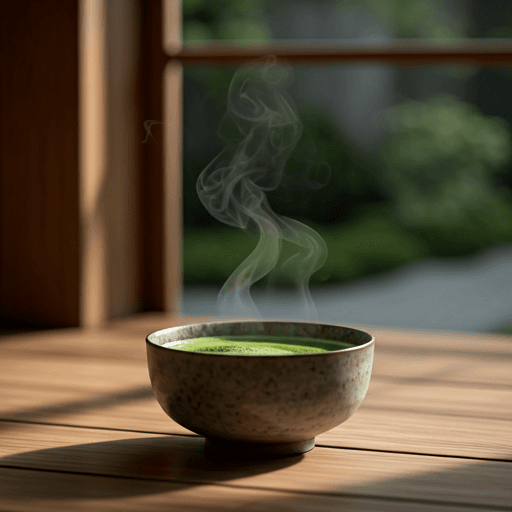
Chamomile tea and sleep have been linked for generations, and there is a real, if modest, reason for the connection. Chamomile is a caffeine-free herbal tisane that contains a plant compound called apigenin, which appears to bind to calming receptors in the brain. The honest picture is that chamomile is a gentle, soothing nightcap rather than a sedative or a fix for insomnia. Below we cover why people reach for it, what the evidence really says, and how to use it as part of an evening wind-down.
This is general information, not medical advice. If you have ongoing sleep problems, talk to a clinician.
Why chamomile tea and sleep go together
Chamomile (Matricaria chamomilla, often called German chamomile) has been brewed as a calming herb for thousands of years across Europe, the Middle East and beyond. Its reputation as a bedtime drink is partly tradition and partly chemistry. Chamomile flowers are one of the richest natural sources of apigenin, a flavonoid that binds to GABA-A and benzodiazepine receptors in the brain. Those are the same receptor systems that calming and sleep medications act on, though chamomile's effect is far milder, on the order of a thousand times weaker than a prescription sedative. The result, for many people, is a small nudge toward relaxation rather than a knockout punch.
There is also a behavioral side. Brewing a warm, caffeine-free cup, dimming the lights and stepping away from screens is a wind-down ritual in itself. Part of why the chamomile tea sleep habit works is that it signals to your body that the day is over. That is worth keeping in mind: the tea and the routine around it both matter.
What the evidence actually says
It pays to be honest here. The research on chamomile and sleep is encouraging but limited and mixed. Several small clinical trials have found modest improvements in self-reported sleep quality and relaxation, particularly in older adults and in people dealing with anxiety. One placebo-controlled trial of nursing-home residents who took chamomile extract over four weeks reported better sleep-quality scores than the placebo group, and a few studies of postpartum women point the same way.
At the same time, systematic reviews caution that the studies are small, vary in quality, and do not consistently show that chamomile cures insomnia or dramatically changes how long it takes to fall asleep. In short:
- It is not a sedative drug. Effects are gentle and may be partly down to relaxation and routine.
- The benefit is most often described as "modest." Think mild calm and slightly better perceived sleep quality, not guaranteed deep sleep.
- It is not a treatment for chronic insomnia. Persistent sleep trouble deserves a proper look from a clinician.
If you enjoy the ritual and it helps you settle, that is a genuinely good outcome. Just set expectations at "soothing cup," not "sleeping pill."
How to use chamomile tea for sleep
Brewing is simple, and a couple of small choices make a real difference to flavor and strength.
- Use fresh, hot water just off the boil. Pour about 8 oz (240 ml) over one tea bag or roughly a tablespoon of dried chamomile flowers.
- Cover the cup while it steeps. Resting a saucer or lid on top traps the aromatic oils that would otherwise escape as steam, giving a fuller, more calming cup.
- Steep about 5 minutes. Go a little longer for a stronger brew. Chamomile will not turn bitter the way black or green tea can.
- Sip it 30 to 45 minutes before bed. That gives your body time to relax and, just as usefully, time to use the bathroom before you lie down.
- Make it part of a routine. Pair the cup with dim lights, no screens and a consistent bedtime so the whole ritual signals sleep.
Quick tips and why they help
| Tip | Why it helps |
|---|---|
| Choose chamomile, not a caffeinated blend | Chamomile is caffeine-free, so it will not work against your wind-down the way black tea or green tea can |
| Cover the cup while steeping | Keeps the volatile aromatic oils in the brew instead of letting them evaporate |
| Steep at least 5 minutes | Draws out more apigenin and flavor without turning the cup bitter |
| Drink 30 to 45 minutes before bed | Allows time to relax and to avoid a midnight bathroom trip |
| Keep the bedtime ritual consistent | The routine itself trains your body to expect sleep, amplifying the tea's calming cue |
| Skip the sugar and big snacks | Sweet drinks and heavy late food can disrupt the very sleep you are chasing |
Practical safety notes
Chamomile is well tolerated by most people, but a few cautions are worth knowing:
- Plant allergies. Chamomile is in the daisy family. If you are allergic to ragweed, chrysanthemums, marigolds or daisies, you may react to chamomile, so introduce it carefully.
- Blood thinners. There are reports of chamomile interacting with warfarin and similar blood-thinning medications. These cases generally involve concentrated extracts rather than a single cup of tea, but if you take a blood thinner, check with your clinician first.
- Pregnancy and breastfeeding. Evidence is limited and authorities differ, so if you are pregnant or nursing, discuss chamomile with your doctor or midwife before making it a habit rather than assuming an herbal tea is automatically safe.
- Other medications. Because chamomile acts mildly on calming receptors, be thoughtful about combining it with sedatives, and raise it with a pharmacist if you take regular medication.
Again, this is general information rather than medical advice. Ongoing or severe sleep problems, or any unexpected reaction, are reasons to see a clinician.
Chamomile versus other sleep teas
Chamomile is the best-known bedtime herb, but it is not the only one. Each has its own character, and some people blend them.
| Herb | Reputation | Good to know |
|---|---|---|
| Chamomile | Gentle, floral, the classic nightcap | Caffeine-free; mild calm linked to apigenin; effects modest |
| Valerian root | Stronger, more "earthy" reputation for sleep | Distinctive, musky taste; often taken as a stronger sleep aid; evidence is mixed |
| Lavender | Aromatic, calming, often used for relaxation | Floral and intense; frequently blended with chamomile |
| Lemon balm | Light, citrusy, soothing | A mint-family herb often paired with chamomile or valerian; see our lemon balm tea guide |
If chamomile alone does not do much for you, a calming blend or a different herb may suit your palate better. Our roundup of the best herbal teas for sleep walks through the main options side by side.
The bottom line
Chamomile earns its place as the classic bedtime tea: it is caffeine-free, gently calming and easy to fold into an evening routine. The science points to small, real benefits for relaxation and perceived sleep quality, not a cure for insomnia, so treat it as a soothing ritual rather than a medicine. Brew it covered, sip it well before bed, and pair it with good sleep habits. To go deeper, read our overview of chamomile tea benefits, or start with the basics in chamomile tea explained when you are ready for your next cup.