
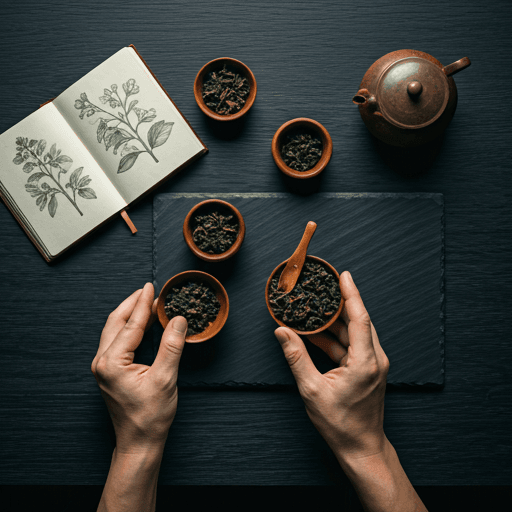
Here is the honest answer on chamomile tea and pregnancy: chamomile is a popular, caffeine-free herbal tea many people reach for to relax, but during pregnancy herbal teas are not automatically safe, the research is limited, and guidance leans cautious. Many sources consider the occasional cup low-risk, yet amounts, your own health and the trimester all matter, and authorities differ. This is general information, not medical advice, so the single most important step is to ask your doctor or midwife before drinking chamomile, or any herbal tea, during pregnancy.
A note before we start: this is general information, not medical advice. Your own health, history and trimester all matter, so please discuss any herbal tea with your doctor or midwife and follow their guidance over anything you read online.
Below we explain why caution is advised, separate the theoretical concerns from established facts, cover the caffeine angle, and give a short list of what to raise with your clinician. The aim is to help you make an informed choice with your care team, not to scare you off a cup of tea or hand you a rule.
Why chamomile tea and pregnancy needs a careful answer
The careful answer comes down to one thing: we do not have much high-quality research on chamomile tea and pregnancy. Chamomile (the German chamomile flower, Matricaria chamomilla; you may also see it sold under manzanilla, the Spanish name) has a long history as a gentle, calming infusion, and it is naturally caffeine-free. But a long tradition of use is not the same as robust safety data for pregnancy. Most studies are small, look at concentrated forms rather than a weak homemade tea, or simply have not been done. Some reviews have gone as far as to suggest herbal medicines, chamomile included, be approached with caution in pregnancy until more evidence is available. That is a cautious stance reflecting uncertainty, not proof of harm.
Because the evidence is thin, official bodies tend not to issue a firm "safe" or "unsafe" verdict. Instead, sources such as the US National Center for Complementary and Integrative Health (NCCIH) advise pregnant people to talk to their healthcare provider before using herbal products. That is exactly why this guide keeps pointing you back to your own doctor or midwife rather than a single number from an article.
Is chamomile tea safe for pregnancy?
The balanced takeaway most sources land on is this: an occasional, weak cup of chamomile tea for pregnancy is often considered low-risk, while large amounts, concentrated extracts and medicinal doses are treated more cautiously. Several guides suggest keeping it modest, on the order of a cup or two a day at most, and many midwives are comfortable with the odd cup. Others prefer to err on the side of caution and skip it, especially early on. Both positions are reasonable given how limited the data is, which is the honest reason chamomile tea for pregnant women comes with an "ask first" rather than a green light.
So the realistic position is not "chamomile is dangerous" and not "chamomile is proven safe." It is "we are not sure, the amount and form matter, and your individual situation matters, so decide it with your clinician." If you are pregnant, trying to conceive, or breastfeeding, treat anything below as background for that conversation, not a substitute for it.
The theoretical concerns, explained plainly
You may read that chamomile could affect the uterus. It is worth understanding where this comes from, because it is often stated more firmly than the evidence supports. The concern is largely theoretical and tied mainly to large or medicinal amounts:
- Possible uterine effects. Some small studies and traditional reports suggest chamomile, particularly in concentrated capsule or extract form rather than a brewed tea, might have mild uterine-stimulating activity. This has led to caution about high doses, especially in the first trimester. It is a precaution drawn from limited, mostly concentrated-dose evidence, not an established effect of a normal cup of tea. One randomized trial even found overdue women given chamomile capsules tended to go into labor sooner than those on a placebo, which speaks to concentrated extracts rather than a teabag.
- Concentration matters more than the herb. Much of the worry traces back to chamomile in supplement form, or strong extracts, not the weak infusion most people drink. A few flowers steeped in hot water is a very different dose from a standardized capsule, tincture or essential oil, which are best avoided in pregnancy unless your clinician specifically advises otherwise.
- Apigenin and the "calm" effect. Chamomile's gentle, relaxing reputation is often linked to a plant compound called apigenin. The calming effect in everyday life is mild and the research is mixed; this is also part of why some sources flag chronic, high intake for closer thought rather than the occasional cup.
- Allergy and interactions. Chamomile belongs to the daisy (Asteraceae) family. If you react to ragweed, marigolds, daisies or chrysanthemums, you could react to chamomile too, pregnant or not. It may also interact with blood thinners such as warfarin, so flag any anticoagulant or bleeding concern to your clinician.
The responsible way to read all of this: these are cautions to weigh, framed as possibilities, not facts about what a single cup will do. They are the reason guidance says "be moderate and ask," and they are why concentrated chamomile supplements deserve more caution than tea.
The caffeine angle
One genuine point in chamomile's favor is that it is caffeine-free. Chamomile is a tisane, an infusion of flowers rather than the tea plant Camellia sinensis, so it carries no caffeine at all. That is part of why people reach for it in pregnancy: many health authorities, including ACOG and the UK's NHS, commonly advise keeping caffeine to about 200 mg a day during pregnancy, and a caffeine-free cup does not count toward that total. For the full picture on that 200 mg guidance and how caffeine adds up across coffee, tea and more, see our guide to caffeine and pregnancy, and for how truly caffeine-free tisanes differ from decaf real tea, our caffeine-free tea explained guide.
Here is the key catch, though: caffeine-free is not the same as automatically pregnancy-safe. The reason chamomile gets extra scrutiny is exactly that it is an active herb, and "herbal" does not mean harmless. A drink can be entirely caffeine-free and still be one you discuss with your clinician before making it a daily habit.
Chamomile tea and pregnancy at a glance
The table below sums up the common questions and the general, non-prescriptive guidance you will see from most sources. None of it replaces personalized advice from your doctor or midwife.
| Question | General guidance (not medical advice) |
|---|---|
| Is chamomile tea caffeine-free? | Yes. It is a flower tisane, not from the tea plant, so it carries no caffeine. |
| Is an occasional weak cup okay? | Many sources consider it low-risk, but evidence is limited, so confirm with your clinician. |
| How much is too much? | Large, frequent or medicinal amounts raise more concern than an occasional cup; keep it modest. |
| What about the first trimester? | Some advise extra caution early; discuss timing with your doctor or midwife. |
| Capsules, extracts or strong concentrates? | Treated more cautiously than a weak tea; avoid medicinal doses without professional guidance. |
| Can it bring on labor? | Concentrated capsules have been studied for this; do not use chamomile to try to induce labor without medical guidance. |
| While breastfeeding? | Evidence is also limited; moderation and a clinician's input are sensible. |
| Any allergy risk? | Avoid if you react to ragweed, daisies or the wider Asteraceae family. |
Trimesters and breastfeeding
Trimester can change the conversation. Because the theoretical uterine concerns are flagged most often for early pregnancy, some people and some clinicians are more cautious in the first trimester and more relaxed later, while others keep the same modest approach throughout. There is no universal rule here, which is precisely why timing is worth raising specifically rather than assuming a blanket answer.
Breastfeeding deserves the same measured treatment. Safety data for herbs during lactation is, again, limited, and small amounts of what you drink can pass into breast milk. An occasional cup is commonly viewed as low-risk, but as with pregnancy the cautious, sensible move is to keep amounts modest and check with your doctor, midwife or a lactation specialist, especially before anything concentrated.
What to ask your doctor or midwife
If you would like chamomile to stay part of your routine, a short, specific conversation makes it easy to decide together. Useful things to raise:
- Your overall picture. Your stage of pregnancy, any allergies (especially to ragweed or daisies), any bleeding concerns, and any conditions or medications you take.
- Form and strength. A weak homemade infusion is different from a concentrated extract, capsule or "sleep" supplement; be clear which you mean, and favor ordinary brewed tea.
- How much and how often. An occasional cup is a different question from several strong cups every day.
- The blend's full ingredients. Many "calming" or "bedtime" blends mix several herbs; check the label, since some other herbs are advised against in pregnancy.
- Breastfeeding plans. If you intend to breastfeed, fold that into the same conversation rather than treating it separately.
For more on the drink itself, our chamomile tea explained hub covers what it is and how to brew it, and our chamomile tea benefits guide looks at its general, non-pregnancy wellness reputation. Both keep their health framing cautious and point you to a clinician for your own situation.
The bottom line on chamomile tea and pregnancy
Chamomile tea and pregnancy is a genuine "it depends," and the honesty is the useful part. Chamomile is caffeine-free and gentle, an occasional weak cup is often considered low-risk, and the firmer cautions you read mostly concern large or concentrated, medicinal amounts rather than a single mug. But the evidence is limited, "herbal" does not mean automatically safe, and authorities differ, so there are no guarantees here. Because this is general information and not medical advice, the safe and simple move is to discuss your own choice with your doctor or midwife, and to keep that conversation going through pregnancy and into breastfeeding.