
Knowledge Base
Coffee & Tea Guides
Brew better and explore more — buying guides, how-tos, and explainers for every coffee and tea ritual.
Explainer
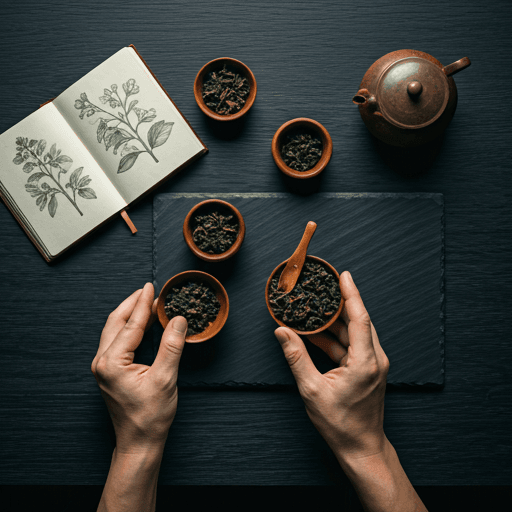
Gyokuro vs Tencha: What's the Difference?
Both are shade-grown Japanese green teas from almost the same leaf — but gyokuro is rolled into loose leaf you steep, while tencha is left unrolled to be ground into matcha. Here is how the two differ, side by side.
Explainer
Keemun vs Darjeeling: What's the Difference?
Keemun and Darjeeling are both refined, aromatic black teas, but keemun is a smooth, gently smoky Chinese tea while Darjeeling is a light, floral, muscatel cup from the Himalayan foothills. Here is how their taste, milk, flushes and brewing compare.
Explainer
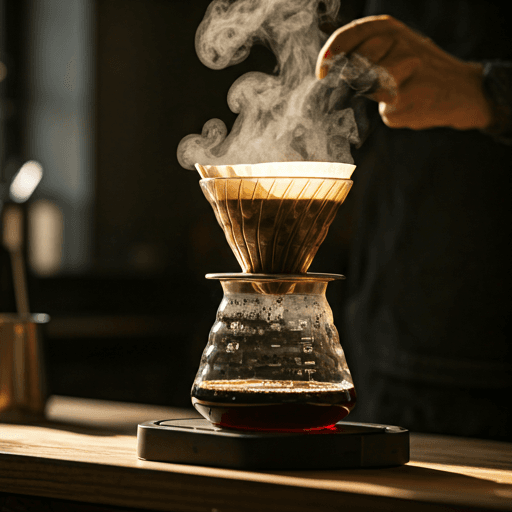
How Much Caffeine Is in Instant Coffee?
A standard cup of instant coffee carries roughly 60-80 mg of caffeine — a little less than a brewed or filter cup. Here is how instant compares to espresso and decaf, and what makes the number move.
Explainer
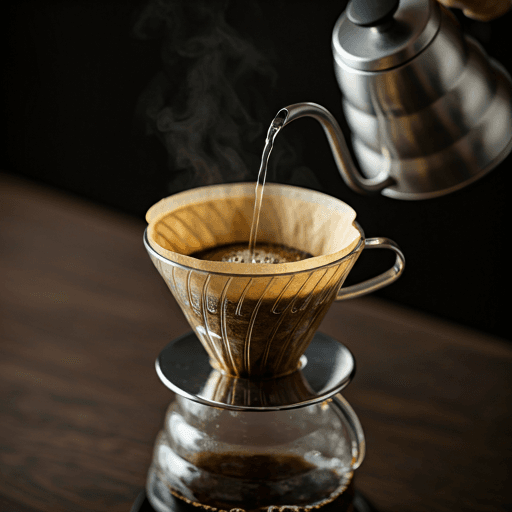
Percolator vs French Press: What's the Difference?
A percolator recirculates boiling water for a strong, hot brew; a French press steeps coarse grounds once for a rich, oily cup. Here is how the two classic methods differ in heat, body, control and taste.
Explainer
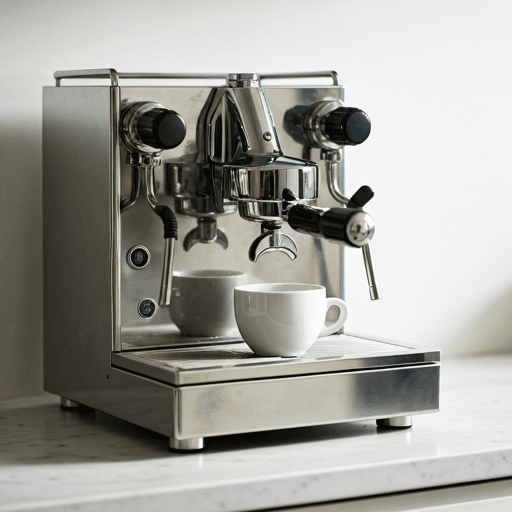
AeroPress vs V60: What's the Difference?
AeroPress and V60 both filter through paper for a clean cup, but they brew in opposite ways. Here's how immersion-plus-pressure stacks up against a gravity pour-over — on taste, body, strength, control and portability — so you can pick the right brewer for your morning.
Explainer
How Much Rooibos Tea Per Day? A Relaxed Daily Guide
Rooibos is caffeine-free, so there is no real ceiling on how much you can drink. Here is a relaxed, non-medical guide to how much rooibos tea per day makes sense - and why an evening cup is perfectly fine.
Explainer
How Much Ginger Tea Per Day? A Simple, Hedged Guide
Wondering how much ginger tea per day is sensible? A hedged, non-medical look at the common 2 to 3 cup guide, a rough ginger amount, why it is caffeine-free, and who should check with a provider.
Explainer
Does Dandelion Tea Have Caffeine?
Dandelion tea is naturally caffeine-free, whether you brew the roasted root or the leaves — here is why, and how roasted dandelion coffee stacks up against the real thing.
Explainer
Longjing vs Gunpowder: What's the Difference?
Longjing vs gunpowder: both are Chinese green teas, but one is pan-fired flat and nutty-sweet while the other is rolled into smoky pellets. Here is how their shape, taste, brewing and uses compare.
Explainer
Keemun vs Assam: What's the Difference?
Keemun and Assam are both classic black teas, but keemun is a smooth, aromatic Chinese tea while Assam is a bold, malty cup from the Assam region. Here is how their taste, strength, milk and brewing compare.
Explainer
Matcha vs Gyokuro: What's the Difference?
Both are premium shade-grown Japanese green teas, but matcha is a whisked powder you drink whole and gyokuro is a leaf you steep low and strain. Here's how they differ in taste, caffeine and ritual.
Explainer
Chemex vs V60: What's the Difference?
Chemex vs V60, compared: both are clean pour-over drippers, but the Chemex's thick bonded filter and glass carafe brew a lighter, tea-like cup, while the ridged Hario V60 pours faster for a brighter, more aromatic result. Here's how filter, flow, grind and capacity differ, and which to pick.
Explainer
Doppio vs Espresso: What's the Difference?
Doppio vs espresso comes down to one thing: the number of shots. Both are espresso — a single is about 1 oz, a doppio is a double, so you get more coffee and roughly double the caffeine, not a stronger sip per mouthful.
Explainer
How Much Peppermint Tea Per Day? A Practical Guide
For most healthy adults, about 1 to 3 cups of peppermint tea a day is a comfortable general guide — and since it is caffeine-free, there is no strict ceiling. Here is how to think about timing, when to have less, and how to brew each cup well.
How-To
How to Make Moringa Tea (Simple Step-by-Step Recipe)
Make moringa tea in minutes: steep dried leaf, powder, a bag, or fresh leaves in hot (not boiling) water, then strain. A mild, caffeine-free green herbal tisane, with a form-by-form guide, plus tips on strength and re-steeping.
Explainer
Chai vs Black Tea: What's the Difference?
Chai vs black tea, made simple: chai is strong black tea simmered with spices, milk and a sweetener, while black tea is the plain brewed leaf. Here is how they differ in ingredients, method, taste and caffeine.
Explainer
Gunpowder Tea vs Sencha: What's the Difference?
Gunpowder tea and sencha are both green teas, but one is a bold Chinese green rolled into pellets and the other Japan's fresh, grassy steamed leaf. Here is how they compare.
Explainer
Moka Pot vs French Press: What's the Difference?
The difference is how the water meets the grounds: a moka pot uses steam pressure for a strong, concentrated stovetop cup, while a French press steeps coarse grounds into a rich, full-bodied mug. Here is how the two brewers compare on strength, grind, texture and size.
Explainer
Cappuccino vs Mocha: What's the Difference?
Cappuccino vs mocha comes down to chocolate: a cappuccino is espresso, steamed milk and airy foam with no sweetness, while a mocha adds chocolate and whipped cream for a sweeter, dessert-like cup. Here is how they taste, differ and which to choose.
Explainer
How Much Chamomile Tea Per Day? A Gentle Daily Guide
For most healthy adults, about one to three cups of chamomile tea per day is a comfortable amount — and because it's caffeine-free, the number stays flexible. Here's a light, non-medical look at a sensible daily amount, the best time to sip, and when to check with a doctor.
Explainer
Does Ginger Tea Have Caffeine? What to Know
Pure ginger tea is naturally caffeine-free because it's a root infusion, not a leaf tea — but a ginger blend, spiced chai or bottled version can add caffeine. Here's how to tell the difference, with a quick decoder table.
Explainer
Genmaicha vs Sencha: What's the Difference?
Genmaicha vs sencha: both are Japanese green teas, but genmaicha blends sencha with roasted brown rice for a nutty, milder, lower-caffeine cup, while sencha stays pure, fresh and grassy. Here is how they differ in taste, caffeine, brewing and best occasions.
Explainer
English Breakfast vs Irish Breakfast Tea: What's the Difference?
English breakfast vs Irish breakfast: both are robust black-tea blends for a milky morning cup, but Irish is usually bolder and maltier while English is more balanced. Here is how they compare in taste, strength, colour, milk, caffeine and brewing — and which to choose.
Explainer
Coffee vs Energy Drinks: What's the Difference?
Coffee and energy drinks both wake you up with caffeine, but one is a plain brewed drink and the other a formulated mix of sugar, stimulants and vitamins. Here is how they actually compare.