
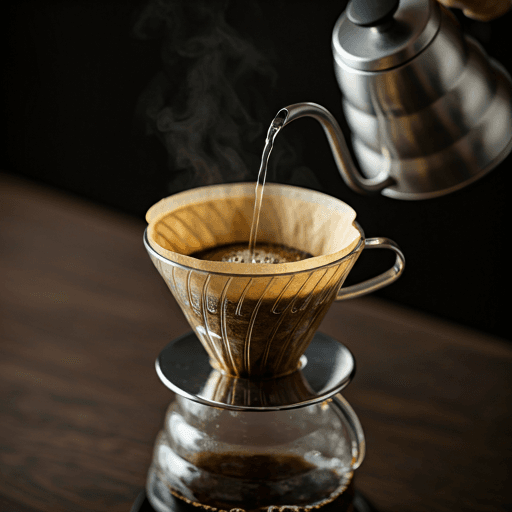
In the percolator vs french press debate, both are old-school, full-flavor brewers that make a bold cup without pods or fancy electronics — yet they extract coffee in almost opposite ways. A percolator repeatedly cycles boiling water up a tube and back down through the grounds until the brew is strong (and sometimes over-extracted and bitter), while a French press steeps coarse grounds once in hot, not boiling, water and then presses a mesh plunger down for a rich, oily, more controllable cup.
Neither is objectively "better." One is a nostalgic, hands-off pot that runs until you pull it off the heat; the other is a controllable immersion brewer that hands you the reins. Below we break down how each works, where the flavor differences come from, and how to pick the one that suits your taste.
Percolator vs French Press: the quick comparison
Before we dig into each method, here is how they stack up side by side — a fast decoder for the difference between percolator and french press brewing.
| Attribute | Percolator | French press |
|---|---|---|
| How it brews | Recirculates boiling water up a tube and back down through the grounds, cycle after cycle | Steeps grounds once, then presses a mesh plunger down to separate them |
| Water temperature | Full, rolling boil, cycled repeatedly | Off the boil, roughly 195–205 F (90–96 C) |
| Contact style | Repeated percolation passes | A single timed immersion, usually about 4 minutes |
| Typical body | Full-bodied, very hot, rustic; can taste cleaner but harsher | Full-bodied, rounded, oily, with fine sediment |
| Bitterness risk | Higher — easy to over-extract | Lower — gentler water and a set steep time |
| Control | Runs until you take it off the heat | You choose grind, time and when to plunge |
| Grind | Coarse | Coarse |
| Suits | Strong, nostalgic, campfire-style coffee | Controllable, heavy, full-flavored coffee |
What a percolator is
A percolator is a stovetop or electric pot that brews by recirculating water. Water in the base heats until it boils, gets pushed up a central tube, sprays over a basket of grounds, drips back down, and then does the whole loop again — and again — until you decide it is done. That repetition is where a percolator gets its reputation for making very strong, very hot coffee, and it is also why timing matters: leave it going too long and the same water keeps re-extracting the same grounds, which can pull out harsh, bitter compounds.
On the plus side, a percolator is forgiving of fuss. There is no pouring technique to master and no plunger to time; you set it on the heat and let it cycle. It is a classic camping and big-batch brewer for exactly that reason. If you want the full mechanics of how the pump tube, basket and lid work together, our coffee percolator guide walks through it step by step, and percolator vs drip coffee covers how it differs from an automatic drip machine.
What a French press is
A French press (also called a cafetière or press pot) brews by immersion. You add coarse grounds and hot water, let everything steep together for a few minutes, then push a metal-mesh plunger down to trap the grounds at the bottom and pour off the coffee. Because the water is off the boil and the grounds get one controlled steep rather than endless cycles, a French press tends to be gentler and more forgiving of bitterness than a percolator.
The metal filter is the signature of the style: it lets the coffee's natural oils and some fine particles through, giving you a heavy, full-bodied, slightly sedimenty cup rather than a paper-clean one. Dialing in strength is mostly a matter of adjusting your coffee-to-water ratio and steep time. For the full routine, see our French press guide and the step-by-step how to use a French press walkthrough.
The key difference: recirculating boil vs a single steep
Strip everything else away and the whole percolator or french press question comes down to one thing: how the water meets the grounds. A percolator forces boiling water through the coffee over and over in a continuous loop. A French press soaks the coffee once, at a lower temperature, and then you separate the two with a press. Recirculating boil versus a single controlled steep — that single mechanical difference drives almost every flavor and texture difference that follows.
Heat and bitterness
Temperature is the biggest practical divide. A percolator brews with water at a full boil and keeps cycling it, so it runs hot and can push extraction past the sweet spot into bitter, astringent territory — especially if it perks longer than a few minutes. A French press uses water just off the boil and steeps for a set time, which generally keeps things smoother. None of this is absolute; grind, dose and timing matter more than the label on the pot, so treat "percolators are always bitter" as a tendency to manage rather than a rule. If your percolator coffee tastes harsh, a shorter perk and slightly coarser grind usually help.
Body and sediment
Both methods land firmly on the full-bodied end of the spectrum, but the texture differs. A French press pushes coffee oils and fine particles straight into the cup, so it drinks heavy and a little silty, with sediment settling at the bottom. A percolator's basket holds back more of the grounds, so the cup can read a touch cleaner — but that cleanliness often comes paired with the harsher, hotter edge that repeated boiling produces. In short: French press is oily and rich; percolator is bold and rustic.
Control: hands-off vs hands-on
This is where personalities diverge. A French press gives you real control — you decide the grind, the ratio, the steep time and the exact moment you plunge, so it is easy to reproduce a cup you love or dial strength up and down. A percolator is comparatively hands-off: it runs until you pull it off the heat, and your main lever is when you stop it. That makes the percolator wonderfully simple for camping or a crowd, but less precise if you are chasing a specific flavor.
Grind size
Both brewers want a coarse grind, and for the same reason: a fine grind muddies the cup and slips through (or clogs) the metal parts. In a French press, too-fine grounds sail through the mesh and make the coffee gritty and over-extracted; in a percolator, fine grounds fall through the basket and cloud the brew. Coarse and even is the safe default for either one.
Taste: bold and rustic vs rich and rounded
Put the two cups next to each other and the character is easy to tell apart. Percolator coffee is bold, piping hot and old-fashioned — think diner urn or campsite pot, strong and no-nonsense, occasionally with a bitter bite if it perked too long. French press coffee is rich, rounded and heavy, with the coffee's oils giving it a fuller mouthfeel and a smoother finish. Fans of a robust, nostalgic brew tend to love the percolator; fans of a thick, flavor-forward cup with more say in the outcome tend to reach for the press.
Is a percolator stronger than a French press?
Often, yes — but "stronger" is doing a lot of work in that sentence. Because a percolator recirculates boiling water through the grounds repeatedly, it can extract more and taste more intense, which is why people ask is a percolator stronger than a French press in the first place. But a French press is easily made just as strong by using more coffee or a longer steep, and its strength arrives without the boiled, bitter edge. So the honest answer is that a percolator often tastes stronger by default, while a French press lets you choose your strength. Perceived intensity varies with beans, grind and timing, so your mileage will differ.
Which should you choose?
Pick a percolator if you want a rugged, nostalgic, brew-and-forget pot — great for camping, big batches or anyone who likes coffee strong, hot and simple, and does not mind babysitting the timing to avoid bitterness. Pick a French press if you want a full-bodied, oily cup with more control over grind, ratio and strength, and you prefer a gentler, off-the-boil extraction. Many coffee lovers happily keep both: the press for a considered morning cup and the percolator for the outdoors.
Whichever way the french press vs percolator choice goes, the fundamentals are the same — fresh beans, a coarse and even grind, and paying attention to time and temperature will do more for your cup than the pot itself. Master one method, understand what the other is doing differently, and you will get a satisfying brew out of either.