
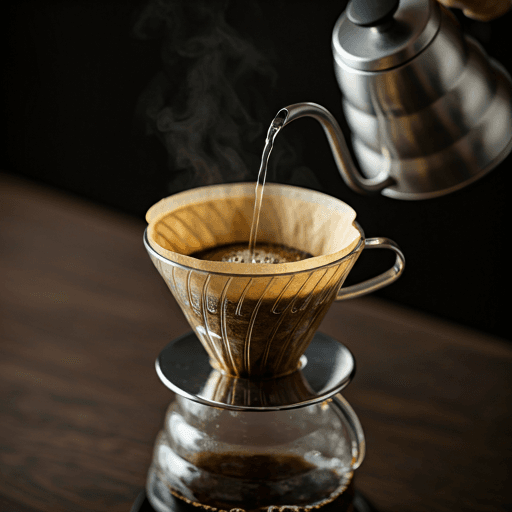
In the percolator vs drip coffee debate, the core difference comes down to how the water meets the grounds. A percolator repeatedly cycles near-boiling water up through a tube and rains it back over the grounds again and again, brewing a bold, very hot, sometimes bitter cup. A drip coffee maker passes hot water through the grounds just once into a carafe, giving you a cleaner, smoother, more consistent result. That single design choice, recirculation versus one gravity pass, is why most modern kitchens reach for drip while percolators live on as a nostalgic, camp-friendly favorite.
What is a percolator?
A percolator is a self-contained brewer, either stovetop or electric, that works by boiling water in a lower chamber. As the water heats, pressure pushes it up a central tube where it sprays over a basket of coffee grounds, drains back down, and gets pushed up again. This cycle repeats continuously, so the same water passes through the grounds several times, growing stronger with each pass until you pull it off the heat. Many people fondly remember watching the coffee darken through a little glass knob on the lid, a ritual tied to campsites and mid-century kitchens. Because the water keeps re-brewing the same grounds, timing matters a great deal. For a full walk-through of the mechanism and how to control it, see our coffee percolator guide.
What is a drip coffee maker?
A drip coffee maker takes the opposite approach. It heats water once and showers it evenly over a bed of grounds held in a paper or mesh filter. Gravity then pulls the brewed coffee straight down through the filter into a waiting carafe in a single pass, and the brew is finished. Automatic drip machines are the countertop workhorses of most homes because they are largely set-and-forget: add water, add grounds, press a button, walk away. If you want the fundamentals of the method, our explainer on what drip coffee is covers the basics, and our drip coffee maker guide digs into the machines themselves.
Percolator vs drip coffee: the key difference
The heart of the percolator vs drip coffee comparison is recirculation. A percolator re-brews the same coffee over and over, cycling boiling water back through the grounds repeatedly until you stop it. A drip maker gives the grounds one single gravity pass and then quits. That one distinction ripples out into everything else: strength, flavor, brewing temperature, how much sediment reaches your cup, and how much attention the brewer needs from you. So when people ask whether to choose a percolator or drip coffee maker, they are really choosing between repeated extraction and a single clean pour-through.
Taste: bold and robust vs smooth and clean
Percolator coffee tends to taste strong, bold, and full-bodied. Because the water passes through the grounds again and again, it pulls out a lot of coffee solids, which gives that intense, old-fashioned character many people love. The trade-off is that this same recirculation makes it easy to over-extract, so a percolator can tip into bitter or even faintly burnt-tasting territory if you leave it going too long.
Drip coffee, by contrast, is generally smoother, cleaner, and more even. A single pass through a paper filter extracts the grounds gently and only once, so the cup highlights clarity and balance rather than sheer punch. The difference between percolator and drip in the cup is often described as robust and rustic versus refined and consistent. Neither is objectively better; it depends on whether you prize intensity or subtlety, and results still vary with your beans, grind, and ratio.
Is percolator coffee stronger? Temperature and over-extraction
Is percolator coffee stronger? In most cases, yes, it tends to brew a bolder, more concentrated cup, largely because the grounds get extracted multiple times. But "stronger" here usually means more extracted flavor and body rather than dramatically more caffeine, and much of it comes down to how long you let it cycle. The catch is temperature. Percolators can push water to a full boil and keep it there, which can actually boil the coffee itself. Coffee generally tastes best brewed a little below boiling, so this extra heat is part of why percolator brews can turn harsh or over-extracted.
Drip machines are designed to hold water in a gentler range and run it through only once, which limits over-extraction and keeps the cup consistent from morning to morning. If precise, repeatable temperature and extraction matter to you, drip has a built-in advantage, though exact behavior differs from one machine or percolator to the next.
Control and convenience
Convenience is where drip really pulls ahead for daily use. Most automatic drip makers are true set-and-forget appliances, and many can be programmed to brew before you wake up. There is little to monitor and the outcome barely changes from one batch to the next.
A percolator asks more of you. You have to watch the clock (or the color in the glass knob) and pull it off the heat at the right moment, because leaving it too long is exactly what invites bitterness. That hands-on rhythm is part of the charm for some brewers, and it becomes a genuine strength off-grid: a stovetop percolator needs only a heat source, no electricity, no paper filters, no fuss. That makes it a favorite for camping, cabins, and power outages, where a plug-in drip machine simply cannot go.
Filters: what actually reaches your cup
Filtration is a quiet but important part of the drip vs percolator story. Drip makers almost always use a paper (or fine mesh) filter that traps oils and fine particles, giving you a cleaner cup with very little sediment. A percolator uses a perforated metal basket instead, so more of the coffee's natural oils and a little grit make it through to the pot. Those oils carry body and richness, which is another reason percolator coffee can feel heavier and more robust, but it also means the cup is less crisp and can leave a bit of sediment at the bottom.
Grind size follows from this. Percolators want a coarser grind so fine particles do not slip through the metal basket and muddy the brew, while drip makers use a medium grind suited to their filters. If you like the idea of a filtered, poured single pass but want more hands-on control than a machine, a manual method is worth exploring; our comparison of pour over vs drip coffee covers that neighboring choice.
Percolator vs drip coffee at a glance
| Attribute | Percolator | Drip coffee maker |
|---|---|---|
| Water path | Recirculates boiling water up and over the grounds repeatedly | Passes heated water through the grounds once |
| Strength and body | Bold, robust, full-bodied; often stronger-tasting | Smoother, lighter, cleaner |
| Flavor risk | Easy to over-extract; can taste bitter or burnt | Even and consistent; hard to over-extract |
| Temperature | Can reach a full boil and boil the coffee | Held below boiling for gentler extraction |
| Filter | Metal basket, more oils and sediment | Paper or mesh, cleaner cup, little sediment |
| Grind | Coarser | Medium |
| Convenience | Needs timing and attention | Set-and-forget, often programmable |
| Best for | Camping, off-grid, nostalgic bold brews | Everyday, consistent, hands-off brewing |
Which should you choose?
Choose a percolator if you love a strong, old-school cup, enjoy the ritual of watching it brew, or need a brewer that works without electricity for camping and off-grid mornings. Just be ready to mind the timing so it does not turn bitter. Choose a drip coffee maker if you want a smoother, cleaner, reliably consistent cup with minimal effort, which is exactly why drip machines dominate everyday kitchens.
Many coffee lovers happily keep both: a drip maker for reliable weekday cups and a percolator for the campsite or a nostalgic weekend brew. There is no single winner in the percolator vs drip coffee question, only the method that fits the cup you want and the way you like to make it. Whichever you reach for, fresh beans, the right grind, and paying attention to your brew time will do more for the flavor in your mug than the machine alone.