
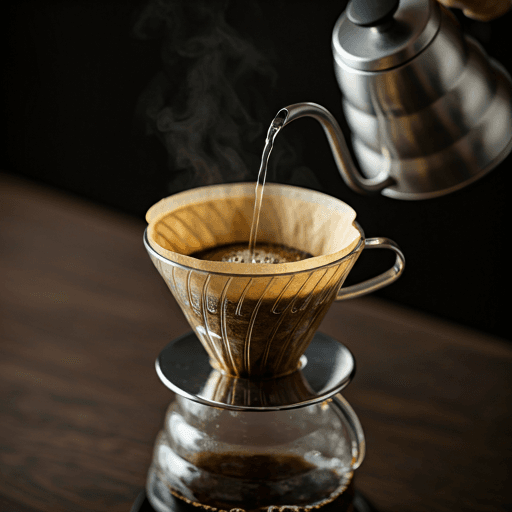
In a moka pot vs French press comparison, the real difference is how the water meets the grounds. A moka pot is an Italian stovetop brewer that uses steam pressure to push hot water up through a bed of finely ground coffee, giving you a small, strong, concentrated cup. A French press is a full-immersion brewer where coarse grounds steep in hot water for a few minutes before you press down a metal plunger, delivering a rich, full-bodied mug with a little sediment. One is intense and espresso-adjacent; the other is mellow, heavy and generous.
Moka pot vs French press: the quick verdict
If you want a strong, concentrated shot with a bold, almost espresso-like intensity, reach for the moka pot. If you want a larger, relaxed mug with plenty of body and a soft, oily mouthfeel, the French press is your friend. Neither is objectively better — they are simply built around two different brewing principles, and they reward different moods. The table below sums up the difference between a moka pot and a French press before we dig into each brewer in detail.
| Attribute | Moka pot | French press |
|---|---|---|
| Brewing method | Steam pressure forces water up through the grounds (stovetop) | Full immersion — grounds steep, then you plunge |
| Origin | Italian stovetop classic | European press-pot design |
| Grind | Fine-ish (finer than drip, coarser than espresso) | Coarse |
| Strength | Strong, concentrated, espresso-adjacent | Full-bodied but less concentrated |
| Body and texture | Cleaner and intense, low or no crema | Heavy and oily, with some fine sediment |
| Filter | Metal basket | Metal mesh plunger |
| Typical serving | A few small, strong cups | A larger pot for one or several mugs |
| Effort | Needs a heat source and attention | Just hot water, steep and press |
| Best for | A quick, punchy stovetop shot | A slow, rich, full mug |
What a moka pot is
A moka pot is a three-part stovetop brewer, usually aluminum or stainless steel, with a distinctive octagonal silhouette. You fill the bottom chamber with water, seat a funnel-shaped basket of finely ground coffee above it, and screw on the top collector. As the pot heats, the water in the base boils and its expanding steam builds pressure, forcing hot water up through the coffee bed and into the top chamber, where the finished brew gathers. The result is small, intense and concentrated — bolder than drip coffee, with a rich aroma and a thin layer of crema on a good pull, though far less than a real espresso machine produces.
Because the water passes through the grounds only once, under modest pressure, the moka pot leans toward strength and depth rather than clarity. It brews just a few small cups at a time, which suits a punchy morning shot or the base for a milk drink. For the full step-by-step method, temperatures and troubleshooting, see our moka pot guide, which covers the technique this comparison deliberately keeps brief.
What a French press is
A French press — also called a press pot or cafetiere — is a tall cylindrical carafe with a plunger topped by a fine metal mesh. You add coarse grounds, pour in hot water, and let everything steep together for around four minutes. When the time is up, you press the plunger down slowly, trapping the spent grounds at the bottom while the brewed coffee stays above. This is full-immersion brewing at its simplest: the coffee and water are in constant contact for the whole steep, so extraction is even and unhurried.
The mesh filter lets natural oils and some very fine particles pass into the cup, which is exactly why the French press tastes so full and rounded, with a slightly silty finish. It also scales up easily, brewing a generous pot to share. For grind, ratio and timing specifics, lean on our French press guide rather than treating this comparison as a recipe.
The key difference: pressure vs immersion
Everything else follows from one distinction. A moka pot is a pressure and up-flow brewer: steam pressure drives water in a single upward pass through a packed bed of fine grounds. A French press is a full-immersion brewer: the grounds sit and soak in the water for minutes before you separate them with the plunger. That is the difference between a moka pot and a French press in one line — a quick, pressurized push versus a slow, gravity-and-time soak.
This shapes flavor, strength, texture and even how much attention each demands. The moka pot concentrates and intensifies; the French press extracts broadly and gently. Understanding that split makes it easy to predict what each cup will taste like before you ever brew it.
Strength and taste: is a moka pot stronger than a French press?
Generally, yes — a moka pot brews a stronger, more concentrated cup than a French press. The small volume and pressurized single pass produce a thick, espresso-adjacent liquid with a heavy, almost syrupy intensity and a slight edge of bitterness, especially if the pot runs too hot. It is the closest many people get to espresso without a dedicated machine. That said, moka pot coffee is not true espresso; the pressure is far lower, so if you are weighing those two, our note on the moka pot vs espresso difference is the better place to look.
A French press cup is fuller-bodied but less concentrated. The long, even steep and the oils that slip through the mesh give it a round, weighty mouthfeel and a smooth, forgiving flavor — big on body, softer on punch. So a moka pot tends to hit harder per sip, while a French press feels richer and heavier across a larger mug. As always, roast, grind, dose and technique move these results around, so treat this as the general tendency rather than a fixed rule.
Grind size
The two brewers want opposite grinds. A moka pot likes a fine-ish grind — finer than drip but a touch coarser than espresso — so the water meets enough resistance to build pressure and extract fully during its brief upward pass. Grind too coarse and the coffee comes out weak and watery; grind too fine and you risk clogging and harsh, over-extracted flavors.
A French press wants a coarse, even grind, closer to sea salt. Because the grounds steep for minutes and are held back only by a metal mesh, a coarse grind keeps extraction balanced and stops a flood of fine particles from muddying the cup. Fine grounds in a press slip through the mesh and leave a gritty, over-bitter brew. Matching grind to method is the single biggest lever in either pot.
Texture and filter
Both brewers use metal filters rather than paper, so both let coffee oils through and neither delivers the crystal clarity of a paper-filtered pour over. But the texture still differs. The moka pot's metal basket and pressurized flow yield a cleaner, more intense liquid with little sediment and a whisper of crema on top. The French press mesh is coarser and the brew steeps in full contact, so the cup carries more oil and a layer of fine sediment that settles at the bottom of the mug.
In short, the moka pot cup reads as concentrated and relatively clean, while the French press reads as heavy, oily and a little silty. If you dislike any grit, the moka pot edges ahead; if you love a big, textured mouthfeel, the press wins. Readers weighing the press against a paper method can compare it in our pour over vs French press breakdown.
Serving size
Size is a practical divider. A moka pot is built around small, strong servings — a typical pot yields a few espresso-sized cups, ideal for one or two people or as the base for a milk drink. A French press scales far more comfortably, brewing anything from a single mug to a large pot for a table of guests, depending on the carafe. If you routinely make coffee for a group and want volume plus body, the press is the natural pick; if you want a concentrated solo shot, the moka pot fits better.
Effort and equipment
Neither brewer is complicated, but they ask for different things. A moka pot needs a heat source and a little attention: you want to pull it off the heat as the brew finishes gurgling to avoid scorching and bitterness, and moka pots can be fussier to clean around the basket, gasket and valve. A French press needs only hot water and a timer — add grounds, pour, wait, plunge — with no stove required, which makes it easy to run alongside other morning tasks. Cleanup means discarding the wet grounds and rinsing the mesh.
If you want a hands-off routine, the French press is the gentler habit. If you enjoy a bit of ritual and don't mind hovering for a few minutes, the moka pot rewards the attention with intensity.
Which should you choose?
Choose the moka pot if you crave a small, strong, concentrated cup with espresso-adjacent intensity, you have a stove and don't mind a short, attentive brew. Choose the French press if you want a larger, richer, full-bodied mug with a soft mouthfeel, simple steep-and-plunge mechanics and easy scaling for more than one person. Many coffee lovers keep both — the moka pot for a quick jolt, the press for a slow weekend pot.
Whichever you pick, dial in the grind first, mind your water temperature and don't overheat the moka pot, and both will reward you. The moka pot and the French press aren't rivals so much as two answers to two different questions about how you want your coffee to taste — one bold and concentrated, the other deep and generous. Match the brewer to the cup you're in the mood for, and you can't really go wrong.