
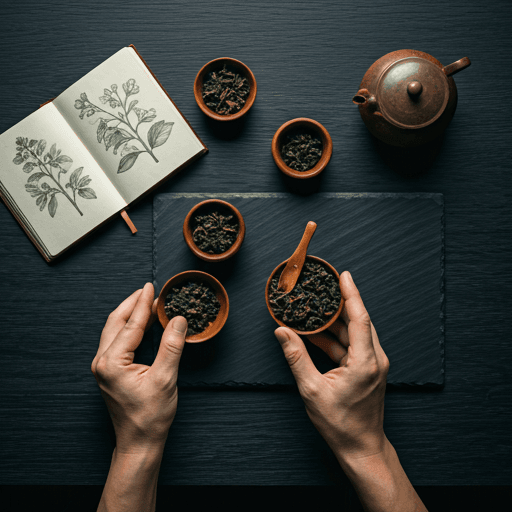
Genmaicha vs sencha comes down to a single ingredient: roasted rice. Both are Japanese green teas made from the same tea plant, but sencha is a pure, fresh, grassy green tea, while genmaicha is essentially sencha (or bancha) blended with roasted, popped brown rice. That rice gives genmaicha a warm, nutty, toasty, popcorn-like note, so it tastes milder, cosier and slightly lower in caffeine than a straight cup of sencha.
If you already love Japanese green tea, think of it simply: sencha is the vivid, vegetal original, and genmaicha is the comforting, savoury version of that same tea with roasted grain stirred in. Both sit inside the wider world of Japanese green teas. Below is a quick side-by-side, then a section-by-section look at how the two differ in taste, caffeine, brewing and best occasions.
Genmaicha vs sencha at a glance
| Attribute | Genmaicha | Sencha |
|---|---|---|
| What it is | Green tea (usually sencha or bancha) blended with roasted brown rice | Pure steamed green tea leaves, nothing added |
| Flavour | Nutty, toasty, savoury, "popcorn" | Grassy, vegetal, umami, bright |
| Body and finish | Warm, mellow, easy-drinking | Fresh, crisp, a touch astringent |
| Caffeine | Lower — rice replaces some leaf (varies) | Higher of the two (varies) |
| Water temperature | Forgiving, roughly 75-85°C | Cooler, roughly 70-80°C |
| Steep time | Short, about 30-60 seconds | Short, about 30-60 seconds |
| Best for | With meals, evenings, gentle sipping | Daytime, on its own, tasting |
| Origin | Japan | Japan |
Prefer more detail than the table gives? Read on — the differences are easy to taste once you know what the rice is doing.
What sencha is
Sencha is Japan's everyday green tea and the country's most-drunk style by a wide margin. It is made from young tea leaves that are steamed shortly after harvest to stop oxidation, then rolled and dried. The result is a bright, grassy, vegetal cup with plenty of savoury umami and a clean, slightly astringent finish. It is the reference point for what most people mean by "Japanese green tea," and it is also the base leaf that usually goes into genmaicha. For the full story on how it is grown and processed, see our guide to sencha green tea.
What genmaicha is
Genmaicha is a blend: green tea — most often sencha, sometimes the coarser, more mature bancha — mixed with roasted and popped brown rice (the genmai that gives the tea its name). Some of the rice puffs open in the roaster, which is why genmaicha is affectionately called "popcorn tea." The roasted grain adds a toasty, nutty, almost cereal-like aroma and a rounder, savoury body that softens the greener edge of the leaf.
The blend has practical roots, too. It is often said that the rice was originally a way to stretch a smaller amount of tea leaf and make it go further, turning an everyday leaf into something warmer and more filling. That origin story is widely repeated, though details vary by telling. Like sencha, genmaicha is Japanese through and through. For a deeper look at the blend, the rice and the different grades, see our full genmaicha explainer.
The key difference between genmaicha and sencha: roasted rice
The single difference between genmaicha and sencha is the roasted brown rice. Everything else that sets them apart flows from that one addition. Because roughly half of a genmaicha blend can be rice rather than leaf, the cup carries less tea character and more toasty grain: it is nuttier, mellower and gentler than sencha, and it brews up a little more forgiving. Sencha, with nothing but leaf in the cup, stays purer, grassier and brighter. Neither is "better" — they are simply two expressions of the same green tea, one plain and one dressed with roasted rice.
Taste: vivid vs toasty
Side by side, sencha vs genmaicha is a study in contrast. Sencha leads with fresh, cut-grass and seaweed notes, a green vegetal core and a lively umami savouriness that can finish with a pleasant grip. It rewards attention. Genmaicha is the cosy one: the roasted rice brings warm, nutty, toasted-cereal aromas up front, tempers the grassy notes behind them, and leaves a smooth, comforting finish with little astringency. Many people who find plain green tea too sharp or too "green" enjoy genmaicha precisely because the rice rounds it off.
If you like where the roasted, toasty side of genmaicha goes, you may also enjoy hojicha, a green tea that is roasted rather than blended with grain — our hojicha vs sencha guide covers that cousin comparison.
Caffeine: is genmaicha lower?
Yes — genmaicha is generally lower in caffeine than sencha, and the reason is simple. Since roasted rice makes up a sizeable share of the blend, there is less tea leaf in each cup, and caffeine comes from the leaf, not the grain. So if you are wondering whether genmaicha is lower in caffeine, the answer is usually yes, though only modestly and with a lot of variation.
Exact figures shift with the leaf grade, the leaf-to-rice ratio, the water temperature and how long you steep, so treat any number as a rough guide rather than a fixed value. Both teas sit at the gentler end of the caffeine range compared with black tea or coffee, and genmaicha typically sits a notch below sencha. Caffeine responses vary from person to person; this is general information, not medical advice, so if caffeine affects your sleep or you are watching your intake, go by how you feel and check with your own healthcare provider.
When to drink each
A handy rule of thumb: reach for sencha earlier in the day and genmaicha later. Sencha's brisk, umami-rich character makes it a natural daytime tea and a good one to drink on its own, when you want to taste it. Genmaicha, being milder and lower in caffeine, is the easygoing choice with meals — its toasty savouriness pairs beautifully with rice dishes, grilled food and everyday snacks — and it makes a gentle, comforting cup in the evening when you want flavour without a strong lift.
How to brew genmaicha and sencha
Both teas like cooler water than black tea and a short steep, so they never turn bitter. For sencha, aim for water around 70-80°C and steep briefly, roughly 30 to 60 seconds; hotter water or a long steep will pull out harsh astringency and flatten its delicate sweetness. Genmaicha is more forgiving — it can take slightly hotter water, in the region of 75-85°C, because the roasted rice adds body and softens any sharpness, though a short steep still gives the best cup. Use about a teaspoon of leaf per cup as a starting point and adjust to taste. These temperatures are guidelines, not rules; the leaf, your kettle and your preference all move the target, so experiment.
One shared bonus: both leaves are usually good for a second and even third steep. Later infusions of sencha soften and sweeten, while genmaicha's toasty rice note carries through nicely.
Genmaicha or sencha: which should you choose?
Choosing genmaicha or sencha really is a matter of mood. Pick sencha when you want a clean, vivid, unmistakably green tea to sip and pay attention to — the classic Japanese green tea experience, best in the daytime. Pick genmaicha when you want something warmer, nuttier and more comforting, an easy cup to have with food or in the evening, with a little less caffeine along the way. Many tea drinkers keep both on the shelf and let the time of day and the meal decide.
The good news is that liking one is a strong sign you will enjoy the other, since genmaicha is built on sencha in the first place. Start with whichever appeals today, brew it cool and short, and you will quickly learn which side of this Japanese green tea family speaks to you.