
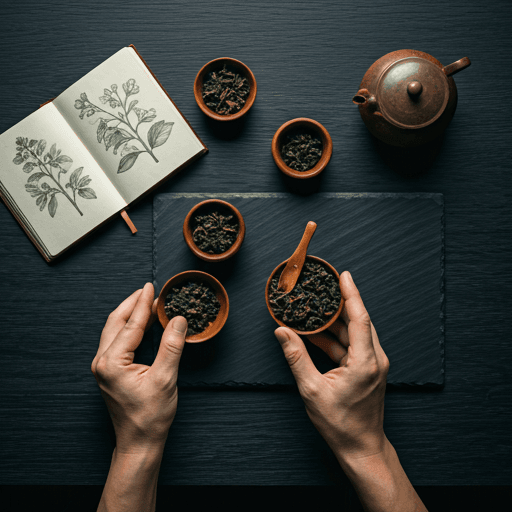
Genmaicha tea is a traditional Japanese green tea blended with roasted brown rice, which gives it a warm, nutty, toasty, lightly savory character on top of a mellow green-tea base. It is often nicknamed "popcorn tea" because a few rice grains pop during roasting and because the toasty aroma is so comforting. If you find plain green tea a little grassy or sharp, genmaicha is one of the easiest and friendliest greens to fall for.
Below we explain what genmaicha actually is, where the rice comes in, how it tastes, why it tends to be lower in caffeine than many straight green teas, and exactly how to brew it so it stays sweet rather than bitter.
What is genmaicha tea?
Genmaicha (sometimes written as "genmai tea" in English) is made by blending loose-leaf Japanese green tea with roasted brown rice. The name says it plainly: genmai means brown rice and cha means tea, so genmaicha is literally brown rice green tea. The two are usually mixed at roughly half-and-half by volume, which is part of why the cup tastes so distinct from a standard green tea.
The green-tea base is most often bancha, an everyday Japanese green made from more mature, later-harvest leaves. Some blends use sencha instead, which makes a slightly fresher, more refined version with a crisper green note. The rice is roasted (and partly popped) until it is golden and fragrant, then folded through the leaves. Because the rice takes up so much of the blend, you are really tasting a partnership rather than tea with a hint of something added.
A popular variation is matcha-iri genmaicha, where a little powdered matcha is dusted into the blend. The matcha gives the brewed cup a brighter green color and a rounder, slightly creamier body. If you like the idea of a richer, greener pour, look for that "matcha-iri" label on the package.
Where genmaicha comes from
Genmaicha is firmly a Japanese tea, and its likely backstory is a humble, economical one. The rice is thought to have been added to stretch a smaller quantity of tea leaves further, making a satisfying, warming drink that was affordable for everyday households. Whatever its exact origins, that practical, comforting spirit still defines it. This is a tea for daily sipping rather than a rare ceremonial showpiece, and that is exactly its charm. For the bigger picture of where green tea sits among the world's teas, our overview of the types of tea explained is a good companion read, and all true teas trace back to the same plant, Camellia sinensis.
What does genmaicha taste like?
The pleasure of genmaicha is the contrast. The green-tea leaves bring a light, fresh, slightly vegetal note, while the roasted rice adds a toasty, nutty, grain-forward sweetness that reads almost like warm popcorn or fresh bread crust. The result is comforting and a touch savory, with low astringency and very little of the sharp, bitter edge that can put people off plain green tea.
Most cups land in pale gold to light green, depending on the blend and whether matcha has been added. The aroma is the giveaway: toasted, cereal-like and inviting. It is an easy tea to drink without milk or sugar, and it pairs naturally with food, which we come back to below.
Genmaicha caffeine and general appeal
One reason people reach for genmaicha is that it is usually lower in caffeine than many straight green teas. The logic is simple: the rice contributes no caffeine at all, and because it replaces a big share of the leaves in the blend, the finished cup carries less caffeine per serving. As a rough guide, genmaicha is often cited at around 10 mg of caffeine per 100 ml, while a plain sencha can sit closer to 20 mg per 100 ml. Exact numbers vary with the base tea, the leaf used, water temperature and steep time, so treat these as ballpark figures rather than fixed values.
That gentler caffeine level, plus the soothing toasty flavor, is why many people enjoy genmaicha later in the day or alongside a meal. When it comes to genmaicha benefits, keep expectations grounded: it is a green tea, so it shares the general qualities of green tea, and many drinkers simply find it easy to sip and gentle on the stomach. We keep wellness talk general here rather than medical; for a balanced look at the research, see our explainer on green tea benefits. If you are sensitive to caffeine, are pregnant, or take medication, it is always sensible to check with a health professional about your overall intake.
Genmaicha vs hojicha: two toasty Japanese greens
Genmaicha and hojicha are easy to confuse because both are warm, toasty Japanese green teas with low astringency, but they get there in completely different ways. The simplest way to remember it: genmaicha is green tea plus roasted rice, while hojicha is the tea leaves themselves roasted (often stems and twigs too) over high heat. Hojicha tends to be reddish-brown in the cup with a deeper, smoky-caramel roast and even lower caffeine; genmaicha keeps more of a fresh green character because only the rice is toasted, not the leaves. If you love one, you will probably enjoy the other. Our full guide to hojicha, the roasted green tea, covers that side in depth.
| Genmaicha attribute | Detail |
|---|---|
| Base tea | Japanese green tea, usually bancha (sometimes sencha) |
| Add-in | Roasted, partly popped brown rice (genmai), roughly half the blend by volume |
| Flavor | Toasty, nutty, grain-like and savory over a light, fresh green base; low astringency |
| Caffeine | Lower than most straight greens (often cited near 10 mg per 100 ml; varies) |
| Brew temperature | Cooler than boiling, about 80-85C (175-185F) |
| Common variation | Matcha-iri genmaicha (a little matcha added for color and richness) |
How to brew genmaicha tea
Genmaicha is one of the most forgiving Japanese green teas to brew, partly because the roasted rice is far less temperature-sensitive than delicate leaves. Still, a few simple choices keep it sweet and toasty rather than bitter. Here is a reliable method.
- Heat the water to below boiling. Aim for roughly 80-85C (175-185F). If you do not have a thermometer, boil the kettle and let it stand for a couple of minutes, or pour the hot water into an empty cup first to shed some heat before it touches the leaves.
- Measure the leaf. Use about 1 teaspoon per cup, or closer to a tablespoon if your blend is light and bulky with rice. Genmaicha takes up more volume than dense leaf teas, so go by feel.
- Steep briefly. Pour the water over the leaves and steep for about 30 seconds to 1-2 minutes. Shorter steeps keep it sweet and rounded; longer steeps pull out more body but also more astringency.
- Pour off completely. Decant all the liquid so the leaves are not left sitting in water, which would over-extract the next infusion.
- Re-steep. Genmaicha is happy to give a second and often third infusion. Nudge the temperature up slightly and shorten or lengthen the steep to taste.
Drink it plain, with no milk or sugar. The toasty rice already supplies a natural sweetness, and additions tend to muddy it. For the fundamentals that apply to any leaf, our general guide on how to make tea walks through water, ratios and timing.
When to drink genmaicha
Genmaicha shines as a comforting, anytime tea, and it is especially good with food. The toasty, savory note works beautifully alongside rice dishes, sushi, grilled and salty foods, and simple snacks, where it cleanses the palate without overpowering anything. Its gentler caffeine also makes it an easy choice for an afternoon or evening cup when you want flavor without a big jolt.
The bottom line
Genmaicha is proof that a humble idea, green tea stretched with roasted rice, can produce something genuinely special: a warm, nutty, popcorn-scented cup that is forgiving to brew and easy to love. If its toasty side appeals to you, explore hojicha next for the roasted-leaf version, or keep wandering the wider world of green and Japanese teas. Brew a pot, notice that toasted-rice aroma, and you will understand why this everyday tea has stayed a favorite for so long.