
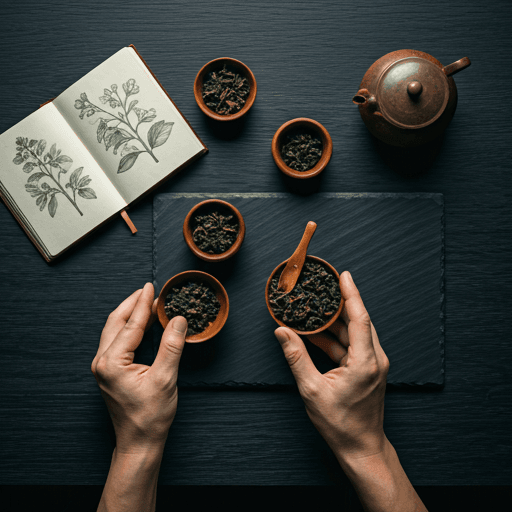
Does ginger tea have caffeine? No — a cup of pure ginger tea is naturally caffeine-free. It is a herbal tisane brewed from the spicy ginger root, not from the leaves of the tea plant (Camellia sinensis), and only that plant naturally carries caffeine. That is exactly why ginger tea is such a popular warming, any-time and evening drink.
If you are cutting back on stimulants or just want something cozy before bed, plain ginger tea is one of the safest bets on the shelf. The one thing to watch is the label: a ginger blend that also contains real tea, or a spiced chai built on a black-tea base, is a different story. Below is exactly why, plus a quick decoder table.
Does Ginger Tea Have Caffeine? The Short Answer
Pure ginger tea has no caffeine. When you steep fresh ginger slices or dried ginger in hot water, you are making an infusion of a root — a spice — with nothing in it that produces caffeine. Botanically, "tea" in the strict sense means the leaves of the Camellia sinensis plant, and caffeine is a compound that plant makes. A ginger infusion never touches that plant, so there is simply no caffeine to extract.
This is why herbalists and drink menus often call ginger tea a "tisane" rather than a true tea. If the whole category is new to you, our overview of what herbal tea is explains how tisanes differ from the leaf teas most people picture.
The one-line rule
If a drink is made only from ginger — plus caffeine-free extras like lemon, honey or mint — it is caffeine-free. The moment real tea leaves join the cup, caffeine comes with them.
Why Ginger Tea Has No Caffeine to Begin With
Green, black, white and oolong teas all come from the same species, Camellia sinensis. They taste wildly different because of how the leaves are processed and oxidised, but they share one trait: every one of them contains caffeine. You can read the full picture in our guide to whether true tea contains caffeine.
Ginger is not a tea leaf at all — it is a rhizome, the knobbly underground stem of the ginger plant. Roots and rhizomes like ginger, turmeric and liquorice do not produce caffeine. So does ginger have caffeine on its own? No. A ginger tea does not "lose" its caffeine during brewing or need to be decaffeinated; it never had any. That puts it in the same naturally caffeine-free family as peppermint, chamomile and rooibos — a group we cover in our explainer on caffeine-free tea.
This distinction matters if you are actively avoiding stimulants. A decaffeinated green or black tea has had most — but not quite all — of its caffeine removed, so a trace remains. Ginger tea is different: there is nothing to remove, which is why it is described as naturally caffeine-free rather than decaffeinated. For a caffeine-sensitive drinker, that can be a meaningful difference.
The "Warming, Energizing" Feeling — Without Caffeine
Ginger tea can feel invigorating, and that surprises people who assume a lively drink must be caffeinated. What you are noticing is ginger's natural pungency — the zingy, slightly spicy heat from compounds such as gingerol — not a stimulant kick. Many people find a hot ginger tea warming and refreshing, but that sensation is about flavour and warmth, not a jolt of energy the way caffeine works.
It is a useful reminder that "energizing" and "caffeinated" are not the same thing. A bright, aromatic drink can perk up your senses through flavour and warmth alone, and ginger does this especially well because its heat lingers on the palate. Responses vary from person to person, and this is not medical advice — but as a rule, a plain ginger brew is unlikely to interfere with winding down in the evening.
The Exception to Check: Blends, Chai and Bottled Drinks
Here is where "ginger tea" gets slippery. The name is used loosely on menus and packaging, and several popular ginger drinks are not caffeine-free:
- Ginger and green or black tea blends. Many bagged "ginger teas" pair ginger with real tea leaves for body. Because they contain Camellia sinensis, they carry caffeine.
- Masala chai and spiced chai with ginger. Traditional chai is built on a black-tea base with ginger and other spices, so it is a caffeinated drink, not a herbal one.
- Bottled or ready-to-drink ginger tea. Some ready-made ginger drinks add tea extract or green-tea caffeine. The only way to know is to read the label.
- Ginger ale and ginger beer. These are sodas, not teas — usually caffeine-free, but sweetened and carbonated, a different drink entirely.
The takeaway: if the ingredient list says only ginger and other herbs or fruit, you are caffeine-free. If it lists "black tea," "green tea," "tea extract" or simply "caffeine," treat it as a caffeinated drink.
Ginger Tea vs True Teas, Chai and Coffee: A Caffeine Decoder
| Drink | Caffeine? | Why |
|---|---|---|
| Pure ginger tea (root only) | No | A herbal tisane; no tea leaf involved |
| Green, black, white or oolong tea | Yes | True teas from Camellia sinensis |
| Ginger + green/black tea blend | Yes | The added tea leaf brings caffeine |
| Masala chai with ginger | Yes | Brewed on a black-tea base |
| Bottled ready-to-drink ginger tea | Check the label | Some add tea or caffeine, some don't |
| Coffee | Yes | Typically the most caffeine per cup |
The caffeine content of a ginger drink comes entirely from any true tea blended into it — a pure ginger tea has essentially none. So when people ask about the caffeine in ginger tea, the honest answer is that it depends completely on whether real tea leaves are in the cup. Exact amounts in the caffeinated options also vary by leaf, blend, brewing time and serving size, so treat the "yes" rows as directional rather than precise.
Why People Choose Ginger Tea
Being caffeine-free is a big part of ginger tea's appeal, and it pairs with a few other draws:
- Any-time, including evening. With no caffeine to worry about, it is an easy late-afternoon or before-bed cup.
- Warming and soothing. That spicy heat is comforting in cold weather or when you simply want something with more character than plain hot water.
- Lovely hot or iced. Steep it strong, chill it and add lemon for a refreshing summer version.
- Easy to make your own. Fresh root, dried slices or a tea bag all work, and it takes well to lemon, honey or a little mint.
If you want to actually brew a great cup — ratios, fresh versus dried ginger and flavour pairings — see our dedicated guide to ginger tea and how to make it.
A Light Note on Ginger Tea and Wellness
Ginger has a long history as a comforting drink, and many people reach for it when they feel queasy or after a heavy meal. Research is ongoing and results vary, so we will keep this general: some people find a warm ginger tea settling, but that is a matter of personal experience rather than a guaranteed effect. This is not medical advice, and responses vary from person to person.
If you are pregnant, taking medication, or managing a health condition, it is worth asking your own healthcare provider before making ginger tea a regular habit. The reliable fact to hold on to is simply this: a pure ginger brew is caffeine-free; everything beyond that is personal.
The Bottom Line
Pure ginger tea is caffeine-free, full stop — it is a root infusion, not a leaf tea, so there is no caffeine to begin with. The zippy warmth you feel is ginger's spice, not a stimulant. Just scan the label when you buy a "ginger tea," because a blend with real tea leaves, a spiced chai or a bottled version can quietly bring caffeine along. Keep it to plain ginger and you have a cozy, any-hour cup you can enjoy right up to bedtime.