
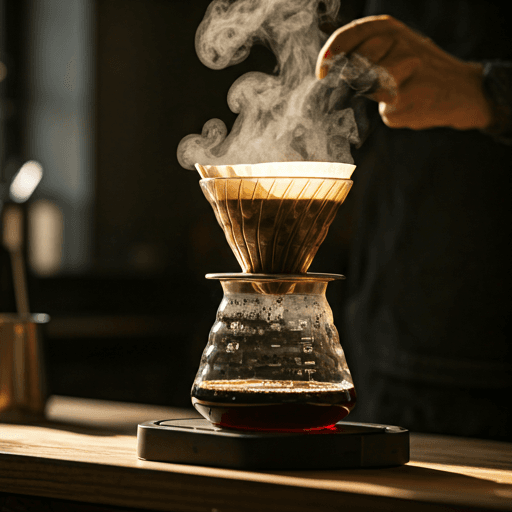
When you put coffee vs energy drinks side by side, both wake you up with the same core stimulant — caffeine — but they arrive in very different packages. A cup of coffee is a simple brewed drink whose caffeine, roughly 80 to 100 mg per 8 oz cup, usually comes with little else. An energy drink is a formulated product that adds sugar, other ingredients like taurine and sometimes B-vitamins, and its caffeine can vary widely. So the biggest differences are the added sugar and the mix of extra ingredients, not the caffeine itself.
This is an editorial explainer, not health guidance. Responses to caffeine vary a lot from person to person, so treat every number below as a rough range and this article as general information — it is not medical advice.
Coffee vs energy drinks: the short answer
The simplest way to think about energy drinks vs coffee is plain versus formulated. Both rely on caffeine to make you feel more alert, and gram for gram that caffeine behaves the same whichever drink it came from. The difference between coffee and energy drinks is everything around the caffeine.
Black coffee is basically water that has passed through ground roasted beans. There is caffeine, some natural coffee compounds and aroma, and — if you drink it black — almost nothing else. An energy drink is engineered: a manufacturer chooses the caffeine dose, then builds a flavor and formula around it with sweeteners, acids, taurine, vitamins and sometimes plant extracts like guarana. One is an agricultural drink; the other is a designed product. That single distinction drives most of what follows.
Caffeine amounts: coffee or energy drink caffeine
If your only question is coffee or energy drink caffeine, the honest answer is that it depends on the specific coffee and the specific can. A standard 8 oz brewed coffee lands around 80 to 100 mg of caffeine, though a large café cup or a strong brew can push higher. Espresso is more concentrated per ounce but smaller, so a single shot is often in a similar ballpark to a modest cup.
Energy drinks are harder to generalize. Many cans sit somewhere around 80 to 160 mg, but the category is wide: some are deliberately low, and others are marketed as high-strength and carry far more per container, occasionally in the several-hundred-milligram range. Because the spread is so large, the label is the only reliable source — always read it. For a fuller breakdown of what different cans contain, see our guide to caffeine in energy drinks, and for a side-by-side of many everyday drinks, caffeine in drinks compared.
Sugar and calories
Here is where the two diverge most clearly. Many energy drinks are sweetened, and a regular (non-diet) can can carry a meaningful amount of sugar and calories as part of its flavor. That is a formulation choice, not a caffeine requirement.
Black coffee, by contrast, has essentially no sugar and almost no calories. Of course, once you add syrups, sweetened creamers or a few spoons of sugar, a coffee drink can catch up quickly — a large flavored café order is a different beast from a plain cup. But the base drink itself is unsweetened, which is a genuine, neutral point of difference. Sugar-free and diet energy drinks exist too and remove most of that gap, so read the specific product rather than assuming.
Other ingredients: taurine, B-vitamins and guarana
Beyond caffeine and sugar, energy drinks often include a supporting cast that coffee simply does not have:
- Taurine — an amino acid commonly added to energy-drink formulas.
- B-vitamins — such as B6 and B12, often added in notable amounts.
- Guarana — a plant extract that itself contains caffeine, so it can add to the total caffeine without always being obvious on the front label.
- Sweeteners, acids and flavorings — the building blocks of a shelf-stable formulated drink.
Coffee, meanwhile, is just coffee: roasted beans and water, plus whatever milk or sweetener you choose to add. We are describing what is in each drink, not making any claim that one set of ingredients is better or worse for you.
How they feel
Because the active stimulant is the same, a comparable dose of caffeine from either drink tends to produce a broadly similar lift in alertness. The subjective experience differs mostly in delivery: a small strong espresso hits fast, while a big cold sipped can is spread over a longer window.
The sugar is the wrinkle. A heavily sweetened drink can give a quicker feel-good spike followed by a larger dip once it wears off, which many people describe as a crash — though how much you notice this varies with the person, the dose and what you last ate. If you have felt that afternoon slump, our note on the side effects of energy drinks unpacks the sugar-and-caffeine combination in more detail.
Does one work faster or stronger?
A common assumption is that an energy drink is somehow "stronger" than coffee. In practice, the punch you feel tracks the caffeine dose, not the packaging or the marketing. A concentrated espresso can deliver its caffeine quickly, while a tall energy drink sipped over an hour releases it more gradually — so the same total caffeine can feel sharper or gentler depending on how fast you drink it and whether your stomach is empty. Real differences in onset and how long the lift lasts come down to dose, how quickly you consume it, and your own tolerance and metabolism — none of which is unique to energy drinks. A big, strong coffee behaves much the same way, so treat "stronger" as a question about milligrams rather than about the drink category.
Coffee vs energy drinks at a glance
| Attribute | Coffee | Energy drinks |
|---|---|---|
| What it is | Brewed drink from roasted beans and water | Formulated, manufactured product |
| Caffeine (rough) | ~80–100 mg per 8 oz cup | Widely variable, often ~80–160 mg/can, some far higher |
| Added sugar | None if black; depends on what you add | Often sweetened (diet/zero versions exist) |
| Other ingredients | Just coffee (plus optional milk/sugar) | May add taurine, B-vitamins, guarana, flavorings |
| Format | Freshly brewed, hot or iced | Pre-packaged can or bottle, grab-and-go |
| Consistency | Varies with beans, grind and brew | Standardized batch to batch |
Note the ranges are approximate and brand-dependent — always check the label on a specific can.
Cost and ritual
Setting money aside, the two live in different rhythms. Coffee is a ritual you make: grinding, brewing, steaming milk, the pause while it drips. Part of its appeal is the ceremony and the warm cup in hand. Energy drinks are built for convenience — pop the tab, drink, done — which is why they suit situations where you want a fixed, portable caffeine dose without any preparation. Neither approach is inherently superior; they simply solve different moments in a day.
Is coffee better than energy drinks?
People often ask, flatly, is coffee better than energy drinks — but there is no single verdict, and we are not going to hand out a health ruling. What we can say factually is that black coffee is a simpler drink with fewer added ingredients, while energy drinks bundle caffeine with sugar and a formulated mix. Which one fits you depends on your taste, your routine and how sensitive you are to caffeine and sugar.
Whatever you choose, caffeine adds up across the day from every source — coffee, tea, soda and energy drinks alike. Most general guidance frames a moderate daily caffeine ceiling for healthy adults; our overview of how much caffeine per day is a sensible reference point. Teenagers, people who are pregnant or breastfeeding, and anyone who is caffeine-sensitive should be especially cautious with high-caffeine energy drinks, and should ask their own healthcare provider about what is appropriate for them. Again, responses vary, and this is general information rather than medical advice.
In the end, coffee and energy drinks are two answers to the same question: how do I feel more awake? Coffee keeps it plain and ritual-driven; energy drinks package that same caffeine with sugar and extras for grab-and-go convenience. Know roughly what is in your cup or can, read the label when the numbers matter, and pick the one that fits the moment.