
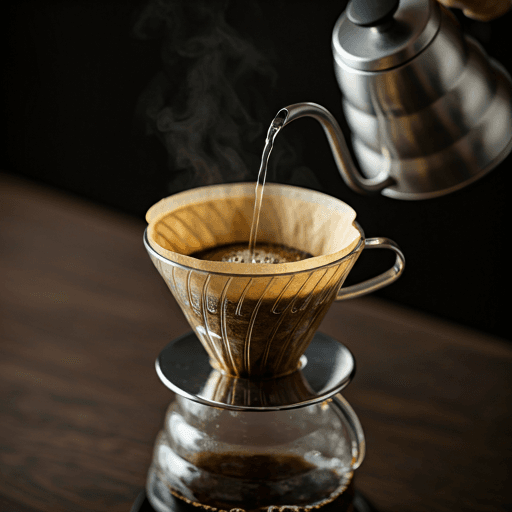
If you have ever wondered why one espresso wakes you up while a whole can of cola barely registers, the answer is in the numbers. The caffeine in drinks ranges from a couple of milligrams in a cup of decaf to 200 mg or more in a single energy shot, and the gap comes down to the plant, the brewing method and the size of the serving. This is the hub guide to caffeine drinks: a clear, sourced comparison of how much caffeine is typically in coffee, tea, matcha, soft drinks, energy drinks and chocolate, why the amounts swing so widely, and what counts as a sensible daily limit. It is general information, not medical advice.
Caffeine is the same molecule wherever it turns up. What changes is the dose. Below is a quick map across the most common categories, then a closer look at each one and the factors that move the figure up or down. For the full picture of how caffeine works in the body, see our caffeine explained guide.
How caffeine drinks compare
Here is a typical-serving comparison. Treat every figure as an approximate average, not a guarantee. Real values depend on the bean or leaf, the recipe and the exact size you pour, and packaged products vary by brand and country, so always check the label when one is printed.
| Drink | Typical serving | Approx. caffeine |
|---|---|---|
| Brewed / drip coffee | 8 oz (240 ml) | ~95 mg |
| Instant coffee | 8 oz (240 ml) | ~60 mg |
| Espresso | 1 oz shot (30 ml) | ~63 mg |
| High caffeine coffee (large, extra-strong or robusta) | 12-16 oz (350-475 ml) | ~200-350 mg |
| Decaf coffee | 8 oz (240 ml) | ~2-15 mg |
| Black tea | 8 oz (240 ml) | ~40-70 mg |
| Green tea | 8 oz (240 ml) | ~20-45 mg |
| Matcha | 1 tsp / 2 g whisked | ~40-70 mg |
| Cola (regular) | 12 oz (355 ml) | ~34 mg |
| Diet cola | 12 oz (355 ml) | ~46 mg |
| Energy drink | 8.4-16 oz (250-475 ml) | ~80-160 mg |
| Energy shot | ~2 oz (60 ml) | ~200 mg |
| Dark chocolate (70%+) | 1 oz (28 g) | ~20-35 mg |
The headline pattern: brewed coffee usually carries the most caffeine per ordinary cup, tea sits in the middle, soft drinks are lower than most people assume, and energy drinks and shots are the wild cards because they concentrate a lot into a small package. Chocolate is real but minor.
Why caffeine amounts vary so much
Four factors explain almost all of the spread in the table.
The plant and the bean
Coffee comes mainly from two species. Robusta beans hold roughly twice the caffeine of arabica, so a robusta-heavy blend brews stronger than a smooth arabica even at the same volume. That is one reason a budget instant or a bold commercial blend can punch above a specialty single origin. In tea, the leaf and how finely it is processed matter too.
The brewing method
Longer contact between water and grounds pulls out more caffeine. A slow drip or a French press extracts more than a quick pass, and hotter water extracts faster. This is also why espresso is deceptive: it is intense per ounce, but the serving is tiny, so a single shot at about 63 mg often holds less total caffeine than a full mug of drip. Our caffeine in espresso deep-dive unpacks the per-shot-versus-per-cup math.
The serving size
Size quietly does most of the work. The often-quoted 95 mg figure is for an 8 oz cup, but a large cafe coffee can be 16 oz or 20 oz and climb past 200 mg without being any stronger per ounce. For the full breakdown, see how much caffeine is in a cup of coffee.
Steep time and a roast myth
For tea, the steep is the dial: a few minutes longer in the cup meaningfully raises the caffeine. And a common myth worth retiring: a dark roast is not noticeably stronger in caffeine than a light roast. Roast level changes flavor far more than it changes the caffeine number.
Coffee, from a single shot to high caffeine coffee
Brewed or drip coffee averages around 95 mg per 8 oz cup, though the honest range runs roughly 70 to 140 mg depending on grind, dose and brew time. Instant coffee tends to land a little lower, often near 60 mg a cup. So-called high caffeine coffee is not a different species so much as a combination of choices: a robusta-forward blend, a generous dose of grounds, a long extraction and, above all, a big cup. Stack those and a single large drink can deliver 200 to 350 mg, which is most of a typical day's caffeine in one go. There is nothing wrong with that for many adults, but it is worth knowing you are drinking the equivalent of several standard cups, not one.
Tea and matcha
All true tea, from white to green to black, comes from the same plant and contains caffeine. Black tea typically gives 40 to 70 mg per cup and green tea 20 to 45 mg, with steep time and leaf quantity moving the needle. Matcha is the interesting case: because you whisk the whole powdered leaf into the water and drink it rather than discarding a bag, a standard 2 g serving delivers a coffee-like 40 to 70 mg. Matcha also carries L-theanine, an amino acid many drinkers associate with a calmer, more even lift. Herbal infusions like chamomile, peppermint and rooibos are a separate story entirely, covered in our caffeine-free tea explained guide.
Soft drinks, energy drinks and shots
Cola is milder than its reputation. A 12 oz regular cola holds about 34 mg, and a diet cola often a touch more at around 46 mg, while citrus sodas like Mountain Dew sit near 54 mg and most clear lemon-lime drinks and many root beers have none at all. The full soda rundown lives in caffeine in soda explained.
Energy drinks are where the figures jump. A small 8.4 oz Red Bull is about 80 mg, a 16 oz Monster about 160 mg, and newer wellness-style cans such as Celsius cluster around 200 mg. Energy shots concentrate hardest: a roughly 2 oz shot like 5-hour Energy packs about 200 mg into a couple of mouthfuls. Because the dose is large and fast, these are the easiest drinks to overdo. Our caffeine in energy drinks guide compares brands and serving sizes in detail.
Decaf and lower-caffeine options
Decaf is low, not zero. A cup of decaf coffee usually holds about 2 to 15 mg of residual caffeine, enough to add up if you drink several but trivial next to the regular version. If you want to cut back without giving up the ritual, decaf coffee, herbal tisanes and most clear sodas are the reliable low-caffeine routes. People who use pills, gum or powder to add caffeine instead should read our cautionary caffeine supplements guide first, because concentrated sources are far easier to overdo than a cup of coffee.
How much caffeine is safe?
Many health authorities cite up to about 400 mg of caffeine a day as moderate for most healthy adults, roughly the equivalent of three to four standard cups of brewed coffee. Single doses above about 200 mg at once are more likely to bring jitters, a racing heart or disturbed sleep, especially if you are sensitive or not used to it.
Some groups are advised to take in less. ACOG and the NHS commonly advise people who are pregnant to keep caffeine to about 200 mg a day or less. Teenagers, children and anyone with anxiety, heart conditions or sleep trouble are generally steered well below the adult figure. Caffeine also clears at very different speeds from person to person, so the same drink can feel mild to one person and overwhelming to another.
These numbers are widely-cited general guidance, not a personal prescription. Caffeine reaches you through many foods, drinks and some medicines at once, so it is the daily total that matters, not any single cup. For your own safe limit, especially during pregnancy or if you take medication or have a heart or anxiety condition, talk to a doctor, midwife or pharmacist.
The takeaway
Caffeine drinks are easy to compare once you separate strength from size: a small espresso is concentrated but modest in total, a big cup of high caffeine coffee can quietly carry a day's worth, and energy shots pack the most into the least. Knowing the rough figure for what you drink most often is the simplest way to stay in a comfortable range. Each category above links to its own deep-dive, so branch into whichever one you reach for most, or keep exploring our coffee hub and tea hub.