
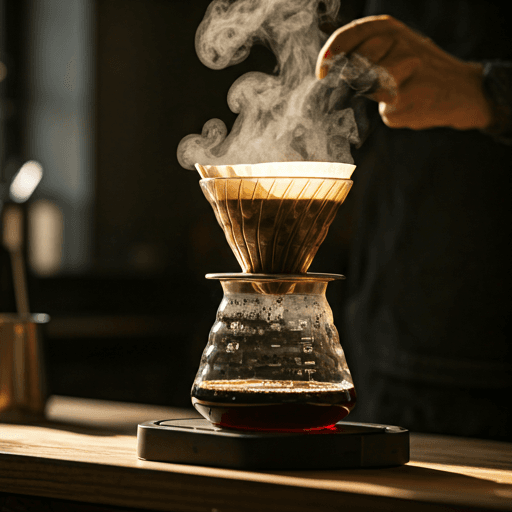
The caffeine in a Coke is modest: a 12 oz (355 ml) can of classic Coca-Cola has about 34 mg, which is less than a third of what a typical cup of brewed coffee delivers. Most colas land somewhere between 30 and 55 mg per can, and many clear sodas and root beers have none at all. Below is how the popular brands stack up, why a diet version sometimes carries more than the regular, and how soda compares with coffee, tea and energy drinks.
The caffeine in a Coke, can by can
The caffeine in a Coke comes to roughly 34 mg per 12 oz (355 ml) can of classic Coca-Cola. That figure is a manufacturer-reported average, not a precise measurement, and it can shift slightly by country and recipe. For comparison, an 8 oz cup of drip coffee holds about 95 mg, so a can of cola is closer to a quarter or a third of a coffee than a match for it.
One quirk catches a lot of people out: Diet Coke actually has more caffeine than regular Coke, at about 46 mg per can. Coca-Cola Zero Sugar, despite also being a no-sugar drink, sits back at roughly 34 mg, the same as the classic. So "diet" and "zero" are not interchangeable when it comes to the caffeine in a Coke. The lesson that runs through this whole topic: amounts vary by formula and serving size, so the label is the only authority for the exact can in your hand.
Caffeine in popular sodas, compared
The table below lists widely cited, manufacturer-reported caffeine figures per 12 oz (355 ml) serving for mainstream sodas. Treat them as typical and approximate. Larger bottles and fountain sizes scale up; a 20 oz bottle carries roughly 1.7 times the listed amount.
| Soda (12 oz / 355 ml) | Approx. caffeine | Notes |
|---|---|---|
| Coca-Cola Classic | ~34 mg | The baseline cola figure |
| Diet Coke | ~46 mg | Higher than regular Coke |
| Coca-Cola Zero Sugar | ~34 mg | Matches classic, not Diet Coke |
| Pepsi | ~38 mg | A touch above Coca-Cola |
| Pepsi Zero Sugar | ~69 mg | Much higher than regular Pepsi |
| Dr Pepper | ~41 mg | Regular, diet and zero are similar |
| Mountain Dew | ~54 mg | One of the higher mainstream sodas |
| Mountain Dew Zero Sugar | ~68 mg | Noticeably above regular Dew |
| Sprite, 7Up, Sierra Mist | 0 mg | Lemon-lime sodas, caffeine-free |
| Most root beers (e.g. A&W) | 0 mg | Barq's regular is the exception, ~22 mg |
So among the household names, regular Coca-Cola and Coke Zero are at the low end of caffeinated colas, Pepsi and Dr Pepper sit a little higher, and Mountain Dew leads the regular pack. The no-sugar versions are the wild cards: Pepsi Zero Sugar and Mountain Dew Zero Sugar carry far more caffeine than their full-sugar counterparts, while Coke Zero does not. If you are tracking cola caffeine or diet cola caffeine content closely, never assume the diet or zero edition matches the original.
Why Diet Coke has more caffeine than regular
The higher caffeine in a Diet Coke is deliberate, and it is about taste rather than energy. Caffeine has a faintly bitter edge, and in a sugar-free drink there is no sweetness to round it out, so a little extra caffeine helps build the crisp, slightly sharp profile that defines Diet Coke. In full-sugar Coca-Cola, sugar and other flavours mask that bitterness, so less caffeine is needed. This is also why diet cola caffeine content and Coke Zero caffeine can differ from one another even within the same family: each recipe is tuned for its own flavour, not for a fixed dose. The same logic answers the common question of Coke Zero, how much caffeine it has versus Diet Coke: less, because its flavour is built differently.
Why does soda have caffeine at all?
It is a common myth that cola caffeine comes from the kola nut. The kola nut did flavour early colas and does contain caffeine, but modern mass-market sodas use added, purified caffeine rather than relying on the nut. Manufacturers add it chiefly as a flavour agent: caffeine contributes a subtle bitterness that balances the sweetness and gives colas part of their signature taste. The mild lift is a side effect, not the main reason it is there.
That explains why citrus and clear sodas can go either way. Some are caffeine-free by design, while a few citrus sodas add caffeine for the same bitter-balancing reason a cola does. The only way to know a specific drink is to read its label or the maker's published figures, since formulas differ between markets.
Which sodas are caffeine-free?
Plenty of popular sodas contain no caffeine at all. Lemon-lime drinks such as Sprite, 7Up and Sierra Mist are caffeine-free, as are most root beers, ginger ales, cream sodas and the bulk of fruit-flavoured sodas. The best-known exception is regular Barq's root beer, which adds about 22 mg per 12 oz, while diet Barq's is caffeine-free, a neat illustration that the caffeine is an optional flavour choice rather than a fixed part of the style.
Most big cola and citrus brands also sell explicitly caffeine-free versions, often labelled as such on the can. If avoiding caffeine matters to you, those clearly marked editions are the safest bet, but the label always wins over any general rule.
Soda vs coffee, tea and energy drinks
Per serving, soda is generally one of the gentler sources of caffeine. A 12 oz can of even a strong cola tops out around 54 mg, while an 8 oz cup of brewed coffee runs about 95 mg and a single espresso shot is roughly 63 mg. Energy drinks are in another league: an 8.4 oz Red Bull has about 80 mg, a 16 oz Monster around 160 mg, and a 12 oz Celsius about 200 mg.
| Drink | Typical size | Approx. caffeine |
|---|---|---|
| Cola (Coca-Cola) | 12 oz / 355 ml | ~34 mg |
| Mountain Dew | 12 oz / 355 ml | ~54 mg |
| Brewed coffee | 8 oz / 240 ml | ~95 mg |
| Espresso | 1 shot | ~63 mg |
| Red Bull | 8.4 oz / 250 ml | ~80 mg |
| Monster | 16 oz / 473 ml | ~160 mg |
| Celsius | 12 oz / 355 ml | ~200 mg |
The catch with soda is not the caffeine but the sugar: a regular cola packs a lot of it, and a 20 oz bottle of caffeinated soda can quietly add up if you drink several. The caffeine stays low per serving, but the sugar does not. For a full ladder of drinks side by side, see our comparison of caffeine in drinks, and for the high end of the scale, our guide to caffeine in energy drinks.
How much caffeine is safe?
Many health authorities cite about 400 mg of caffeine a day as a moderate amount for most healthy adults. At soda levels, that is a lot of cans, so soft drinks rarely push an adult over the line on their own. The picture changes when you combine sources, when servings are large, or for people who are more sensitive to caffeine.
Children and teenagers should have considerably less, and in pregnancy bodies such as ACOG and the NHS commonly advise keeping caffeine to about 200 mg a day. Remember that caffeine also hides in coffee, tea, chocolate and some medicines, so soda is only one slice of your total. This is general information, not medical advice; talk to a clinician about the right limit for you. To understand how caffeine works in the body, see our explainer on caffeine, and for the drink most people measure everything against, how much caffeine is in a cup of coffee.
The bottom line
Soda is a real but light source of caffeine: a classic Coke sits near 34 mg a can, most colas fall between 30 and 55 mg, the diet and zero versions can surprise you in either direction, and a whole category of clear sodas and root beers carries none at all. When in doubt, read the label, watch the sugar as much as the caffeine, and remember that your morning coffee almost certainly outweighs your afternoon cola. If you want to keep exploring, our wider caffeine comparison and our coffee guides pick up where this one leaves off.