
Knowledge Base
Coffee & Tea Guides
Brew better and explore more — buying guides, how-tos, and explainers for every coffee and tea ritual.
Explainer
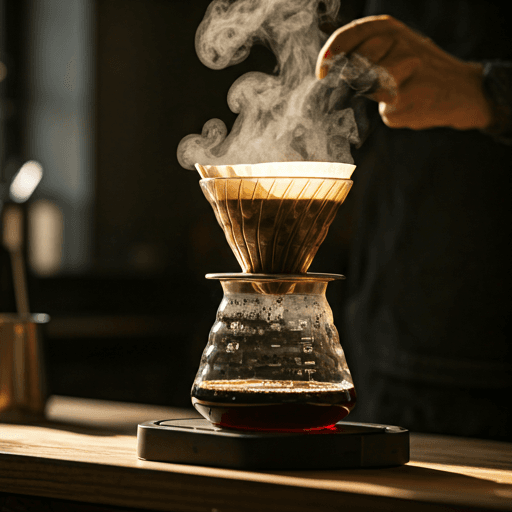
Non-Dairy Coffee: Choosing the Best Plant Milks for Your Cup
Non-dairy coffee means swapping cow's milk for a plant milk — oat, soy, almond, coconut, pea and more. Here's how each one froths, which curdle, and how to pick the best plant milk for your cup.
Explainer
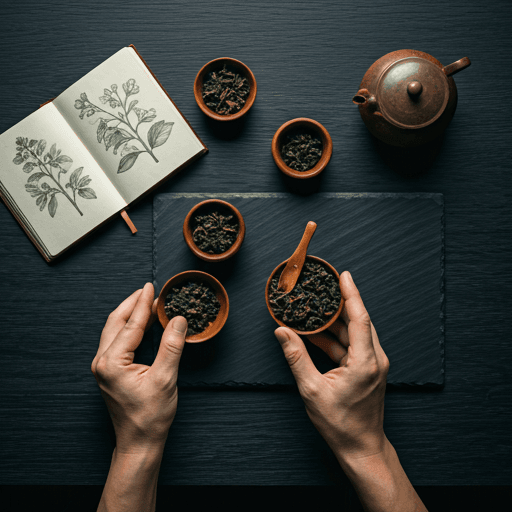
Passionflower Tea: Benefits and How to Steep It
Passion flower tea is a caffeine-free herbal infusion traditionally used to calm the mind and ease sleep. Here are its real, hedged benefits, how to steep it, and the safety cautions that matter.
Explainer
Palo Azul Tea: Benefits, the Blue Glow, and How to Prepare It
Palo azul tea is a caffeine-free Mexican bark brew that glows fluorescent blue. Here are its traditional kidney and hydration uses, the honest truth about the detox and drug-test myth, and how to prepare it — with clear safety notes.
Explainer
Osulloc Tea: A Guide to the Korean Jeju Tea Brand
Osulloc (O'sulloc) is South Korea's premium tea brand, built on organic green tea from volcanic Jeju Island. Here's the story, the estates, the signature tangerine blends, and how to start.
Explainer
Organic Herbal Tea: What It Means and How to Choose
Organic herbal tea is a caffeine-free tisane of herbs, flowers, roots or fruit grown to a certified standard. Here's what the seal really promises and how to pick a good one.
Explainer
What Is Organic Tea? What the Label Really Means
Organic tea is Camellia sinensis grown and processed without synthetic pesticides and certified to a real standard. Here is what the seal actually guarantees, why it matters more for tea than for washed foods, whether it tastes better, and how to tell certified organic from unregulated "natural" marketing.
Explainer
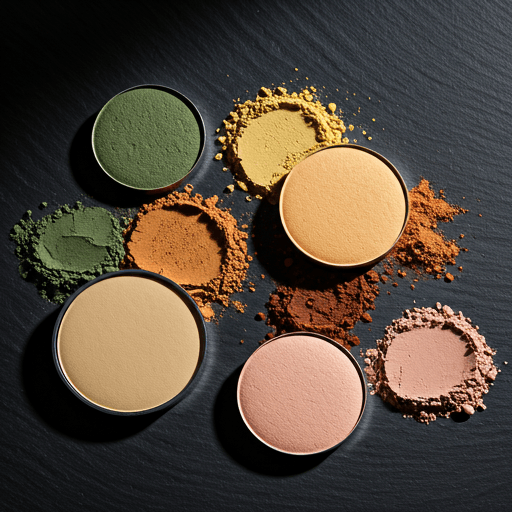
Orange Pekoe Tea: What the Grade Really Means
Orange pekoe isn't a flavour and has nothing to do with oranges — it's a grade of black tea. Here's what the grade really means, where the odd name comes from, and how to read the OP, BOP and FOP ladder.
Explainer
Nettle Leaf Tea: Benefits and How to Brew It
Nettle leaf tea is a caffeine-free herbal infusion made from dried stinging nettle leaves. Here is an honest, balanced look at its traditional benefits, how to brew it, and who should be cautious.
Explainer
How Nespresso Pod Recycling Works
Nespresso capsules are aluminium and infinitely recyclable, and the brand runs a take-back scheme so used pods do not go to landfill. Here's how Nespresso recycling works — the free bag, drop-off points and courier pickup — plus what happens to the metal and grounds, and the criticism the system attracts.
Explainer
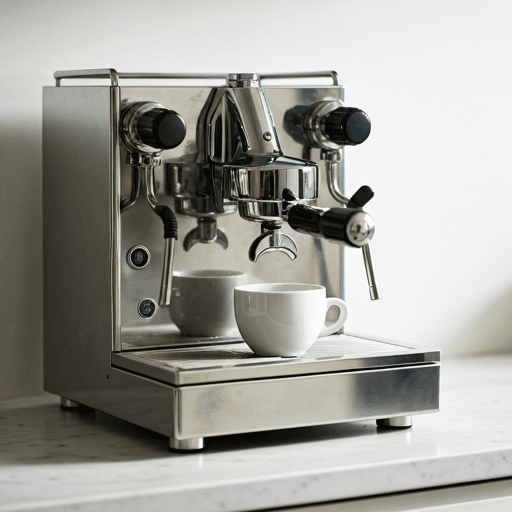
Nespresso Decaf Pods, Explained: Original and Vertuo
Nespresso decaf pods are decaffeinated capsules for both Original and Vertuo, with nearly all the caffeine removed. Here are the lines, examples and how the decaf is made.
Explainer
The Nespresso Advent Calendar, Explained
A festive countdown for coffee lovers: what the Nespresso advent calendar is, how its 24 numbered doors work, what capsules hide inside, how the Original and Vertuo versions differ, and when it launches each season.
Explainer
Nescafe Taster's Choice, Explained: The Freeze-Dried Line
Nescafe Taster's Choice is Nestle's premium freeze-dried instant coffee for North America, sold since 1966. Here is what makes freeze-drying smoother than spray-dried instant, the House Blend, French Roast, Colombian and Decaf variants, and how to make a cup.
Explainer
Nescafe Cold Coffee: How to Make Iced Coffee With Instant
Nescafe cold coffee is iced coffee made from instant granules — here is how to dissolve, shake, blend or whip it into a smooth, frothy cold coffee at home.
Explainer
Nescafe Decaf (Decaffeinato), Explained: The Range
Nescafe decaf and Nescafe Decaffeinato are the same decaffeinated instant coffee under two names. Here's the range, how the caffeine is removed, how little is left, and how it tastes.
Explainer
Nescafe Crema, Explained: Instant Coffee With a Foam Layer
Nescafe crema is instant coffee engineered to form a light foam cap on top of the cup, mimicking the look of espresso. Here's how Gold Crema, Azera and Classic Crema build that layer, how to get the best foam, and how it differs from real espresso crema.
Explainer
Nescafe Coffee Sachets, Explained: The Whole Stick-Pack Lineup
Nescafe coffee sachets are single-serve stick and sachet packs — from plain black instant to all-in-one 3-in-1 and cappuccino mixes. Here is the whole format decoded: what each type contains, how to brew and store them, and when a stick pack beats a jar.
Explainer
Nescafe Blend 43: Australia's Instant Coffee Icon
Nescafe Blend 43 is Nestle's iconic Australian instant coffee, launched in 1958. Here is what it is, the story behind the "43" name, how it is made, its variants and how to brew it.
Explainer
Nescafe Black Coffee: What It Is and How to Make It
Nescafe black coffee is just plain Nescafe instant — Classic, Gold or a black sachet — with no milk or sugar. Here's which blends to use, how to make it hot or iced, and roughly how many calories and how much caffeine you get.
Explainer
Nescafe 3-in-1, Explained: What's in the Stick
A plain-English look at Nescafe 3-in-1: the single-serve stick that blends instant coffee, creamer and sugar, plus its 2-in-1 and kopi relatives and how to make it.
Explainer
Neapolitan Coffee and the Cuccumella Flip Pot
Neapolitan coffee is two things at once: the gravity-driven cuccumella flip pot and the short, strong, ritual-driven espresso culture of Naples.
Explainer
National Donut Day at Dunkin' Donuts, Explained
National Donut Day lands on the first Friday of June, and chains like Dunkin' celebrate it with a free doughnut — but the holiday actually began as a 1938 Salvation Army fundraiser honoring the WWI "Donut Lassies." Here's the real story and how the day is marked today.
Explainer
Mugwort Tea: Benefits, Uses and Cautions
An honest, safety-first look at mugwort tea (Artemisia vulgaris): its traditional benefits for digestion, periods and dreams, how to brew the bitter leaf, and the cautions that make it a poor fit for pregnancy and daisy-family allergies.
Explainer
Mother's Milk Tea and Lactation Teas Explained
Mother's milk tea refers to herbal blends marketed to support breast-milk supply. Here is a balanced, safety-first look at the herbs inside, what the evidence really shows, and when to ask a professional.
Explainer
Moringa Tea: Benefits, Taste and How to Brew
Moringa tea is a caffeine-free herbal infusion from the leaves of the drumstick tree. Here are its possible benefits, its earthy taste, how to brew it and who should be cautious.