
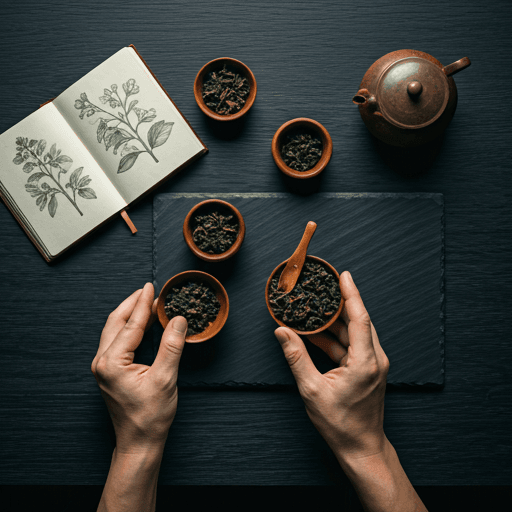
Mugwort tea is an aromatic, bitter herbal infusion made from the leaves of Artemisia vulgaris, a wild plant that has been valued across many traditional systems for supporting digestion, easing menstrual discomfort, and for its long folklore link to vivid, memorable dreams. It is naturally caffeine-free and simple to brew. But the human evidence behind these mugwort tea benefits is limited, the flavor is strongly bitter, and this is one herbal tea that is genuinely not safe for everyone — so it pays to understand both the tradition and the cautions before you steep a cup.
Safety first: Mugwort is traditionally used as an emmenagogue (a herb that may stimulate the uterus), so it is best avoided in pregnancy. It is in the daisy (Asteraceae) family, so people with ragweed or related allergies should be cautious, and it contains thujone, a compound worth keeping intake moderate. If you are breastfeeding, taking medication, or managing a health condition, check with a doctor or qualified herbalist first. This article is general information, not medical advice.
What is mugwort tea?
Mugwort tea is an infusion of the dried aerial parts — mostly the leaves and flowering tops — of Artemisia vulgaris, a hardy perennial in the same broad plant family as daisies, ragweed, and wormwood. Common mugwort grows wild across roadsides, hedgerows, and waste ground throughout Europe, Asia, and North America, which is part of why it appears in folk traditions almost everywhere it grows.
The plant has a distinctive silvery underside to its leaves and a sage-like, slightly camphorous aroma. That aroma comes from volatile oils, and the taste in the cup is noticeably bitter and herbaceous. This bitterness is not a flaw — in traditional herbalism, bitterness is exactly the quality that mugwort was prized for. An Artemisia vulgaris tea is only one way the herb is used, though. In East Asian traditions the dried, processed leaf ("moxa") is burned close to the skin in the practice of moxibustion, a topical use that is entirely separate from drinking the tea.
If you are new to herbal infusions in general, it helps to start with the basics of what an herbal tea actually is and how these caffeine-free tisanes differ from true tea before focusing on a strong-flavored, safety-sensitive herb like this one.
Traditional mugwort tea uses
Most mugwort tea uses come from centuries of folk practice rather than the clinic, so it is worth naming them honestly as traditional uses. Across European folk medicine and several other systems, three themes come up again and again.
Digestion and appetite (a classic bitter)
Mugwort is a bitter, and bitter herbs have traditionally been sipped before or after meals to encourage appetite and support comfortable digestion. The idea is that the bitter taste and the plant's volatile oils may gently stimulate digestive secretions, which is why a small cup was a folk remedy for a heavy stomach, bloating, or sluggish appetite. The evidence here is largely traditional and mechanistic rather than proven in large human trials, so it is fair to say mugwort tea may aid digestion for some people rather than that it reliably does.
Menstrual and period support
In European folk medicine, mugwort was one of the herbs most associated with the menstrual cycle — traditionally used to encourage a regular cycle and to ease occasional cramping discomfort. This same property is exactly why it carries a serious caution: a herb reputed to bring on menstruation is, by the same token, one to avoid in pregnancy. Controlled human studies on mugwort for period support are essentially absent, so treat this as a long-standing tradition, not a demonstrated effect.
The "dream tea" reputation
Mugwort's most romantic reputation is as a "dream herb." Across different cultures and eras, people have tucked it under a pillow or sipped it before bed hoping for more vivid, memorable dreams and better dream recall. Modern reports from people who try it are remarkably consistent on this point, yet formal research on mugwort and dreaming is extremely limited, and results vary a lot from person to person. What some people describe may simply be a calmer wind-down before sleep rather than a direct effect on dreams. If restful evenings are your real goal, our roundup of the best herbal teas for sleep covers gentler, better-studied options to consider alongside — or instead of — mugwort.
What the evidence actually shows
Because this is a wellness topic, it is important to separate the tradition from the science. The table below pairs each common claim with a plain summary of the current evidence. The honest headline: mugwort has a deep traditional record and limited high-quality human research.
| Traditional use | What the evidence actually shows |
|---|---|
| Aids digestion and appetite (as a bitter) | Plausible mechanism from its bitter compounds and volatile oils; supported mainly by tradition and small or indirect data, not large human trials. May help some people. |
| Eases menstrual discomfort and supports the cycle | A long folk tradition (mugwort is a classic emmenagogue); controlled human studies are essentially absent. This same property is the reason to avoid it in pregnancy. |
| Promotes vivid dreams and dream recall | Consistent anecdotal reports across cultures; formal research is very limited and effects vary widely. Any benefit may be an indirect, calming effect. |
| Encourages relaxation before sleep | Reported by some drinkers as part of a bedtime ritual; not robustly demonstrated in trials. |
| Moxibustion (burning moxa near the skin) | A separate, topical East Asian practice — not the same as drinking the tea, and not evidence for the tea's internal effects. |
In short, mugwort tea benefits are best described as "traditionally used for" rather than "proven to." That framing is not a dismissal of the herb — it is simply an accurate reflection of where the research stands.
How to brew mugwort tea
Brewing is straightforward; the main challenge is the bitterness. A typical approach uses about 1 to 2 teaspoons of dried mugwort leaf per cup.
- Bring fresh water to just off the boil (around 90–95°C / 195–205°F).
- Place 1–2 teaspoons of dried mugwort in an infuser, strainer, or teapot.
- Pour the hot water over the leaf and cover the cup to keep the aromatic oils in.
- Steep for 5–10 minutes. A shorter steep is milder; a longer steep is markedly more bitter.
- Strain well and taste before adding anything else.
Because mugwort is so bitter, many people lightly sweeten it with honey, add a squeeze of lemon, or blend it with a gentler herb such as chamomile, mint, or lemon balm to round out the flavor. Start with a weaker, shorter-steeped cup so you can judge both the taste and how your body responds, and keep your intake moderate rather than drinking large amounts. Mugwort is one of many strong-flavored infusions in the wider world of tisanes — our guide to the types of herbal tea puts it in context alongside other common blends.
Safety, cautions, and who should avoid mugwort tea
This is the part of the article that matters most. Mugwort has a genuine safety profile, and the cautions are not merely theoretical.
- Avoid during pregnancy. Mugwort is a traditional emmenagogue and has historically been associated with stimulating the uterus. For this reason it is widely advised against in pregnancy at any strength. If you are pregnant or trying to conceive, do not drink mugwort tea.
- Allergy caution (Asteraceae / daisy family). Mugwort is closely related to ragweed and is a well-known pollen allergen. If you react to ragweed, daisies, chrysanthemums, or related plants, you may react to mugwort too — and it is a known trigger for people with certain pollen-food sensitivities.
- It contains thujone. Mugwort's volatile oils include thujone, a naturally occurring compound that is best consumed in moderation. Keeping intake modest and occasional is more sensible than drinking large quantities routinely.
- Breastfeeding, medications, and health conditions. There is not enough reliable safety data to recommend mugwort tea while breastfeeding, and it may interact with medications or existing conditions. Check with a doctor or qualified herbalist before use in any of these situations.
Just as importantly, mugwort tea is not a treatment for any illness. It should never replace medical care, and none of its traditional uses amount to a cure. If you have symptoms that concern you, see a healthcare professional rather than self-treating with a herbal infusion.
The bottom line on mugwort tea
Mugwort tea is a fascinating, deeply traditional herbal infusion — a bitter, aromatic Artemisia vulgaris tea with a folklore reputation for digestion, menstrual support, and dreamy sleep that stretches back centuries. What it is not, on current evidence, is a proven remedy for any of those things, and it comes with real cautions that make it a poor choice for pregnant people and those with daisy-family allergies. Approached with respect, moderation, and a quick conversation with a professional if you are in a sensitive group, mugwort can be an interesting cup to explore. Approached carelessly, it is the kind of herb that deserves more caution than most. As always with wellness herbs, let curiosity be guided by good information — and by your doctor when it counts.