
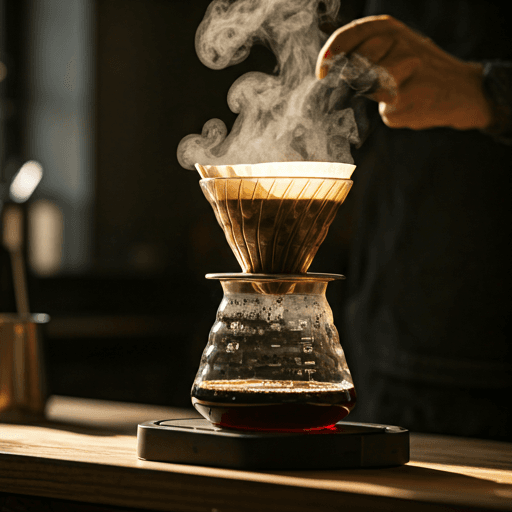
Non-dairy coffee simply means coffee made with a plant milk instead of cow's milk — oat, soy, almond, coconut, pea, cashew and more. There is no single winner, because each plant milk behaves very differently once it hits a hot cup, so the "best" one depends on what you are making: a flat white's silky microfoam, a quiet splash in a filter, or a tall iced latte. This guide walks through the main plant milks, how they froth, and why some curdle so you can match the milk to the drink.
What non-dairy coffee actually means
When people say "non-dairy coffee," they usually mean one of two things: adding a liquid plant milk to brewed coffee, or using a plant-based creamer. This page is about the milks — the cartons you steam, froth or splash straight into a cup. Creamers are a separate world of richer, often sweetened and flavoured pours, and we cover those in the non-dairy coffee creamers guide. For everyday lattes, cappuccinos and iced coffee, a plant milk is what you reach for.
The catch is that plant milks are not interchangeable. They differ in protein, fat and sugar, and those three things decide how a milk steams, how thick its foam is, and whether it splits when it meets hot, acidic espresso. Understanding that trade-off is the whole game with dairy free coffee.
The main plant milks for coffee, one by one
Here is how the most common options behave in a real cup. Think of it less as good versus bad and more as which milk suits which drink.
Oat milk
Oat is the default plant milk for coffee, and for good reason. It is naturally creamy, mildly sweet and neutral enough that it does not fight the coffee. Crucially, it steams and froths beautifully — especially the barista editions — producing a glossy microfoam close to whole dairy milk. It is also the most forgiving in hot, acidic coffee, so it rarely curdles. If you want one milk that handles lattes, cappuccinos, flat whites and iced coffee, oat is the safe pick.
Soy milk
Soy is the original café non-dairy milk and still one of the best performers. It is high in protein, which means it froths well and holds a sturdy foam. The taste is fuller and slightly beany. Its one weakness is stability: very hot or very acidic coffee — think a light, bright single origin — can make soy proteins coagulate and split into flecks. Barista soy and a gentler brewing temperature fix most of that.
Almond milk
Almond is light, nutty and low in calories, which makes it popular for a thinner, less rich cup. The downsides matter for coffee, though: it is low in protein and fat, so its foam is thin and watery, and it is the plant milk most prone to curdling. Poured into hot, acidic espresso it can separate almost instantly. A barista-formulated almond milk and pouring the coffee into the milk (not the other way round) help a lot.
Coconut milk
The carton coconut milk for coffee — not tinned cooking coconut milk — brings a rich mouthfeel and an unmistakable coconut flavour that some love and some find distracting. Barista versions froth reasonably well thanks to their fat content, making a soft, tropical-tasting foam. If it is the coconut sweetness you are after rather than a milk, a coconut creamer may suit you better; those live in the creamers guide.
Pea milk
Pea protein milk is a strong all-rounder that flies under the radar. It is creamy, froths well and is allergen-friendly — no nuts, soy or gluten — which makes it a useful house milk if allergies are a concern. Its high protein content gives it good body and stable foam, so it steams into lattes nicely and resists splitting.
Cashew, macadamia, rice and hemp
Beyond the big names, a few others each have a niche:
- Cashew: smooth and mild with a gentle nutty note; makes a creamy latte but a thinner foam than oat.
- Macadamia: buttery and silky, a growing barista favourite that steams surprisingly well.
- Rice: naturally sweet but thin and watery, with poor froth; hypoallergenic, so it fills a gap for people who react to nuts and soy.
- Hemp: earthy and nutritious but thin and strongly flavoured, better as a splash than a steamed milk.
Plant milk for coffee: a quick comparison
This table sums up how each plant milk for coffee behaves. "Curdle risk" assumes a standard carton; barista editions lower the risk across the board.
| Plant milk | Froth / steam | Taste | Curdle risk | Best for |
|---|---|---|---|---|
| Oat | Excellent (barista) | Creamy, neutral-sweet | Low | Lattes, flat whites, all-rounder |
| Soy | Very good | Full, slightly beany | Medium | Cappuccinos, foam-forward drinks |
| Almond | Thin, weak foam | Light, nutty | High | Light iced coffee, low-calorie splash |
| Coconut | Moderate (barista) | Rich, coconut-forward | Medium | Tropical lattes, flavour lovers |
| Pea | Very good | Creamy, neutral | Low | Allergen-friendly house milk |
| Cashew | Fair | Mild, nutty | Medium | Creamy lattes, cold drinks |
| Macadamia | Good | Buttery, smooth | Low-medium | Silky lattes |
| Rice | Poor | Thin, sweet | Medium | Cold splash, allergy-safe option |
Why non-dairy milk curdles in coffee — and how to stop it
Curdling is the most common frustration with non-dairy milk for coffee, and it comes down to three things colliding: heat, acidity and low fat or protein stability. Coffee — especially espresso and lighter roasts — is acidic. When a low-fat, low-stability plant milk meets that acidity at high temperature, its proteins clump together and separate into unappealing flecks. Almond and rice split most easily; oat and pea resist best.
You can prevent most curdling with a few habits:
- Use barista or stabilised versions, which are formulated to stay smooth in hot, acidic coffee.
- Warm the milk gently and do not let it boil — overheating is a major trigger.
- Pour the coffee into the milk, not the milk into scalding coffee, so the temperature change is gentler.
- Reach for a darker, lower-acid roast if a particular coffee keeps splitting your favourite milk.
- Use fresh milk, since older cartons curdle more readily.
Barista vs regular cartons
Most plant milks come in a standard carton and a "barista" carton, and the difference is real. Barista editions typically carry a little more oil and protein plus stabilisers and acidity regulators, which do two jobs: they let the milk stretch into a fine, pourable microfoam, and they help it resist curdling when it meets espresso. Regular cartons are perfectly good over cereal or as a cold splash, but they froth weakly and split more easily under heat. If you are making steamed milk drinks or latte art at home, a barista edition is worth it. For the tools that turn any of these into foam, see the milk frother guide and the rundown of how to froth and steam milk.
How to order dairy-free coffee at a café
Ordering non-dairy coffee out has become easy — oat milk is now a standard option at most specialty cafés, with soy and almond common backups. A few pointers make it smoother: ask which plant milks the café stocks rather than assuming, since the line-up varies; request the barista version if you want proper foam or latte art; and specify hot or iced, because a milk that behaves beautifully steamed may taste different cold. If a shop only has almond and you are ordering a hot flat white, expect thinner foam and be gentle about temperature.
Choosing the best non-dairy milk for coffee
The best non-dairy milk for coffee is the one that matches your drink and your palate. For all-round steaming and the closest thing to a dairy latte, oat wins. For foam-forward cappuccinos, soy delivers. For a light, low-calorie iced coffee, almond is fine as long as you accept its thin body. For allergen-friendly creaminess, pea is quietly excellent. If flavour is the point, coconut and macadamia each bring character. Many home baristas end up keeping two: an oat for hot milk drinks and a lighter one for cold or casual cups. If you also want the sweeter, richer pours, the milk coffee guide covers how milk changes a cup more broadly.
There is no reason a dairy-free cup has to be a compromise. Once you understand that oat froths, soy foams, almond curdles and each milk carries its own flavour, choosing plant milk for coffee becomes a matter of taste rather than trial and error — and the barista carton is usually the small upgrade that turns a decent non-dairy coffee into a genuinely good one.