
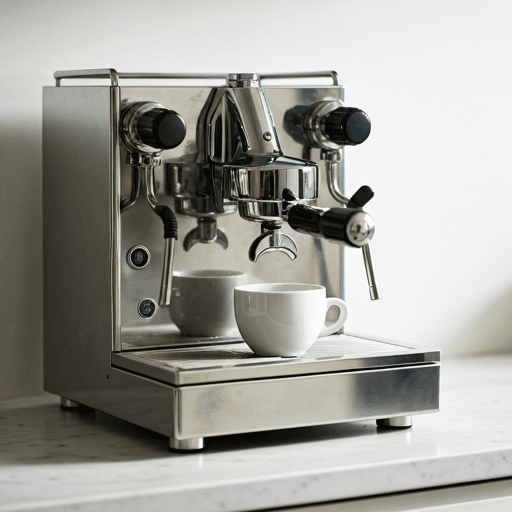
A milk frother is a tool that whips air into milk so it turns light, glossy and foamy enough to top a latte, cappuccino or hot chocolate. The good news is that there is no single right answer: a frother can be a battery wand that costs almost nothing, a countertop machine that heats and foams at the press of a button, or the steam wand built into an espresso machine. This guide explains how each type works, what kind of foam it makes, and how to pick the one that fits your kitchen and your coffee.
What a milk frother actually does
Frothing is simple physics. When you force air into milk and agitate it fast, the milk's proteins and fats wrap around tiny air bubbles and hold them in place. That is why whole dairy milk foams so reliably: its protein stretches to trap the bubbles and its fat keeps the foam stable and creamy. The job of any frother is just to introduce that air and that agitation quickly and evenly.
The two things that separate a great result from a mediocre one are bubble size and temperature. Big, soapy bubbles sit on top of the drink and collapse fast. Tiny, uniform bubbles fold into the milk and make the silky, paint-like texture baristas call microfoam. Heat matters too: milk foams best warm but not scalding, roughly in the band where it still feels comfortably hot rather than boiled. Past that point the proteins break down and the foam goes flat and slightly cooked-tasting.
The main types of milk frother
There are four ways to make frothy milk at home, and they sit at very different price and effort levels. Here is how they compare.
| Type | How it works | Heats milk? | Foam style | Best for |
|---|---|---|---|---|
| Handheld wand | Battery-powered whisk you submerge | No | Light, airy | Cheapest, casual daily use |
| Electric jug / induction | Countertop unit, one-button | Yes | Even, consistent | Hands-off convenience |
| Steam wand | Pressurised steam on an espresso machine | Yes | True microfoam | Latte art, cafe-quality |
| Manual (press / jar) | You pump or shake by hand | No | Decent, variable | No gadgets, lowest cost |
Handheld battery wand
The handheld frother is the little battery-powered stick with a coiled whisk on the end. You heat your milk separately, dip the spinning whisk just below the surface, and move it up and down for fifteen to thirty seconds. It is the cheapest and most compact option, takes seconds to rinse, and lives in a drawer. The trade-off is that it whips in larger bubbles, so you get a fluffy, cappuccino-style cap rather than glossy microfoam. For most people making one or two milky coffees a day, a handheld is the easiest entry point and an excellent first frother.
Electric jug or induction frother
An electric milk frother machine is a small countertop jug that both heats and froths at the touch of a button. You pour in cold milk, choose hot foam or warm steamed milk, and walk away. The induction base spins a magnetic whisk while it warms the milk to the right temperature, then stops on its own. These give the most consistent results with the least skill, which is why many people consider a good electric jug the best milk frother for a busy morning. They cost more than a wand and take up counter space, and the foam, while reliable, is a touch airier than a true steam wand's.
Steam wand on an espresso machine
The steam wand is the metal arm on an espresso machine that shoots pressurised steam into the milk. Done well, it produces real microfoam: dense, wet, pourable foam with bubbles so fine you cannot see them. This is the texture that lets you pour latte art and the standard a cafe flat white is judged by. It is also the hardest method to master, because you control the angle, depth and timing yourself, and it only makes sense if you already own or plan to buy an espresso setup. If that is your goal, our guide on how to make espresso at home covers the brewing side that pairs with steamed milk.
Manual frother: French press or jar
You do not strictly need a dedicated device at all. A French press doubles as a hand frother: pour in warm milk to about a third full and pump the plunger briskly for twenty to thirty seconds. A sealed jar works too, half-filled with warm milk and shaken hard for half a minute, then microwaved briefly to set the foam. Manual methods cost nothing if you already own the kit and make a respectable foam, though the result varies with effort and is less even than a powered frother.
Microfoam vs airy foam: what kind of foam do you want?
Before you buy, decide what you are making. The drink dictates the foam. A cappuccino wants a thick, airy layer of foam that sits proudly on top, so the lighter texture from a handheld wand or French press suits it well. A latte or flat white wants microfoam, the silky integrated milk that blends into the espresso, which is where a steam wand pulls ahead. If you are unsure which drink is which, our explainers on what a latte is and what a cappuccino is break down the milk-to-espresso ratios so you can match the frother to the cup.
As a rule of thumb: if most of your drinks are cappuccinos, hot chocolates and casual milky coffees, airy foam from an affordable frother is plenty. If you are chasing cafe-quality lattes and want to learn to pour patterns, a steam wand is the only tool that gets you all the way there.
Frothing dairy vs oat, almond and other plant milks
Not all milk foams the same, and this matters more than which frother you buy. Whole dairy milk is the easy benchmark thanks to its protein and fat, which together build a stable, creamy foam. Skim milk froths into a bigger but drier, more fragile foam because it lacks the fat that gives body.
Plant milks are more particular. Ordinary supermarket oat or almond milk often foams weakly and collapses fast, because it lacks the protein matrix dairy relies on and instead foams on starch and sugar. The fix is to buy a barista blend: these are reformulated with a little more fat and added stabilisers specifically so they hold foam, and they are the reason your cafe's oat-milk latte looks as good as the dairy one. Soy milk, which is naturally high in protein, also froths well. If you drink plant milk, choosing a barista edition does more for your foam than any upgrade to the frother itself.
- Whole dairy: the reliable standard, rich creamy microfoam.
- Skim dairy: big airy foam, less body, collapses faster.
- Oat (barista): excellent foam, sweet flavour, the top plant-milk pick.
- Soy: high protein, holds foam well; can split with very acidic coffee.
- Almond / coconut: trickiest; use barista blends and expect a lighter foam.
How to choose a milk frother by budget and use
Match the tool to how you actually drink coffee rather than to the most impressive spec. Cost is best thought of in tiers, since prices vary by country and retailer.
- Entry-level, occasional drinker: a handheld battery wand or a French press you already own. Cheapest, smallest, fine for a daily cappuccino.
- Convenience seeker: a mid-range electric jug frother that heats and foams automatically. The best rated milk frother choice for hands-off mornings and for anyone serving milk drinks to a household.
- Aspiring home barista: an espresso machine with a quality steam wand. The biggest investment and learning curve, but the only route to true microfoam and latte art.
Other things worth checking before you commit: whether the unit froths cold milk for iced drinks, whether it offers both hot foam and warm steamed milk, how easy the inside is to wipe, and whether the whisk and lid are dishwasher safe. A frother you can clean in seconds is one you will actually keep using.
Cleaning and care
Milk is the enemy of every frother, because it dries fast and turns sour and crusty. Clean immediately after each use. Rinse a handheld wand under running water while it spins, then wipe it dry. For an electric jug, empty it straight away and wipe the inside before milk bakes onto the non-stick coating; never submerge the base. If you use a steam wand, purge a short burst of steam after frothing to clear milk from the tip, then wipe it with a damp cloth at once. A quick rinse now saves a scrubbing session later and keeps the foam clean-tasting.
The bottom line
The right milk frother is the one that matches your drink and your patience. A few coins buys a handheld wand that makes a fine cappuccino; a modest countertop jug gives you reliable foam with zero effort; and a steam wand rewards practice with genuine cafe microfoam. Whichever you pick, remember that the milk matters as much as the machine, so reach for whole dairy or a barista plant blend and serve it warm, not boiled. From here, explore our wider coffee guides to learn the drinks your new foam is destined for.