
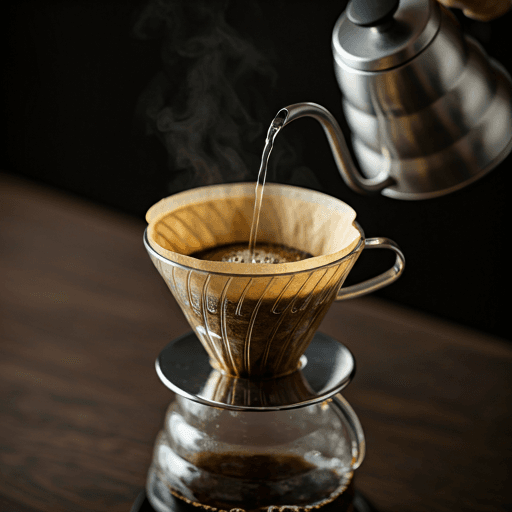
A cappuccino is an espresso-based coffee drink built on a simple, famous balance: one-third espresso, one-third steamed milk and one-third milk foam. That thick layer of airy foam on top is what makes it instantly recognisable, and it is the main thing that sets a cappuccino apart from its milkier cousins. If you have ever wondered what is a cappuccino and how it differs from everything else on a cafe menu, the answer lives in those three equal parts.
This guide is the hub for espresso milk drinks. Below we cover the cappuccino meaning and origin, the classic ratio, how it is made, the common variations, and a clear side-by-side comparison with the latte, flat white and macchiato so you always know what you are ordering.
What is a cappuccino, exactly?
A cappuccino starts with a shot of espresso, the concentrated coffee base pulled under pressure. Steamed milk is poured over it, and the drink is finished with a generous cap of milk foam. The result is small, strong and textured, usually served in a 150 to 180 ml cup with a handle.
The defining feature is foam volume. A traditional cappuccino carries a noticeably thick layer of foam on top, far more than a latte or a flat white. That foam is not just decoration. It traps aroma, softens the bite of the espresso and gives each sip a light, almost cloud-like first texture before the warm milk and coffee follow.
Because the milk is steamed rather than just heated, it tastes naturally sweet. Good steaming releases the milk's lactose sweetness and creates a smooth body without adding any sugar. This is why a well-made cappuccino can taste rich and rounded with nothing added at all. If you want to understand the espresso underneath it all, our guide to espresso, the base of every coffee, breaks down the shot itself.
Cappuccino meaning and origin
The cappuccino meaning comes straight from its colour. The name refers to the Capuchin friars, an order of monks whose brown hooded robes matched the shade of coffee lightened with a small amount of milk. In nineteenth-century Italian sources, the word described black coffee with a few drops of milk or cream that gave it the colour of a Capuchin's tunic. The word you sometimes see written as "capuccino" is simply a common misspelling of the same drink.
The earliest ancestor of the modern cup appeared in the coffeehouses of Vienna in the late 1700s. Known there as the Kapuziner, it was black coffee with just enough cream to reach that friar-robe colour. The drink travelled into northern Italy during the Habsburg era, and the port city of Trieste became an important crossroads where Viennese coffeehouse habits spread.
The cappuccino as we know it, with steamed milk and a thick foam cap, only became possible after the espresso machine arrived around 1900. Over the twentieth century, Italian cafes refined the layered, frothy version that is now standard worldwide. Italy's Istituto Espresso Italiano even defines a certified cappuccino, built around roughly 25 ml of espresso topped with steamed and foamed milk to fill the cup.
The classic cappuccino ratio
The cappuccino is often called a drink of thirds. The traditional ideal divides the cup into three roughly equal layers:
- One-third espresso — the concentrated coffee base that gives the drink its strength and flavour.
- One-third steamed milk — heated and textured milk that adds body and natural sweetness.
- One-third milk foam — the thick, airy cap that defines the drink.
That 1:1:1 balance is the heart of the cappuccino. It is why the drink tastes more coffee-forward than a latte. With less liquid milk and more foam, the espresso is never buried. You taste the coffee clearly, but the foam keeps it soft instead of sharp.
Milk temperature matters too. The aim is hot but not scalded, usually steamed to a point where the milk is sweet and silky rather than boiled. Overheated milk loses its sweetness and can turn thin and papery, which is one of the most common reasons a home cappuccino disappoints.
How a cappuccino is made
The method is straightforward once you understand the goal: a strong shot, well-textured milk and a clean foam cap. Here is the basic sequence baristas follow.
- Pull the espresso. Grind fresh, dose into the portafilter, tamp evenly and extract a balanced shot directly into a warm cup. If you brew at home, our walkthrough on how to make espresso at home covers grind, dose and extraction.
- Steam the milk. Introduce a little air at the start to build foam, then submerge the steam wand to spin and heat the milk into a glossy, paint-like texture. Cold, fresh milk steams best.
- Combine. Pour the steamed milk into the espresso, holding back the foam slightly, then spoon or pour the thick foam cap on top so it sits proud of the milk.
You do not need a commercial machine to enjoy great milk coffee at home. Even a stovetop brewer or a manual press can produce a strong base, and a separate milk frother can build the foam. Our Italian moka pot guide and French press coffee guide show two simple routes to a concentrated coffee base when you do not have an espresso machine.
Cappuccino vs latte, flat white and macchiato
All four are espresso-and-milk drinks, so they get confused constantly. The difference is almost entirely about how much milk and how much foam each one carries. Here is a clear comparison.
| Drink | Espresso base | Milk and foam | Texture and strength |
|---|---|---|---|
| Cappuccino | 1 to 2 shots | Equal thirds milk and a thick foam cap | Strong, light and airy on top |
| Latte | 1 to 2 shots | Lots of steamed milk, thin foam layer | Mild, creamy, the milkiest of the four |
| Flat white | Usually a double shot | Less milk, very thin microfoam | Strong and smooth, silky rather than airy |
| Macchiato | 1 to 2 shots | Just a small dollop of milk or foam | Very strong, mostly espresso |
Put simply: the macchiato has the least milk, the latte has the most, and the cappuccino sits in the middle but stands out for its thick foam. The flat white trades that airy foam for a thin, integrated microfoam, so it drinks smoother and more coffee-forward. For a deeper look at the milkiest option, see our latte explainer and the closely related latte vs cafe latte comparison. For the full menu of espresso drinks, our guide to types of coffee drinks maps out every option.
Dry, wet and other styles
Cafes will happily adjust the foam balance if you ask. A few common variations:
- Dry cappuccino — extra foam and very little liquid milk, for people who love the airy texture and a stronger coffee taste.
- Wet cappuccino — more steamed milk and less foam, edging closer to a latte for a softer, creamier cup.
- Iced cappuccino — espresso and cold or lightly frothed milk over ice, a modern cafe adaptation rather than a traditional style.
- Cappuccino freddo — a cold version popular in Greece and Cyprus, topped with a layer of cold milk foam.
You will also see cappuccinos dusted with cocoa or cinnamon. That is a flavour and presentation choice, not part of the classic definition. A traditional cappuccino is simply espresso, steamed milk and foam in balance. Step-by-step, our cappuccino explained and how to make it guide goes further on the practical brewing side.
When and how to drink a cappuccino
In its Italian home, the cappuccino is traditionally a morning drink, often enjoyed before late morning and rarely ordered after a meal, where milk-heavy coffee is considered too filling. That is custom rather than rule, and around the world people drink cappuccinos at any hour.
To taste a cappuccino at its best, drink it reasonably soon after it is made, while the foam still holds and the milk is hot but not scalding. Stirring gently folds the foam, milk and espresso together so each sip carries all three layers. Skip the urge to drown it in sugar first; a properly steamed milk cappuccino is naturally sweet on its own.
The bottom line
A cappuccino is the classic balance of espresso, steamed milk and foam in equal thirds, distinguished above all by its thick, airy foam cap. Get that ratio right and the coffee stays bold while the milk keeps it smooth. Once you can taste the difference between a cappuccino, a latte, a flat white and a macchiato, the rest of the cafe menu makes a lot more sense. From here, explore the wider world of espresso in our types of coffee drinks guide or browse more brewing knowledge on the coffee hub.