
Almost every coffee on a cafe menu is built from a handful of the same parts: brewed or concentrated coffee, water, milk, foam and the occasional flavour. Once you know how those parts combine, the long menu stops being intimidating and becomes a map. This guide explains the main types of coffee drinks in plain terms, what makes each one different, and how to order the cup you actually want.
We will start with the two ways coffee is made, then walk through the espresso family, the milk drinks, the chocolate and iced options, and a few classics worth knowing. Use the comparison tables to pick fast.
Coffee starts one of two ways: brewed or espresso
Before you can understand the different coffee drinks, it helps to know that coffee reaches your cup through one of two basic methods. The method sets the strength, the texture and what can be built on top.
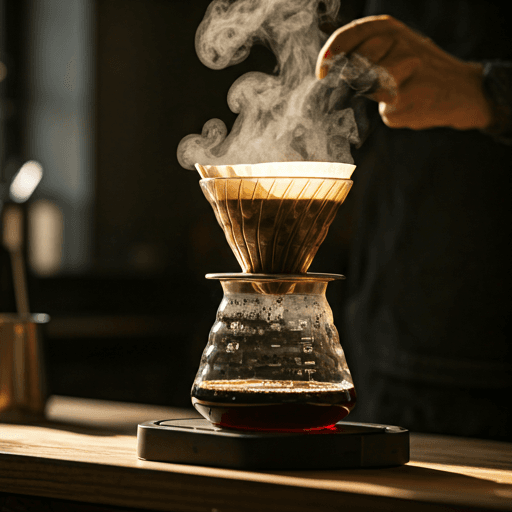
Brewed coffee uses gravity and time. Hot water passes slowly through medium-ground coffee held in a filter, extracting flavour over several minutes. This covers automatic drip machines, pour-over, French press and percolators. The result is a full mug of relatively mild, easy-drinking coffee.
Espresso uses pressure. An espresso machine forces hot water through finely ground, tightly packed coffee in roughly 25 to 30 seconds, producing about an ounce of intense, syrupy coffee topped with a golden layer called crema. Espresso is the base for most of the famous cafe drinks: lattes, cappuccinos, flat whites, mochas and more.
Neither is stronger or better as a rule. Espresso is concentrated per sip; a mug of drip can deliver more total caffeine simply because there is more of it. If you want the full picture of brewing methods and how to match a machine to your routine, see our complete guide to choosing a coffee maker.
The espresso family: same parts, different ratios
Here is the secret that unlocks the whole menu. Almost every espresso drink uses the same three things: a shot of espresso, steamed milk and milk foam. What separates a macchiato from a cortado from a cappuccino from a latte is simply the ratio of those parts. Master the ratios and you understand the menu.
Espresso, ristretto, lungo and doppio
These are the pure coffee shots with no milk, just measured differently.
- Espresso — the standard single shot, about 1 ounce, intense and topped with crema. The foundation of everything below.
- Ristretto — a "restricted" shot pulled with less water and a shorter time. Thicker, sweeter and less bitter than a normal shot.
- Lungo — a "long" shot pulled with more water, around 50 to 60 ml. Larger and often more bitter than standard espresso.
- Doppio — simply a double shot of espresso, two shots in one cup.
For a deeper look at the shot itself, read espresso explained, the base of every coffee.
Espresso with water: the americano
An americano is espresso diluted with hot water, usually around one part espresso to two parts water. It gives you the depth of espresso flavour in the volume and easy-drinking style of a longer black coffee. It works hot or iced. We cover both in americano coffee explained, hot and iced.
The milk drinks, weakest coffee to strongest
This is where most people get confused. All of these are espresso plus milk; only the proportions change. Here is the lineup from most milk to least.
| Drink | Espresso to milk | Texture | Best for |
|---|---|---|---|
| Latte | ~1 : 3 | Lots of steamed milk, thin foam cap | Mild, milky, beginner-friendly |
| Flat white | ~1 : 2 | Velvety microfoam, no big foam layer | Stronger coffee taste, silky milk |
| Cappuccino | 1 : 1 : 1 | Equal espresso, milk and airy foam | Foamy, balanced, classic |
| Cortado | ~1 : 1 | Equal parts, little to no foam | Bold but smooth, small cup |
| Macchiato | ~2 : 1 | Espresso "stained" with a dab of milk | Espresso lovers wanting a touch of milk |
A latte is the gentlest, mostly steamed milk with just a thin foam layer, which is why it is the go-to introductory coffee. A flat white uses less milk and a smooth microfoam so the espresso comes through more. A cappuccino balances espresso, steamed milk and a thick crown of airy foam in roughly equal thirds. A cortado is equal espresso and steamed milk with barely any foam, bold but mellow. A macchiato, in its traditional form, is just espresso marked with a small spot of milk foam.
Each of these has its own explainer if you want the full story: see what a cappuccino is and what a latte is for the two most popular milk drinks, plus latte vs cafe latte explained for a common point of confusion. Note that "caffe macchiato" and "latte macchiato" are different drinks despite the shared name, which trips up a lot of orders.
Chocolate, flavour and the sweeter coffee types
Once you have the milk drinks, sweet variations are easy. A mocha (often written caffe mocha) is essentially a chocolate latte: espresso, steamed milk and chocolate, sometimes topped with whipped cream. It is not the same as hot chocolate, which contains no coffee at all. The chocolate softens the espresso, making a mocha one of the friendliest drinks for people easing into coffee. See mocha coffee explained.
Flavoured lattes simply add a syrup, vanilla, caramel, hazelnut and seasonal options, to the standard latte build. They are popular but optional flourishes on the core recipe, not different categories of coffee.
Iced and cold coffee drinks
Cold coffee is its own world, and two terms get mixed up constantly. The difference is the brewing, not just the ice.
| Drink | How it is made | Taste |
|---|---|---|
| Iced coffee | Brewed hot, then cooled and poured over ice | Bright, can taste watered down as ice melts |
| Cold brew | Coarse grounds steeped in cold water 12 to 24 hours | Smooth, naturally sweet, low acidity, often higher caffeine |
| Iced latte | Espresso and cold milk over ice | Creamy and milky, served cold |
| Frappe / blended | Espresso or coffee blended with milk, ice and syrup | Thick, dessert-like, frothy |
Cold brew uses time instead of heat: coarse grounds steep in cool water for many hours, producing a mellow, naturally sweet, low-acid coffee that holds up well over ice. Iced coffee is just regular hot-brewed coffee chilled and served cold, quicker to make but more prone to tasting diluted. A frappe is a sweet, blended iced drink whirled with ice in a blender.
A few classics worth knowing
Beyond the everyday menu, a handful of named drinks show up worldwide.
- Affogato — a scoop of vanilla ice cream or gelato "drowned" in a hot shot of espresso. Half dessert, half coffee.
- Irish coffee — hot coffee with Irish whiskey, sugar and a float of lightly whipped cream. A coffee cocktail.
- Filter / pour-over — brewed coffee made by hand, a clean cup that highlights the bean's character.
For more on these and other named drinks, see macchiato, frappe and Irish coffee explained.
Which type of coffee should you order?
If you are still deciding, match the drink to what you want.
- Want strong and quick? Espresso, ristretto or a macchiato.
- Want bold coffee but smooth? Cortado or flat white.
- Want milky and mild? Latte or cappuccino.
- Want something sweet? Mocha or a flavoured latte.
- Want a big, easy mug? Drip coffee or an americano.
- Want it cold? Cold brew for smoothness, iced latte for creaminess.
The flavour in the cup also depends heavily on the beans. Most cafe drinks lean on arabica for its sweeter, more aromatic profile, while robusta adds punch and bolder crema. To understand how the bean shapes your drink, read arabica vs robusta coffee beans explained.
Quick reference: the whole coffee menu at a glance
| Category | Drinks | Core idea |
|---|---|---|
| Pure espresso | Espresso, ristretto, lungo, doppio | Concentrated coffee, no milk |
| Espresso + water | Americano, long black | Espresso flavour, longer drink |
| Espresso + milk | Macchiato, cortado, cappuccino, flat white, latte | Same parts, different ratios |
| Sweet espresso | Mocha, flavoured lattes | Milk drink plus chocolate or syrup |
| Brewed | Drip, pour-over, French press | Full mug, milder, gravity-brewed |
| Cold | Iced coffee, cold brew, iced latte, frappe | Served cold, brewed hot or cold |
The whole coffee menu really does come down to a few building blocks combined in different ways. Once espresso versus brewed and the milk ratios click, you can order confidently anywhere in the world and even recreate your favourite at home. Curious where these drinks are typically served and what makes a great coffee space? Explore what a cafe is next, or browse more drink explainers on our coffee hub.