
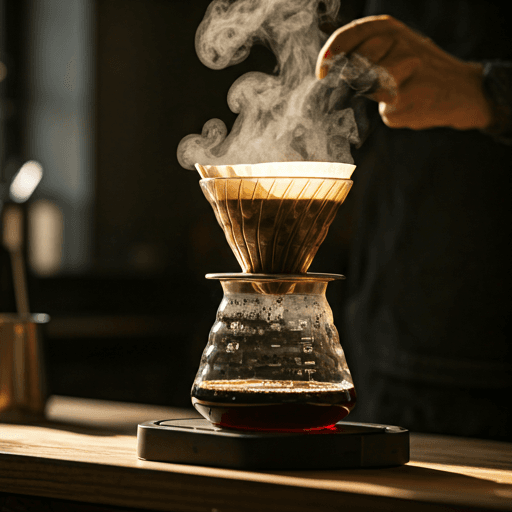
A macchiato is, in its purest form, a shot of espresso "stained" with a small spot of milk or foam, so coffee stays the loud part of the drink. A frappe is the opposite mood: cold, blended, frothy and built for an Indian summer. Irish coffee is the dessert of the three, hot coffee sweetened and laced with whiskey under a float of cream. Three menu words, three completely different experiences, and a lot of confusion when you are standing at a counter in Mumbai or Bengaluru trying to decide. This guide decodes all three for an Indian reader, including the caramel macchiato trap, the frappe-versus-frappuccino debate, and whether Irish coffee on a cafe menu actually has alcohol in it.
The 30-second answer: macchiato, frappe and irish coffee at a glance
If you only read one section, read this table. It is the fastest way to understand what you are ordering before we go deeper on each drink.
| Drink | Hot or cold | Base | Defining feature | Strength of coffee flavour |
|---|---|---|---|---|
| Macchiato (traditional) | Hot | Espresso | Espresso with a small mark of milk/foam | Very strong |
| Frappe | Cold | Coffee + ice, blended/shaken | Thick, frothy, sweet, served tall | Mild to medium |
| Irish coffee | Hot | Brewed coffee + whiskey | Sweetened, spiked, cream float on top | Medium, plus alcohol |
In short: pick a macchiato when you want coffee to dominate, a frappe when you want something cold and indulgent, and an Irish coffee when you want a warm after-dinner treat with a kick. Now the detail.
What is a macchiato, really?
"Macchiato" is Italian for "stained" or "spotted." The original drink, the caffe macchiato (also called espresso macchiato), is simply a single or double shot of espresso with a teaspoon of steamed milk or a dab of foam on top. The milk is there to soften the edge of the espresso, not to turn it into a milky drink. The ratio of coffee to milk is the highest of almost any cafe drink, which is exactly why the macchiato tastes bold and short.
This is where most Indian cafe-goers get tripped up. The macchiato most people have actually tasted is the Starbucks caramel macchiato, and that is a very different animal. A caramel macchiato is essentially a vanilla latte with a caramel drizzle on top, built milk-first with the espresso poured through. It is sweet, milky and large. A traditional macchiato is small, dark and barely sweet. Same word, opposite drinks.
The three macchiatos you will meet in India
- Espresso (caffe) macchiato: a shot of espresso marked with a little foam. Tiny cup, intense flavour. This is the "real" macchiato.
- Latte macchiato: the inverse, built milk-first with espresso poured in. Mostly steamed milk with a coffee mark, so it is mild and creamy.
- Caramel macchiato: a flavoured, sweetened latte-style drink popularised by Starbucks. Delicious, but not what a barista in Rome would hand you.
If you want the classic experience at home or in your office pantry, all you need is a good espresso shot and a spoon of milk foam. The drink lives or dies on the espresso, so the machine matters more than anything. We go deep on getting that shot right in our guide to espresso, the base of every coffee, and on dialling it in at home in how to make espresso at home.
Rule of thumb: if it comes in a small cup and you can taste the espresso clearly, it is a real macchiato. If it arrives tall, sweet and milky, it is a flavoured latte wearing the macchiato name.
What is a frappe, and how is it different from a frappuccino?
A frappe is a cold coffee drink, blended or vigorously shaken with ice until it is thick and foamy, then served tall with a straw. The original Greek frappe was made with instant coffee, sugar and cold water shaken into a frothy head, and that DNA still shows up in plenty of Indian cold coffees today. In most Indian cafes and homes, a frappe means coffee blended with milk, ice, sugar and often a scoop of ice cream, sometimes finished with chocolate sauce or a swirl of cream.
The word that causes arguments is frappuccino. That is a trademarked Starbucks drink, a blended beverage built on a coffee or creme base, and it is not the same thing as a generic frappe even though the names rhyme. Think of it this way: every frappuccino is a kind of frappe, but not every frappe is a frappuccino. On a typical Indian menu, "frappe," "cold coffee" and "blended coffee" often point to roughly the same indulgent, sweet, icy drink.
Frappe vs cold brew vs iced coffee
| Drink | How it is made | Texture | Typical sweetness |
|---|---|---|---|
| Frappe | Blended/shaken with ice | Thick, frothy, milkshake-like | High |
| Iced coffee | Hot coffee cooled and poured over ice | Thin, watery | Low to medium |
| Cold brew | Coffee steeped in cold water 12-24 hrs | Smooth, clean | Low |
For Indian summers a frappe is hard to beat, and it is the most forgiving of the three to make at home because the blend hides minor flaws. If you want recipes and the cafe-style trick of getting a thick head of foam, see our cold coffee and crush coffee at home guide. A high-speed blender and good ice do most of the work; the coffee can be a fresh espresso shot or a quality instant.
What is Irish coffee, and is it actually alcoholic?
Irish coffee is a hot cocktail: freshly brewed coffee, brown sugar and a measure of Irish whiskey, stirred together and topped with a layer of lightly whipped cream that you sip the hot coffee through. It was created in the 1940s at Foynes in Ireland to warm up cold travellers, and it has been a winter and after-dinner favourite ever since. The classic build uses about 50 ml of Irish whiskey.
So yes, the traditional Irish coffee is alcoholic. This matters in India, where many guests do not drink. The good news is that the "Irish" flavour profile, that warm caramel-and-cream character, can be recreated without alcohol. A non-alcoholic Irish-style coffee or "Irish frappe" leans on Irish-cream-flavoured syrup, vanilla and cream to deliver the taste without the whiskey, which is why you will see alcohol-free versions on many Indian cafe and QSR menus and in office catering. Always check the menu or ask the barista, because the same name covers both versions in India.
How to build a classic Irish coffee at home
- Warm a sturdy glass with hot water, then empty it.
- Add a teaspoon or two of brown sugar and a measure of Irish whiskey.
- Pour in hot, strong black coffee and stir until the sugar dissolves.
- Float lightly whipped cream over the back of a spoon so it sits on top.
- Do not stir again; sip the hot, spiked coffee through the cool cream.
The coffee underneath should be strong enough to stand up to the whiskey and sugar, so a proper brewed coffee or a long espresso works far better than weak instant. A bold, freshly brewed base is what keeps the drink from tasting watery once the cream and sugar go in.
Which one should you order in India?
Match the drink to the moment rather than the trend:
- You want a real coffee hit, fast: order a macchiato. It is the most coffee-forward of the three and the smallest, so it is also usually the cheapest.
- It is 40 degrees and you want something cold and indulgent: order a frappe, knowing it is essentially a coffee milkshake and the most calorie-heavy option.
- It is after dinner and you want a treat: order an Irish coffee if you drink, or its alcohol-free version if you do not. Either way it is a slow, dessert-like sipper, not an everyday cup.
If you enjoy decoding cafe menus like this, you will like our companion explainer on latte vs cafe latte, which covers another pair of drinks people mix up on a standard Indian coffee menu.
Making cafe-quality versions at home or in the office
Here is the practical truth behind all three drinks: the cold and sweet ones (frappe, flavoured macchiato, non-alcoholic Irish coffee) forgive a lot, but the espresso-forward macchiato exposes everything. If your espresso is sour, bitter or weak, no amount of milk art will save it. Great espresso is repeatable, and repeatability comes from the right equipment dialled in once and looked after.