
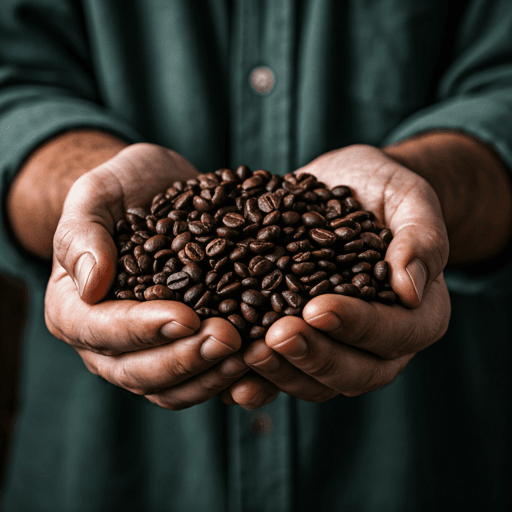
Nescafe decaf is decaffeinated instant coffee: the same soluble granules or powder you stir into hot water, just with almost all of the caffeine removed before the coffee is dried into a jar. In several European markets it is sold as Decaffeinato, which is simply the Italian word for "decaffeinated" rather than a different drink. So a tin of Nescafe Decaffeinato and a jar labelled Nescafe decaf are the same idea wearing two names.
Below is what the label means, which products sit in the range, how the caffeine is taken out, how much is actually left, and why people reach for it. For the deeper science and the full brand story, we point you to the guides that own those topics.
What Nescafe decaf (Decaffeinato) actually is
Instant coffee is real brewed coffee that has been dried into soluble granules or powder; add water and it reconstitutes into a cup. "Decaf" versions start from green (unroasted) beans that have had most of their caffeine stripped out, and are then roasted, brewed and dried exactly like the caffeinated versions. The result looks, dissolves and behaves like ordinary Nescafe — the difference is inside the bean, not in how you make the cup.
The naming trips people up. In the UK, North America, Australia and many other places the jar simply says Decaf. Across much of continental Europe the same style is branded Decaffeinato (you will also see Decafeine in French or Entkoffeiniert in German). It is a marketing and language choice, not a recipe change. Whichever word is on the label, "nescafe decaffeinato" and "nescafe decaf" mean the same thing: coffee with the caffeine mostly gone.
The Nescafe decaf range
Exact products, names and packaging shift by market and over time, so treat this as a map rather than a fixed catalog. Broadly, the decaf line-up mirrors the caffeinated one:
- Nescafe Gold Blend Decaf (sometimes just Gold Decaf) — the premium tier, usually freeze-dried for a smoother, more aromatic cup. This is the nescafe gold decaf most people picture when they want a "nicer" evening coffee.
- Nescafe Classic Decaf (Original Decaf in some markets) — the everyday, spray-dried workhorse: more affordable, a touch bolder and less refined than Gold.
- Nescafe Decaffeinato — the same category sold under the European name, spanning both everyday and gold-style tiers depending on the country.
- Occasional extras — decaf sometimes turns up inside sub-brands (micro-ground Azera-style lines, cafe-menu sachets, or regional ranges), but availability comes and goes.
If you want the whole family tree of Nescafe — Classic, Gold, Azera and beyond — see the Nescafe brand guide. For how instant decaf stacks up against other decaf options and what to weigh when buying, the wider decaf coffee buying guide covers it.
How instant decaf is made
Two steps combine: decaffeination first, then the usual instant-coffee process.
The caffeine is removed from the green beans, before roasting. The common routes are:
- Water process — beans soak so caffeine and flavors migrate into water, the caffeine is filtered out (often through activated carbon), and the flavors are returned to the beans. Nescafe describes its own decaf as water-decaffeinated.
- CO2 process — pressurized carbon dioxide acts as a solvent that grabs caffeine while largely leaving flavor compounds behind.
- Solvent process — a food-safe solvent (such as ethyl acetate, sometimes called the "sugarcane" method, or methylene chloride) selectively binds caffeine; the solvent is then washed and cooked off.
All are widely used and regulated, and brands rarely print which one a given jar uses — it can vary by product, batch or factory, so we hedge here. Once the green beans are decaffeinated, they are roasted, brewed, and finally dried: either spray-dried (brewed coffee misted into hot air, giving a fine powder) or freeze-dried (frozen, then vacuum-dried into the chunkier granules typical of Gold). For a full walk-through of decaffeination chemistry, see how decaf coffee is made; for how the granules themselves are produced, see instant coffee explained.
How much caffeine is left in decaf?
This is the key thing to get right: decaf is not caffeine-free. Decaffeination removes most of it — commonly around 97% or more under the rules in many markets — but a small residue always remains. In practice, a cup of decaf instant typically carries only a few milligrams of caffeine, versus roughly 30-90 mg in a cup of regular instant (that regular figure swings with how heaped your spoon is, the specific blend, and the cup size). Numbers vary by product and market, so read them as a ballpark, not a promise.
For most people that trace amount is trivial. If you are highly caffeine-sensitive, pregnant, or counting every milligram on medical advice, remember that "decaf" still means "a little," not "none" — and several cups will add up.
Regular vs decaf Nescafe at a glance
| Nescafe style | Rough caffeine per cup | Best time to drink |
|---|---|---|
| Regular (Classic / Gold / Azera) | ~30-90 mg (varies) | Morning and daytime lift |
| Decaf / Decaffeinato (Classic or Gold) | A few mg (not zero) | Evening, late day, wind-down |
| Half-and-half (blend your own) | Somewhere in between | Afternoon, or tapering off caffeine |
How Nescafe decaf tastes
Expect a cup that is close to the caffeinated version but usually a shade rounder and less sharp. Decaffeination and the extra handling can mute some of the bright, edgy top notes — which many drinkers actually prefer later in the day, reading it as smoother and gentler. Gold-style freeze-dried decaf tends to taste cleaner and more aromatic than the spray-dried classic tier. Adding milk, and letting the granules bloom in a splash of just-off-boil water before you top up, both soften any flatness.
Who chooses Nescafe decaf
- Evening and late-afternoon drinkers who want the ritual and warmth of coffee without it disturbing sleep.
- Caffeine-sensitive people who feel jittery, anxious or acidic on a normal cup.
- Anyone tapering down — some cut caffeine by blending decaf with regular and shifting the ratio over weeks.
- Multi-cup habits — people who love several cups a day but do not want the caffeine load of every one.
Because it is instant, it also travels well and makes a single cup with nothing but a kettle — the same convenience as any Nescafe, minus the buzz.
Making a good cup of decaf instant
Treat it like any instant coffee: start with about one to one-and-a-half teaspoons per mug and adjust to taste. A trick that lifts decaf in particular is to add a small splash of hot (not fully boiling) water first, stir to a paste so the granules dissolve smoothly, then top up — it avoids a thin, slightly stale edge. For iced decaf, dissolve in a little warm water first, then pour over ice with cold milk. Sugar, syrups and milk all behave exactly as they would with regular Nescafe.
The short version: Nescafe decaf and Nescafe Decaffeinato are the same category under different names, offered across the same Classic-to-Gold tiers as the caffeinated line, made by stripping caffeine from green beans before the usual roasting and drying. It keeps almost none of the caffeine and most of the coffee — which is exactly why it earns a spot on the shelf for the after-dinner cup.