
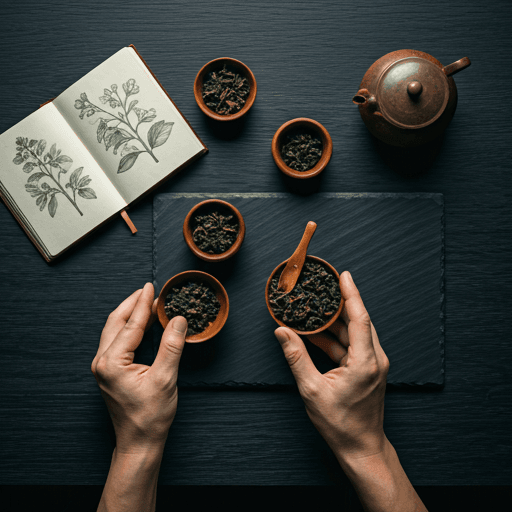
Nettle leaf tea is an earthy, grassy herbal infusion made from the dried leaves of the stinging nettle (Urtica dioica), a wild green long valued in folk tradition. People drink it today for its minerals and mild diuretic effect, though most of its reputed benefits rest on tradition and a handful of small studies rather than firm proof. If you are hoping for a caffeine-free cup with a genuinely green, spinach-like character, it delivers that reliably; treat the wellness claims with a healthy dose of caution.
What is nettle leaf tea?
Nettle leaf tea is a caffeine-free herbal infusion (a tisane) brewed from the leaves of the common stinging nettle, a hardy perennial that grows wild across temperate regions of Europe, Asia and North America. The fresh plant is famous for its sting: fine hairs on the leaves and stems carry compounds that irritate the skin on contact. The reassuring part is that this sting is destroyed as soon as the leaf is dried, blanched or steeped in hot water, so a finished cup of stinging nettle tea is completely harmless to sip.
The leaf has been used as food and folk remedy for centuries, cooked like a leafy green in soups and eaten in spring, and steeped as a tea. Nettle root is used differently and studied for different purposes, so this guide stays firmly in the leaf lane. For the wider world of caffeine-free infusions and how they differ from true tea, see our guide to what herbal tea is and the broader rundown of herbal tea types.
The benefits of nettle tea, honestly assessed
Here is the balanced version. Nettle has a long traditional reputation, and there is some laboratory and small-scale human research on nettle extracts, but robust evidence specifically for the leaf tea is thin. The most reasonable framing is that nettle tea benefits are largely traditional and plausible rather than proven, and it should never replace medical care. With that caveat, here is what people reach for it for.
Seasonal allergies and hay fever
The best-known benefit of nettle tea is easing the sneezing and congestion of hay fever. A few small studies on freeze-dried nettle preparations have suggested a modest effect on allergy symptoms, and the plant contains compounds that may interact with the body's histamine response. Even so, the evidence is limited and mixed, and results from a concentrated capsule do not automatically transfer to a mug of infusion. Many people find it soothing during allergy season; think of it as a gentle traditional support, not an antihistamine.
A gentle diuretic
Nettle has long been used as a mild diuretic, meaning it may encourage the body to pass a little more water. This is one of its oldest folk uses, and it sits alongside other traditional "cleansing" herbs such as dandelion. Human evidence remains slim, and any effect is likely to be mild. If you are on medication for blood pressure or fluid balance, this is precisely the kind of gentle action that can interact with a prescription, so it is worth a conversation with your doctor rather than self-experimenting.
Joint and urinary comfort
In traditional practice, nettle has been drunk and applied for aching joints and general muscular stiffness, and there is a little research on nettle extracts in this area, though not enough to make firm claims about the tea. It has also been used as a supportive drink for everyday urinary comfort and staying hydrated. These are traditional, comfort-oriented uses; nettle tea is not a treatment for arthritis, a urinary infection or any other condition, and anything painful or persistent needs proper medical assessment.
A source of minerals and vitamins
Nettle leaf genuinely contains useful nutrients, including iron, calcium, magnesium, and vitamins A, C and K. That nutritional profile is real and is part of why the cooked green has been a spring staple in many cuisines. The honest caveat is that the amounts that actually dissolve into a cup of infusion are modest, so nettle tea is a pleasant contributor rather than a meaningful source of any single nutrient. The vitamin K content, however, matters for safety reasons covered below.
| Traditional use | What the evidence actually shows |
|---|---|
| Seasonal allergy / hay-fever relief | Some small studies on freeze-dried nettle hint at modest symptom relief; evidence for the leaf tea is limited and mixed. |
| Gentle diuretic ("water balance") | Long folk use; any effect is likely mild and human evidence is thin. |
| Joint and muscle comfort | Some research on nettle extracts; not established for the tea, and not a treatment for arthritis. |
| Everyday urinary comfort | Traditional supportive use only; not a remedy for infections or urinary conditions. |
| Minerals (iron, calcium, vitamin K) | The leaf contains these nutrients, but the amount extracted into a cup is modest. |
How to brew nettle leaf tea
Brewing is simple and forgiving. Use roughly 1 to 2 teaspoons of dried nettle leaf per cup, or one tea bag. Heat your water to just off the boil (a full rolling boil is fine for a leaf infusion) and pour it over the leaf. Steep for 5 to 10 minutes, longer if you like it stronger and more mineral-tasting, then strain. Because it is naturally caffeine-free, you can enjoy it at any time of day, including the evening.
The flavour is distinctly green and vegetal, closer to a light spinach broth or steeped hay than to a fruity or floral tisane. It brightens beautifully with a squeeze of lemon, a few fresh mint leaves, or a little honey, and it also blends well with other herbs. If loose leaf is new to you, our guide to calming herbal blends covers the same gentle, unhurried steeping approach. For a stronger brew, add more leaf rather than over-steeping, which can turn the cup bitter.
Is nettle tea safe? Who should be careful
For most healthy adults, an occasional cup of nettle tea is generally well tolerated. Because this is a wellness drink, though, a few genuine cautions deserve attention, and none of the points below is a substitute for advice from your own doctor or pharmacist.
- Blood thinners: nettle leaf is high in vitamin K, which plays a role in blood clotting and can work against anticoagulant medicines such as warfarin. If you take a blood thinner, talk to your doctor before drinking it regularly.
- Blood pressure and blood sugar: nettle may lower blood pressure and blood sugar, so if you take medication for hypertension or diabetes, the combined effect could push levels too low. Monitor carefully and seek professional advice.
- Diuretic and other prescriptions: its mild diuretic action can add to prescription diuretics or interact with other medicines affecting fluid balance.
- Pregnancy and breastfeeding: use caution and check with a healthcare provider first; traditional use is not the same as proven safety in pregnancy.
- Allergies: people sensitive to the plant or to other members of the nettle family should introduce it cautiously.
The sensible rule for any herbal infusion is variety and moderation rather than large daily quantities of a single herb, and a quick check with a professional if you are on medication or managing a health condition. We deliberately avoid prescribing amounts or "detox" plans, because nettle tea is a drink to enjoy, not a medicine to dose.
The bottom line
Nettle leaf tea is a genuinely pleasant, caffeine-free herbal cup with real cultural history and a green, wholesome flavour that many people love. Its traditional uses, from easing hay fever to acting as a gentle diuretic and supplying trace minerals, are plausible and time-honoured, but the hard scientific evidence is still limited, so it is best enjoyed for pleasure and comfort with realistic expectations. Steep it well, brighten it with lemon or mint, keep the safety notes in mind if you take medication, and let it be one welcome option among the many caffeine-free infusions worth exploring.