
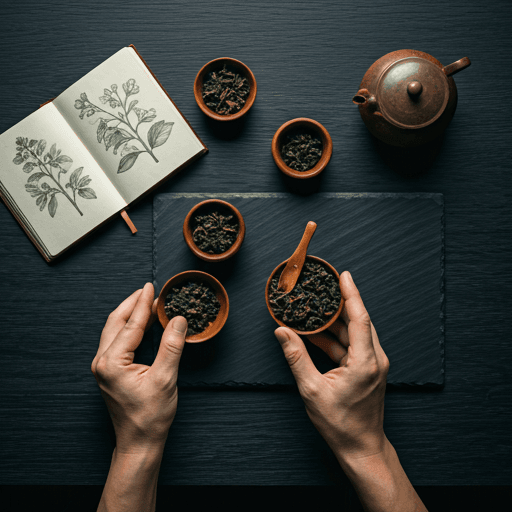
Mother's milk tea is the common name for caffeine-free herbal blends marketed to support breast-milk supply, built around traditional "galactagogue" herbs such as fenugreek, fennel and blessed thistle. "Mother's Milk" is also a well-known branded blend, which is why the phrase gets used for both a specific product and the whole category. It is worth being honest up front: the evidence that these teas meaningfully increase supply is limited and mixed, so a lactation tea is best thought of as a gentle, warm ritual rather than a guaranteed fix.
If you have landed here worried about supply, the most reassuring thing to know is that a warm cup of tea is low-stakes and comforting, while the levers that actually move milk production are frequent, effective milk removal and good support. This guide explains what goes into these teas, what the research really shows, how people tend to use them, and the safety points worth raising with a professional. None of it is medical advice.
What Is Mother's Milk Tea?
Mother's milk tea (also searched as mother milk tea, mommy milk tea or simply lactation tea) is a category of herbal infusion blended specifically for nursing parents. It contains no true tea leaf and usually no caffeine; instead it is a type of herbal tea made from a mix of seeds, leaves and roots chosen for their long history of use around breastfeeding. The herbs at the heart of these blends are called galactagogues, an old term for a food or substance traditionally believed to encourage the flow of milk.
Every brand mixes its own recipe, but the same handful of ingredients turns up again and again. Some are galactagogue herbs with a folk reputation for supply; others are "nutritive" herbs added for general nourishment or a pleasant flavor. Note that a lactation tea is a different thing from a pregnancy tea such as raspberry-leaf tea, which people use in the run-up to birth rather than for milk supply afterward.
The Common Herbs in a Lactation Tea
Most blends combine several of the herbs below. The table gives each herb's traditional role and a plain-language caution, so you can see at a glance why "natural" does not automatically mean "no need to think about it."
| Herb | Traditional role in the blend | Caution to be aware of |
|---|---|---|
| Fenugreek | The most common galactagogue, with long traditional use to encourage supply | May lower blood sugar and can cause a maple-syrup-like body odor; people with diabetes, a legume or chickpea allergy, or hormone-sensitive conditions should be cautious. See fenugreek tea for detail |
| Fennel | Traditional galactagogue also valued for soothing digestion and easing gas | Mild for most people; it contains plant compounds (anethole) with weak estrogen-like activity, so moderation is sensible. More on fennel tea |
| Blessed thistle | Often paired with fenugreek in traditional lactation blends | Large amounts can upset the stomach; usually avoided in pregnancy, and it may trigger reactions in people allergic to the ragweed and daisy family |
| Anise (aniseed) | Traditional galactagogue and digestive that adds a sweet, licorice-like note | Botanically close to fennel; keep to ordinary tea amounts and watch for allergy |
| Milk thistle | Traditionally used for liver and digestion, included as a supporting galactagogue | Ragweed and daisy-family allergy caution; may interact with some medications |
| Nettle (stinging nettle) | A mineral-rich "nutritive" herb added for general nourishment | Mildly diuretic; can affect blood pressure or blood sugar and may interact with certain medicines |
You may also see goat's rue and moringa in some blends. Whatever the recipe, the point is that each of these is an active plant with its own profile, not an inert flavoring.
What the Evidence Actually Says
Here is the balanced picture. Most of the support for galactagogue herbs comes from long traditional use and a handful of small studies rather than large, high-quality trials. Broad reviews of the research, including a Cochrane systematic review, generally conclude that there is only low-certainty evidence that these herbs reliably increase milk supply, and results are inconsistent from study to study. The Academy of Breastfeeding Medicine has similarly noted that although herbs have been used for a very long time, solid scientific evidence on their safety and effectiveness is thin.
Many parents feel that a lactation tea helps them, and that experience is real and valid. But several ordinary factors can explain it. The warm fluid and extra hydration feel good; the tea creates a calming pause in a hectic day; and people often start drinking it at the same moment they begin nursing or pumping more frequently, and it is that increased milk removal that most dependably drives supply. In short, a mother's milk tea may be a helpful nudge or a comforting habit, but it is unlikely to be doing the heavy lifting on its own. No lactation tea should be treated as a cure for low supply, and no honest label will promise a set number of extra ounces.
How Lactation Teas Are Typically Used
The teas themselves are simple to prepare. Steep one tea bag or a spoonful of the loose blend in freshly boiled water, keep the cup covered while it brews so the aromatic oils stay in the drink, then sip it warm. Product labels usually suggest a few cups spread across the day. Because this is not medical advice, and because the right amount genuinely varies from person to person and product to product, the sensible approach is to follow the specific blend's directions and check anything you are unsure about with a professional rather than piling on more cups in the hope of a bigger effect.
Whatever tea you choose, pair it with the things that genuinely support supply: feeding or pumping often and effectively, making sure the latch is comfortable, and looking after your own rest, food and fluids. The tea can be a pleasant companion to those habits, not a substitute for them.
Safety First: Cautions Worth Knowing
"Herbal" and "natural" do not automatically mean risk-free, and early parenthood is a moment where a little caution is especially worthwhile. Herbs can have real activity in the body, some compounds pass into breast milk, and a few carry specific flags:
- Fenugreek needs the most care. It can lower blood sugar, which matters if you have diabetes, and it carries allergy and hormone-sensitivity cautions, so it is worth discussing with a professional before leaning on it.
- Allergies can cross over. Blessed thistle, milk thistle and related herbs sit in the ragweed and daisy family, so anyone with those allergies should be watchful.
- Watch your baby, not just yourself. If your little one becomes unusually fussy, gassy or unsettled after you start a new blend, that is a reason to pause and get advice.
- Mind interactions and conditions. Several of these herbs can nudge blood sugar or blood pressure or interact with medications, so they deserve a mention to your doctor if you have an ongoing condition or take regular medicines.
- Do not stack strong products. A gentle tea, a high-dose supplement and a tincture of the same herb are not the same dose, and lactation supplements are not tightly standardized. More is not automatically better or safer.
When to Talk to a Doctor, Midwife or IBCLC
Low supply has many possible causes, and a tea can neither diagnose nor fix most of them. Latch and positioning, how often and how well milk is removed, certain medications, thyroid and hormonal issues, retained placenta after birth, and naturally lower glandular tissue can all play a part. Because the causes are so varied, the highest-value step when you are worried is to talk with a qualified professional: your doctor or midwife, and especially an IBCLC (International Board Certified Lactation Consultant), who can watch a feed, check the latch, weigh the baby's gains and give guidance tailored to you. They can also tell you whether a particular herb is a sensible fit alongside your health history.
Reaching out early is not an overreaction. Getting the mechanics of feeding right, and getting reassurance, tends to do far more for both supply and peace of mind than any single ingredient in a cup.
The Bottom Line
A lactation tea can be a warm, comforting part of the early days, and for most people there is little harm in enjoying one that agrees with them. Just hold realistic expectations: the tea is the ritual, not the remedy. Let frequent, effective feeding do the real work, keep an eye on the safety notes above, lean on a lactation consultant or your care team when something feels off, and treat that steaming mug as one small, soothing comfort among many rather than a switch that turns supply up.