
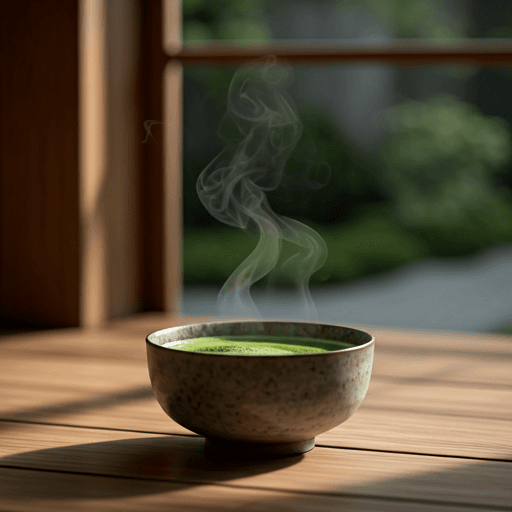
Fenugreek tea is a caffeine-free herbal infusion made by steeping the small, golden seeds of fenugreek (Trigonella foenum-graecum), a legume grown across the Mediterranean, the Middle East and South Asia. It has a distinctive bittersweet, nutty flavor with a warm, maple-syrup-like aroma, and in traditional use it is best known as a galactagogue, a drink reached for to support breast-milk supply, alongside long-standing uses for digestion and blood sugar. This guide explains what fenugreek tea is, how to brew it, the benefits people associate with it, and the safety points that genuinely matter. None of it is medical advice, and anyone with a health condition or on medication should check with a healthcare professional first.
What is fenugreek tea?
Fenugreek tea, often called methi tea after the Hindi name for the plant, is a tisane rather than a true tea. It contains no Camellia sinensis leaf, so there is no caffeine. The drink is made from the hard, amber-colored fenugreek seeds, which are the same seeds that flavor curry powders and give some imitation maple syrups their scent. Because the seeds are dense, fenugreek seed tea is usually soaked or simmered rather than just splashed with hot water.
The maple note is not your imagination. Fenugreek seeds are rich in a compound called sotolone, the same aromatic molecule that gives maple syrup its character. That is why brewed fenugreek smells sweet and toasty even though it tastes savory and slightly bitter. If you are new to herbal infusions in general, our overview of what herbal tea is is a useful starting point, since fenugreek belongs to the broad family of seed-and-root tisanes rather than to leaf teas.
Fenugreek tea benefits and traditional uses
Most of the interest in fenugreek tea benefits comes from centuries of traditional use plus a growing but still mixed body of research. The honest summary is that fenugreek is promising in a few areas and far from proven in others. Here is how the main traditional uses stack up.
Supporting breast-milk supply
Fenugreek is the most famous traditional galactagogue, meaning a food or herb used to encourage milk production in nursing parents. It is the use most people associate with the seed. The evidence is genuinely mixed: some small studies and a great deal of personal experience suggest a benefit, while larger reviews of fenugreek capsules have found little to no measurable increase in milk volume. If you are nursing and considering it, treat fenugreek as something to discuss with a lactation consultant or doctor, not a guaranteed fix.
Digestion and appetite
Fenugreek seeds are high in soluble fiber, which is part of why the tea is traditionally taken after meals to ease bloating and settle the stomach. The same fiber is why it is also used traditionally to support appetite and regularity. These are gentle, food-level effects rather than dramatic ones. Ginger is used in a similar settling role, and our guide to ginger tea benefits and how to make it covers another seed-and-root infusion people lean on for digestion.
Blood sugar
Of all the claims, blood sugar has the most research behind it. Fenugreek seeds have been studied for their ability to help moderate blood-glucose levels, and several trials suggest they may help lower it, likely thanks to the soluble fiber slowing the absorption of carbohydrates. The studies are often small or modest in quality, so this is best framed as may help rather than proven. Importantly, this same effect is also a caution, covered below.
Menstrual and general comfort
Fenugreek has a long folk history for easing menstrual discomfort and as a general warming tonic. The evidence here is thin and largely traditional, so enjoy the tea for its comfort and flavor rather than as a treatment. People who like functional herbal teas for everyday wellbeing often rotate fenugreek alongside other options; our roundup of the best anti-inflammatory teas puts it in context with herbs studied for similar gentle, supportive roles.
What fenugreek tea tastes like
Expect a cup that smells sweeter than it tastes. The aroma is maple and toast; the flavor is nutty, earthy and distinctly bitter, with a savory, almost curry-like edge. That bitterness is why fenugreek seed tea is rarely drunk plain. Lightly toasting the seeds in a dry pan before brewing rounds off the sharpness, and most people balance the cup with honey, a squeeze of lemon, or a few slices of fresh ginger. A cinnamon stick added to the simmer is another common pairing that softens the bitter notes.
How to make fenugreek tea
The key to good fenugreek tea is hydrating the hard seeds so they release their flavor and soluble fiber. Here is a reliable method for how to make fenugreek tea at home.
- Measure. Use about 1 teaspoon of whole fenugreek seeds per cup (roughly 8 to 10 oz / 240 to 300 ml of water).
- Soak (recommended). Soak the seeds in cool water for a few hours or overnight. This softens them, deepens the flavor, and makes the brew easier on the stomach. If you are in a hurry, you can skip the soak and simmer a little longer instead.
- Crush or toast (optional). Lightly crushing the soaked seeds, or dry-toasting them first, brings out more aroma and tames the bitterness.
- Simmer or steep. Add the seeds to fresh water and simmer gently for 5 to 10 minutes, or steep crushed seeds in just-off-the-boil water, covered, for the same time. Longer means stronger and more bitter.
- Strain and flavor. Strain out the seeds, then balance the cup with honey, lemon, ginger or cinnamon to taste.
Many people stick to one cup a day and see how they feel before drinking more, since fenugreek is potent and the soluble fiber can be a lot for some stomachs at higher amounts.
Safety, cautions and who should be careful
Fenugreek is a food first, so culinary amounts are widely considered safe for most healthy adults. The cautions become important when the tea is used regularly or in stronger, supplement-like amounts. Keep these in mind, and treat them as general information rather than a diagnosis.
| Use or effect | What it means | Caution to know |
|---|---|---|
| May lower blood sugar | Soluble fiber can slow carbohydrate absorption | If you take diabetes medication, fenugreek may add to its effect; monitor levels and talk to your doctor. |
| Pregnancy | Traditionally linked to milk supply after birth, not before | Fenugreek is traditionally avoided during pregnancy because it may stimulate the uterus; avoid medicinal amounts unless a professional advises otherwise. |
| Breastfeeding | Popular traditional galactagogue | Evidence is mixed; discuss with a lactation consultant or doctor rather than self-dosing. |
| Maple-syrup body odor | Sotolone passes through the body unchanged | Sweat and urine can take on a sweet, maple scent. It is harmless and cosmetic, but can be strong enough to notice. |
| Digestive upset | High soluble-fiber load | Large amounts can cause gas, loose stools or stomach discomfort; start small. |
| Legume and peanut allergy | Fenugreek is a legume | It can cross-react with peanut and other legumes (chickpea, lentil); avoid it if you have a related allergy. |
One more practical note: because fenugreek may affect blood sugar and may influence bleeding, it is sensible to pause it before surgery and to keep your doctor informed if you take blood-thinning or diabetes medication. The tea is a gentler form than concentrated capsules or extracts, but the same precautions apply.
Fenugreek tea vs other functional herbal teas
Fenugreek is easy to confuse with its batch-mate fennel, but they are different plants with different jobs. Fennel is sweet and licorice-like and leans digestive; fenugreek is maple-and-bitter and leans toward lactation and blood sugar. The table below places fenugreek among a few popular herbal infusions.
| Tea | Plant part | Flavor | Most associated with |
|---|---|---|---|
| Fenugreek (methi) | Seeds (legume) | Maple aroma, nutty, bitter | Milk supply, blood sugar, digestion |
| Fennel | Seeds | Sweet, anise/licorice | Bloating and digestion |
| Ginger | Root | Spicy, warming | Nausea and digestion |
| Ashwagandha | Root | Earthy, bitter | Stress and adaptogenic support |
If you like the seed-tea category, fenugreek and fennel make a natural pair to compare side by side. Our guide to fennel tea benefits covers the sweeter, digestion-led cousin, so you can pick the one that fits the flavor and use you are after, or keep both in the cupboard.
The takeaway on fenugreek tea
Fenugreek tea is a characterful, caffeine-free infusion with a maple nose and a savory bite, valued in traditional kitchens for supporting milk supply, easing digestion, and possibly nudging blood sugar. Treat the benefits as may-help rather than guaranteed, respect the pregnancy, blood-sugar and allergy cautions, and balance the bitterness with something sweet or citrusy. Brew it with curiosity, keep your portions modest, and loop in a professional if you are nursing, managing diabetes, or taking medication. From there, fenugreek slots neatly into a wider rotation of herbal teas worth exploring one cup at a time.