
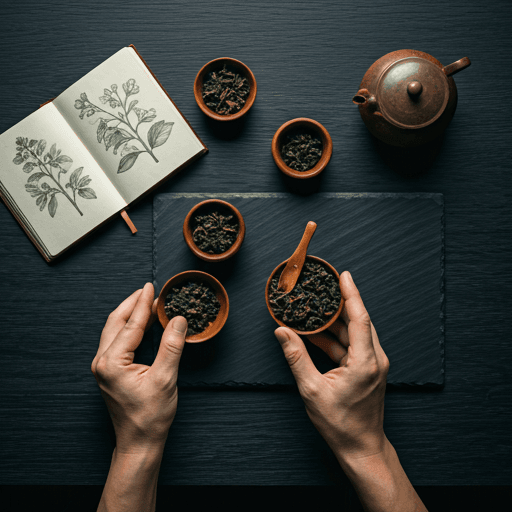
Raspberry leaf tea is a caffeine-free herbal infusion made from the dried leaves of the red raspberry plant, Rubus idaeus — not from the fruit. It has a long history as a so-called "women's herb," traditionally sipped for menstrual comfort and, classically, in the late weeks of pregnancy. The honest summary up front: the leaf is nutrient-rich and gentle, but the scientific evidence behind its headline benefits is mixed and limited, and anyone who is pregnant, breastfeeding, on medication, or managing a health condition should talk to a doctor or midwife before drinking it. This is general information, not medical advice.
What raspberry leaf tea actually is
The drink comes from the leaves of the same plant that gives us raspberries, but it tastes nothing like the berry. There is no fruity sweetness and no jammy aroma. Instead, a good cup is mild, grassy, and gently astringent — closer in character to a light black tea than to a sweet fruit infusion, but with no caffeine. That black-tea-like quality comes from tannins in the leaf, which give a faint, pleasant drying sensation on the tongue.
You will often see it sold as "red raspberry leaf tea." The "red" simply refers to the red raspberry plant; it is the same thing as plain raspberry leaf tea. Because it is an herbal infusion rather than true tea from Camellia sinensis, it is naturally caffeine-free, which makes it an easy choice for evenings or for anyone cutting back on stimulants.
What is in the leaf
Raspberry leaf is more than flavor. It contains a range of naturally occurring compounds, including:
- Tannins — responsible for the mild astringency and the light black-tea-like profile.
- Flavonoids and other antioxidants — including quercetin and kaempferol, plant compounds studied for general antioxidant activity.
- Minerals — the leaf supplies small amounts of iron, calcium, magnesium, and manganese.
- Fragarine — a compound associated with Rubus species that traditional herbalists have linked to the leaf's effect on the uterus, though this is far from proven in robust human trials.
A cup of brewed tea delivers far less of any of these than a supplement or extract would, so think of raspberry leaf tea as a gentle, pleasant drink rather than a concentrated remedy.
Raspberry leaf tea benefits: what tradition claims and what evidence shows
Almost every list of benefits of raspberry leaf tea traces back to centuries of folk and midwifery use rather than to large clinical trials. It is worth separating the two clearly, and framing everything as "traditionally used for" or "may" rather than "proven to."
Menstrual and "women's herb" comfort
Raspberry leaf earned its "women's herb" nickname from generations of use for menstrual cramps and general period discomfort. The traditional reasoning is that compounds in the leaf may have a mild effect on the muscles of the uterus, and the European Medicines Agency lists it among herbal preparations traditionally used to relieve minor menstrual cramps. Even so, high-quality modern studies focused on period symptoms are scarce, so the support here rests largely on long use rather than firm trial data. Many people simply find a warm, caffeine-free cup soothing during their cycle — which has value of its own, even where the pharmacology is unproven.
Late-pregnancy and labor preparation
The most famous traditional use is in the final weeks of pregnancy, where the leaf has long been taken to "tone" the uterus in preparation for labor. This is also where the evidence has been studied most — and where it remains genuinely uncertain. A well-known double-blind randomized controlled trial of first-time mothers (taking raspberry leaf from around 32 weeks) found no statistically significant differences from placebo across the main outcomes it measured, with only a small hint of a shorter second stage of labor. Other and observational studies have similarly suggested modest effects at most, and reviews of the literature have concluded there is insufficient evidence to make firm claims. In short: it is widely used, it has not been shown to be clearly effective, and it has not been proven harmful in typical amounts. That uncertainty is exactly why a midwife's input matters.
Antioxidants and everyday nutrition
Like many leafy plant infusions, raspberry leaf supplies antioxidants and trace minerals, and it may contribute in a small way to overall fluid and nutrient intake. These are "may" benefits, not a reason to treat the tea as a supplement. Drink it because you enjoy a mild, caffeine-free cup — any nutritional contribution is a modest bonus.
Who should be cautious — and who must ask a doctor first
This is the most safety-sensitive part of the topic, so treat it seriously. Because of its traditional link to the uterus, raspberry leaf is not a casual "more is better" drink for everyone.
- If you are pregnant or breastfeeding, talk to your doctor or midwife before drinking raspberry leaf tea. Traditionally it is reserved for the later weeks of pregnancy (often from around 32 weeks) rather than early on, and your care provider should guide whether, when, and how much is appropriate for you.
- If you take any medication or manage a health condition, check with a healthcare professional first. For example, there is a case report of someone with gestational diabetes experiencing low blood sugar, which raises a sensible caution for anyone using insulin or other glucose-lowering medicines.
- Start small. In larger amounts the tea can have a mild laxative or diuretic effect and may cause digestive upset such as nausea or loose stools in some people. One cup is a gentle way to see how you respond.
None of this is a reason to fear an ordinary cup of tea — it is a reason to be informed. The simple rule: when in doubt, and especially around pregnancy or medication, ask a professional before you brew.
How to brew raspberry leaf tea
Raspberry leaf is forgiving and brews much like any sturdy herbal infusion. Because the flavor is mild, it benefits from a longer steep than a quick black tea.
What you need
- 1 to 2 teaspoons of dried loose raspberry leaf, or 1 tea bag
- About 1 cup (roughly 240 ml / 8 oz) of fresh water, just off the boil
- A lid or saucer to cover the cup, plus a strainer if you use loose leaf
- Optional: honey, a slice of lemon, or a little mint to lift the flavor
Steps
- Boil fresh water and let it settle for a moment off a rolling boil.
- Add the loose leaf or tea bag to your cup or a teapot.
- Pour the hot water over the leaf.
- Cover the cup and steep for 10 to 15 minutes — longer than ordinary tea — to draw out flavor and the leaf's compounds. Covering keeps the heat and aromatics in.
- Strain out the loose leaf (or remove the bag) and drink it warm. It is also pleasant chilled over ice.
If the astringency feels too drying, shorten the steep slightly or add a touch of honey or lemon. Many people who drink it for comfort enjoy a cup or two across the day; if you are using it during pregnancy, follow your midwife's guidance on amount rather than a generic figure. For technique that carries over to any whole-leaf herbal blend, see our how to brew loose leaf tea guide.
How it compares to other gentle herbal teas
| Tea | Caffeine | Flavor | Traditionally sipped for |
|---|---|---|---|
| Raspberry leaf | None | Mild, grassy, gently astringent | Menstrual comfort; late-pregnancy use (with guidance) |
| Chamomile | None | Soft, floral, apple-like | Relaxation and winding down |
| Ginger | None | Warming, spicy | Settling the stomach |
| Hibiscus | None | Tart, cranberry-like | A bright, refreshing cup |
Raspberry leaf sits comfortably in this caffeine-free family. If you want to keep exploring, our guides to chamomile tea benefits and hibiscus tea benefits cover two popular neighbors, each with its own flavor and traditional uses.
The bottom line
Raspberry leaf tea is a mild, caffeine-free infusion with a long heritage as a "women's herb." Treat the traditional benefits as exactly that — traditional and largely unproven by strong studies — and enjoy the cup for what it reliably is: a gentle, warming, low-key drink. The one rule worth repeating is the safety one: if you are pregnant, breastfeeding, on medication, or managing a condition, speak with a doctor or midwife before making it part of your routine. From there, keep exploring the wider world of herbal infusions and find the cups you genuinely look forward to.