
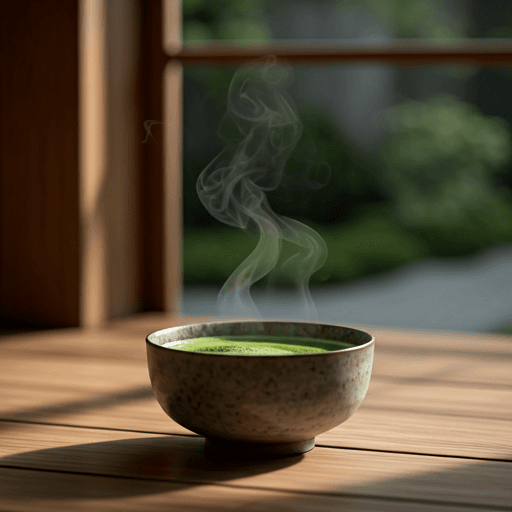
Moringa tea is a caffeine-free herbal infusion made from the dried leaves of Moringa oleifera, a fast-growing tropical plant widely known as the "drumstick tree." The leaves are unusually nutrient-dense, and steeped in hot water they give an earthy, green, faintly grassy cup that sits somewhere between a light green tea and steamed leafy greens. Below is a balanced look at moringa tea benefits, its taste, how to brew it and who should be careful.
Because moringa is an herbal (not Camellia sinensis) tea, it is naturally free of the tea plant's caffeine. If you are new to the wider world of caffeine-free botanical brews, our guide to herbal tea covers the basics this article builds on.
What moringa tea is and how it tastes
Moringa (Moringa oleifera) is a hardy tree native to South Asia and now grown across Africa, Southeast Asia, and Central and South America, among other warm regions. Nearly every part of the plant is used somewhere in the world, but moringa leaf tea — sometimes sold as moringa leaf tea or "drumstick tree tea" — is made specifically from the dried, powdered or whole leaves, not the roots, bark or seed pods. That distinction matters for safety, and we return to it below.
The name "drumstick tree" comes from the plant's long, slender seed pods, which are a popular vegetable in many cuisines. The leaves, meanwhile, are the part dried for tea. You will find moringa sold as loose dried leaf, in tea bags, and as a fine bright-green powder that stirs into water or milk.
Taste and aroma
Expect an earthy, vegetal cup with a slightly grassy, spinach-like edge and a mild green-tea bitterness on the finish. It is more savory than floral. Lighter brews taste clean and grassy; longer steeps turn deeper, greener and more astringent. The powder tends to taste stronger and more "green" than a short leaf infusion. Many people soften moringa with lemon, a little honey, ginger or mint, or blend it into a smoothie or latte where its grassy note fades into the background.
Possible moringa tea benefits
Moringa leaves are genuinely nutrient-dense — that part is well established — but most specific health claims rest on early, limited or animal research, so it is worth staying measured. Here is what the evidence reasonably supports, and where it does not.
Rich in vitamins, minerals and plant compounds
Dried moringa leaf is a notable source of vitamins (such as vitamin A precursors and vitamin C), minerals (including calcium, potassium, iron and magnesium) and plant protein, along with antioxidant compounds like flavonoids and polyphenols. Exact nutrient content varies a great deal by growing conditions, harvest, drying and how the leaf is processed, so figures on labels are best read as approximate. A cup of tea also delivers far less than eating the leaf, because you are drinking a dilute infusion rather than the whole plant.
Antioxidants and inflammation
Moringa is traditionally valued as a general tonic, and its antioxidant compounds are the usual reason people reach for it. Antioxidants help counter oxidative stress, and some early studies suggest moringa extracts may have anti-inflammatory activity — but much of that work is in test tubes or animals, and human evidence is still limited. If your main goal is calming everyday inflammation through drinks, it is worth comparing several options; our roundup of anti-inflammatory teas puts moringa in context alongside better-studied choices, and green tea's antioxidant story is a useful benchmark.
Energy, blood sugar and everyday wellness
People often drink moringa for a gentle, caffeine-free sense of energy — likely from its nutrient content and ritual rather than any stimulant. Some small studies have looked at moringa and blood-sugar or cholesterol markers with mixed, preliminary results; none of this makes it a treatment, and it should never replace medical care or prescribed medicine. Think of moringa tea as a nourishing everyday drink that may complement a good diet, not a remedy. If you are interested in botanicals framed around energy and stress, an adaptogen like ashwagandha tea is a different plant with its own (also hedged) evidence base.
Moringa tea benefits and caveats at a glance
| Possible benefit | What it means | Keep in mind |
|---|---|---|
| Nutrient-dense leaf | Source of vitamins A and C, calcium, potassium, iron and antioxidants | Content varies by source; a cup of tea is dilute versus eating the leaf |
| Caffeine-free | Won't disrupt sleep; fine in the evening | Not a stimulant — any "energy" is subtle |
| Antioxidant compounds | May help counter oxidative stress | Human evidence limited; not a disease treatment |
| Traditional anti-inflammatory use | Long folk history plus some early lab support | Mostly test-tube and animal data so far |
| Blood-sugar interest | Some small studies on glucose markers | Preliminary and mixed; may interact with diabetes medicine |
| Gentle and versatile | Earthy base for lemon, honey, smoothies or lattes | Start small if you are new to it |
How to brew moringa tea
Moringa tea is forgiving. You can brew it from dried loose leaf, tea bags or powder, hot or iced. Because it has no caffeine, over-steeping mostly affects flavor rather than strength.
From dried leaves or tea bags
- Heat fresh water to a gentle boil, then let it settle for a moment (around 90-95°C / 195-205°F is plenty).
- Use roughly 1 teaspoon of dried moringa leaf, or one tea bag, per cup (about 200-250 ml).
- Steep 3 to 5 minutes — shorter for a lighter, grassier cup; longer for a deeper, more astringent one.
- Strain and taste. Add lemon, honey, ginger or mint if you like; lemon in particular brightens the earthy note.
From moringa powder
- Whisk about 1/2 teaspoon of moringa powder into a little warm water or milk to make a smooth paste.
- Top up with hot water or steamed milk and stir well; the powder stays suspended rather than fully dissolving.
- Sweeten lightly if desired. Powder makes a stronger, greener drink than leaf, so use less than you think.
Iced moringa tea
Brew it double-strength, cool it, then pour over ice with lemon and a touch of honey. Or blend a spoonful of powder with cold water, ice and a little fruit for a green cooler.
Whichever method you use, start with a weaker brew and adjust upward. Moringa's flavor builds quickly, and a lighter cup is the easiest way to learn whether you enjoy it.
Who should be cautious
Moringa leaf is widely eaten as a food and is generally well tolerated as a tea for most healthy adults. Even so, "natural" does not mean risk-free, and a few groups should take extra care.
- Pregnancy and breastfeeding. This is the important one. Moringa root, bark and flowers contain compounds that are traditionally avoided in pregnancy and may stimulate uterine contractions — and they are not the same as the leaf. Leaf tea is often considered gentler, but evidence in pregnancy and breastfeeding is limited, so check with a doctor, midwife or lactation consultant before drinking it.
- Medication interactions. Moringa may affect blood sugar, blood pressure and thyroid activity, and it could interact with medicines for those conditions or with drugs processed by the liver. If you take regular medication, ask your doctor or pharmacist first.
- Existing conditions. If you manage diabetes, low blood pressure or a thyroid condition, or are scheduled for surgery, treat moringa as something to clear with your clinician rather than self-prescribe.
- Start small. Whatever your situation, begin with a weak cup and see how you feel. Large amounts can be mildly laxative or upset some stomachs.
None of this is medical advice, and moringa tea is not a cure or treatment for any condition. Enjoy it as a pleasant, nutrient-rich drink, and let a qualified professional guide anything health-related.
The bottom line
Moringa tea is an easy, caffeine-free way to enjoy a nutrient-dense leaf with a distinctive earthy, grassy character. Its genuine strengths are nutrition and versatility; the health headlines are promising but still early, so keep expectations grounded. Brew it lightly, dress it with lemon or honey, respect the pregnancy and medication cautions, and it earns a comfortable spot in a varied, curious tea rotation.