
Knowledge Base
Coffee & Tea Guides
Brew better and explore more — buying guides, how-tos, and explainers for every coffee and tea ritual.
Explainer
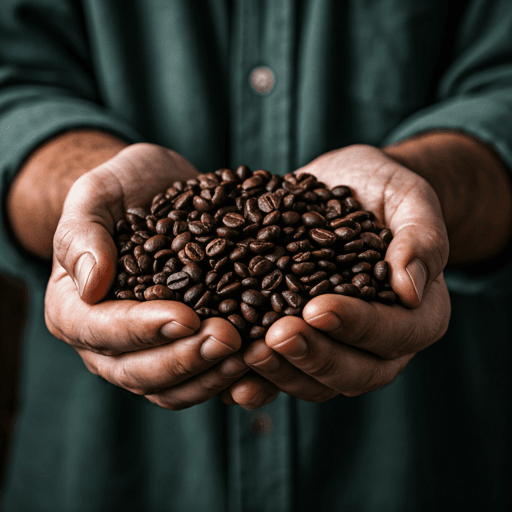
Vietnamese Coffee Beans, Explained: Robusta and Regions
Vietnamese coffee beans are mostly bold, chocolatey Robusta from the Central Highlands. Here is why Robusta dominates, where the beans grow, how they are roasted, and how to grind and brew them at home.
Explainer
Vegan and Vegetarian Cafes, Explained
A vegan cafe serves only plant-based food and drinks — no meat, dairy, eggs or honey — while a vegetarian cafe skips meat but may keep dairy and eggs. Here is how they differ, what is on the menu, and how baristas foam plant milks.
Explainer
Valerian Root Tea, Explained
Valerian root tea is a caffeine-free bedtime infusion made from the root of Valeriana officinalis. Here is what it is, how to brew it, what the sleep evidence actually shows, and the cautions worth knowing before you make it a nightly habit.
Explainer
The Unicorn Frappuccino, Explained
Starbucks' Unicorn Frappuccino was a color- and flavor-changing crème blend sold for about a week in April 2017. Here's what it was, why it went viral, and what it actually tasted like.
Explainer
Ume Plum Tea, Explained
Ume plum tea covers two very different cups: a salty-sour umeboshi tea from Japan and a sweet ume-syrup drink called maesil cha from Korea. Here's what ume is, how each style is made, and what to expect in the glass.
Explainer
Types of Green Tea: A Variety Guide
Green tea splits into two great families — steamed Japanese greens like sencha and gyokuro, and pan-fired Chinese greens like Dragon Well and gunpowder. Here is how each type is made, how it tastes and how to brew it.
Explainer
Twinings Tea, Explained: The Brand and Its Range
Twinings of London has sold tea since 1706. Here is the brand story and a tour of its black, green, herbal and Superblends range, plus how to choose.
Explainer
Twinings Earl Grey Tea, Explained
Twinings Earl Grey is the London tea house's flagship bergamot-scented black tea. Here's what it is, the classic, strong, decaf and Lady Grey versions, how it tastes, how to brew it, and its caffeine level.
Explainer
Turkish Tea (Cay), Explained
Turkish tea, or cay, is strong black tea brewed in a stacked caydanlik and served in small tulip glasses without milk. Here's what it is, where it comes from, how it's brewed, and why the glass is never empty for long.
Explainer
Tim Hortons Timbits and Donuts, Explained
Timbits are Tim Hortons' bite-sized donut holes, launched in 1976 and sold in mixed boxes. A guide to the classic Tim Hortons donut flavours, from Boston cream to the Dutchie, and the Canadian coffee-and-donut ritual behind them.
Explainer
Tim Hortons Original Blend Coffee, Explained
Tim Hortons Original Blend is the Canadian chain's flagship 100% Arabica, medium-roast house coffee — smooth, balanced and behind the classic double-double. Here's what it is, how it tastes, and the ground, whole-bean and pod formats you can brew at home.
Explainer
The Tim Hortons Iced Capp, Explained
The Iced Capp is Tim Hortons' signature frozen coffee: a sweet, slushy blended drink, not a real cappuccino. Here's what goes into it, how to customise it, and how to blend a close version at home.
Explainer
Tie Guan Yin: The "Iron Goddess" Oolong, Explained
Tie Guan Yin, the "Iron Goddess of Mercy," is one of China's most famous oolongs — a floral Anxi tea that comes in a fresh jade style and a toasty roasted one. Here's what it is, how it tastes, and how to brew it for many steeps.
Explainer
Thyme Tea, Explained: Uses, Taste, and Cautions
A plain-English guide to thyme tea: what it is, how to make it from fresh or dried thyme, how it tastes, and the comforting uses and sensible cautions behind this caffeine-free herbal cup.
Explainer
Throat Coat Tea, Explained
Throat Coat is a caffeine-free herbal tea built around demulcent herbs — slippery elm, marshmallow root and licorice — that coat and soothe a dry, scratchy throat. Here is what it is, how people use it, and the licorice caution to know.
Explainer
Themed Cafe Concepts, Explained
From cat and kitty cafes to greenhouse, book, fandom, and board-game spots, here is what a themed cafe actually is, the main concept families, and what to expect when you visit one.
Explainer
Tea Pets: The Little Clay Companions of Gongfu Tea
A tea pet is a small unglazed clay figure that lives on a gongfu tray and is "fed" with leftover tea, slowly darkening into a glossy, personal good-luck companion over years of use.
Explainer
What Is a Tea Cozy? The Teapot's Warm Coat
A tea cozy is a padded, insulating cover that slips over a brewing teapot to keep the tea hot for longer. Here is how it works, the styles worth knowing, and how to choose one that fits your pot.
Explainer
Tea Ceremonies and Traditions Around the World
Almost every tea-drinking culture has its own ceremony. A global tour of tea traditions and rituals — Japanese chanoyu, Chinese gongfu cha, British afternoon tea, Moroccan mint tea, Russian samovar service, and more.
Explainer
Tazo Tea, Explained: The Brand, Blends, and Chai
Tazo is a flavor-forward American tea brand founded in Portland in 1994 and famous for its Chai. Here's the brand story, the signature blends, the formats including the 1:1 chai concentrate, and who each style suits.
Explainer
Taro Milk Tea: What Taro Tastes Like and Why It's Purple
Taro milk tea is a creamy, nutty-sweet bubble tea made from taro root. Here's what taro tastes like, why the drink is purple, and the two very different ways it's made.
Explainer
Swiss Water Process Decaf: How Chemical-Free Decaf Works
Swiss Water decaf coffee strips caffeine using only water and carbon filters — no chemical solvents. Here's how the certified 99.9% caffeine-free process works, why roasters love it, and how it stacks up against the solvent and CO2 methods.
Explainer
Sweet Tea Explained: The Southern Classic
Sweet tea is strong black iced tea sweetened while it is still hot — the house wine of the American South. Here is what it is, sweet vs unsweet, the culture behind it, and bottled brands like Gold Peak.
Explainer
Sugar-Free Coffee Syrups: Sweeteners, Flavours and Easy DIY
A sugar-free coffee syrup delivers vanilla, caramel or hazelnut flavour with little or no sugar, sweetened instead with sucralose, stevia, monk fruit or erythritol. Here is how the sweeteners taste, how sugar-free syrups differ from regular ones, and how to make your own.